
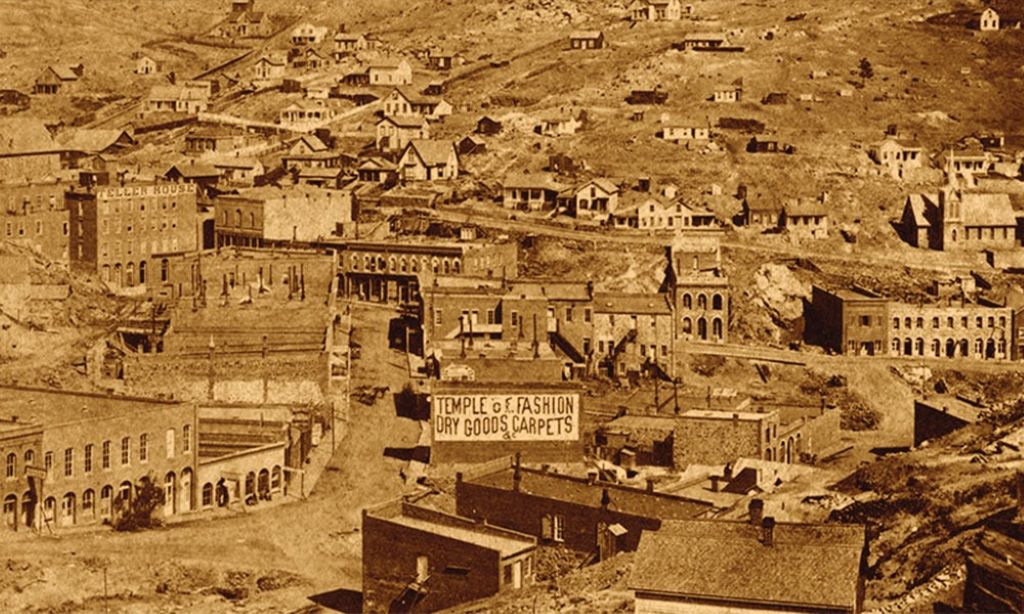
Colorado, with its majestic mountain vistas, thriving cities, and outdoor lifestyle, has become a beacon for those seeking a slice of the American dream. But is Colorado a Rocky Mountain Real Estate Goldmine or just a place to settle down? The answer, like the state itself, is multifaceted and depends heavily on individual goals and circumstances. Let’s delve deep into the Colorado real estate landscape, examining its strengths, weaknesses, and the factors that make it a unique and often challenging market.
The Allure of the Centennial State: A Magnet for Growth
Colorado’s appeal is undeniable. Its booming economy, driven by sectors like technology, aerospace, and renewable energy, has attracted a wave of new residents. This influx has fueled demand for housing, consistently pushing property values upwards in many areas. The state’s renowned outdoor recreation opportunities, from world-class skiing to hiking and biking trails, further enhance its desirability. This combination of economic opportunity and lifestyle appeal has created a competitive real estate market, particularly in popular urban centers and mountain towns.
Urban Hubs: Denver and Beyond – A Tale of Two Realities
Denver, the state’s capital and largest city, serves as the economic engine. Its vibrant downtown, diverse neighborhoods, and burgeoning cultural scene have made it a magnet for young professionals and families. However, this popularity has come at a cost. The city’s real estate market is notoriously competitive, with high prices and limited inventory. The rapid growth has also led to concerns about affordability and urban sprawl.
Beyond Denver, cities like Colorado Springs, Fort Collins, and Boulder offer unique advantages. Colorado Springs, known for its military presence and outdoor access, presents a more affordable alternative to Denver. Fort Collins, home to Colorado State University, boasts a lively college-town atmosphere and a strong tech sector. Boulder, nestled in the foothills of the Rocky Mountains, is renowned for its progressive culture, outdoor lifestyle, and high quality of life, but also carries a premium price tag. Each urban area presents its own set of opportunities and challenges for real estate investors and homebuyers.
The Mountain Towns: A Blend of Luxury and Scarcity
Colorado’s mountain towns, such as Aspen, Vail, Breckenridge, and Telluride, represent a different segment of the real estate market. These areas are renowned for their world-class ski resorts, stunning scenery, and luxury properties. However, they are also characterized by high prices, limited inventory, and seasonal fluctuations. The demand for second homes and vacation rentals in these areas has driven prices to astronomical levels, making them inaccessible to many.
Investing in mountain town real estate can be lucrative, especially for those targeting the luxury market or short-term rentals. However, it requires a significant financial commitment and a deep understanding of the local market dynamics. Factors like ski season traffic, tourism trends, and local regulations can significantly impact property values and rental income.
Affordability: The Elephant in the Room
One of the biggest challenges facing Colorado’s real estate market is affordability. The state’s rapid growth and limited housing supply have pushed prices beyond the reach of many residents, particularly first-time homebuyers and those in lower-income brackets. This affordability crisis is particularly acute in urban centers and mountain towns, where demand is highest.
While some areas offer more affordable options, they often come with longer commutes or fewer amenities. The rising cost of living, including housing, transportation, and utilities, has become a major concern for many Coloradans. This issue is not just a problem for individuals; it also impacts the state’s economy and social fabric.
Investment Potential: Opportunities and Risks
Colorado’s real estate market presents a range of investment opportunities, from single-family homes and condos to multi-family properties and commercial real estate. The state’s strong economy, growing population, and tourism industry create a favorable environment for investors. However, it’s crucial to conduct thorough research and due diligence before making any investment decisions.
Factors to consider include:
- Location: Identifying areas with strong growth potential and high demand.
- Property type: Choosing properties that align with your investment goals and risk tolerance.
- Market trends: Staying informed about current market conditions and future projections.
- Local regulations: Understanding zoning laws, building codes, and rental restrictions.
- Financial analysis: Evaluating potential returns, expenses, and risks.
Short-term rental investments can be lucrative in tourist-heavy areas, but local regulations and seasonal demand fluctuations need to be carefully considered. Long-term rentals offer more stable income, but vacancy rates and tenant issues must be managed.
Climate Change and Its Impact on Colorado Real Estate
Colorado, like many other regions, is experiencing the effects of climate change. Wildfires, droughts, and extreme weather events are becoming more frequent and intense. These factors can significantly impact property values and insurance costs.
Homebuyers and investors should consider the risks associated with climate change when making real estate decisions. Properties located in wildfire-prone areas or those susceptible to flooding may face higher insurance premiums or difficulty obtaining coverage. Water availability and drought conditions can also affect property values and development potential.
The Future of Colorado Real Estate: Navigating Uncertainty
The future of Colorado’s real estate market is uncertain, but several trends are likely to shape its trajectory. The state’s population growth is expected to continue, albeit at a slower pace. The demand for housing will remain strong, but affordability concerns will likely persist.
Technology and remote work are transforming the way people live and work, impacting housing preferences and location choices. The increasing popularity of remote work may lead to a shift in demand from urban centers to more rural areas. Sustainable development and energy efficiency will become increasingly important factors in real estate development.
Is Colorado a Good State for Real Estate? The Verdict
Colorado offers a unique blend of opportunities and challenges for real estate investors and homebuyers. Its strong economy, desirable lifestyle, and stunning natural beauty make it an attractive destination. However, the high cost of living, affordability crisis, and climate change risks must be carefully considered.
For those seeking long-term appreciation and a high quality of life, Colorado can be a rewarding place to invest in real estate. However, it’s crucial to conduct thorough research, understand the local market dynamics, and be prepared for a competitive environment.
People Also Ask (FAQs):
Q: Is Colorado a good place to buy a rental property?
A: Yes, Colorado can be a good place to buy a rental property, especially in areas with high demand from renters. Urban centers like Denver, Colorado Springs, and Fort Collins, as well as mountain towns popular with tourists, offer strong rental markets. However, it’s important to research local regulations, vacancy rates, and rental income potential before investing.
Q: What are the most affordable places to live in Colorado?
A: Some of the more affordable places to live in Colorado include Pueblo, Grand Junction, and Greeley. These areas offer lower housing costs compared to Denver and other popular cities. However, they may have fewer job opportunities and amenities.
Q: Is Colorado a good place to retire?
A: Colorado can be a good place to retire, particularly for those who enjoy outdoor activities and a healthy lifestyle. The state offers a wide range of recreational opportunities, cultural attractions, and healthcare facilities. However, the high cost of living and climate change risks should be considered.
Q: What are the best areas in Colorado for real estate investment?
A: The best areas for real estate investment in Colorado depend on your goals and risk tolerance. Denver, Colorado Springs, and Fort Collins offer strong growth potential and diverse investment opportunities. Mountain towns like Breckenridge and Vail can be lucrative for those targeting the luxury market or short-term rentals.
Q: How has the wildfire risk affected Colorado real estate?
A: Wildfire risk has significantly affected Colorado real estate, particularly in areas near forests and grasslands. Properties located in high-risk areas may face higher insurance premiums or difficulty obtaining coverage. Homebuyers and investors should consider wildfire risk when making real estate decisions.
Q: What are the property taxes like in Colorado?
A: Property taxes in Colorado vary depending on the county and municipality. Generally, property tax rates are lower than in many other states. However, the rising cost of housing can still result in significant property tax bills.
Q: Is the Colorado real estate market expected to crash?
A: While no one can predict the future with certainty, the Colorado real estate market is unlikely to experience a sudden crash. However, a correction or slowdown is possible, particularly if interest rates rise or the economy weakens.
Q: What are the trends for the Colorado real estate market in 2024?
A: Trends for 2024 include a continued focus on affordability, more sustainable building practices, and the increased popularity of remote work friendly locations. Interest rates, and the general economy will play a large role in the markets overall health.
Read More:
BUILDING YOUR DREAM HOME IN COLORADO SPRINGS
A GUIDE TO THE BEST AFFORDABLE HOME BUILDERS IN COLORADO SPRINGS