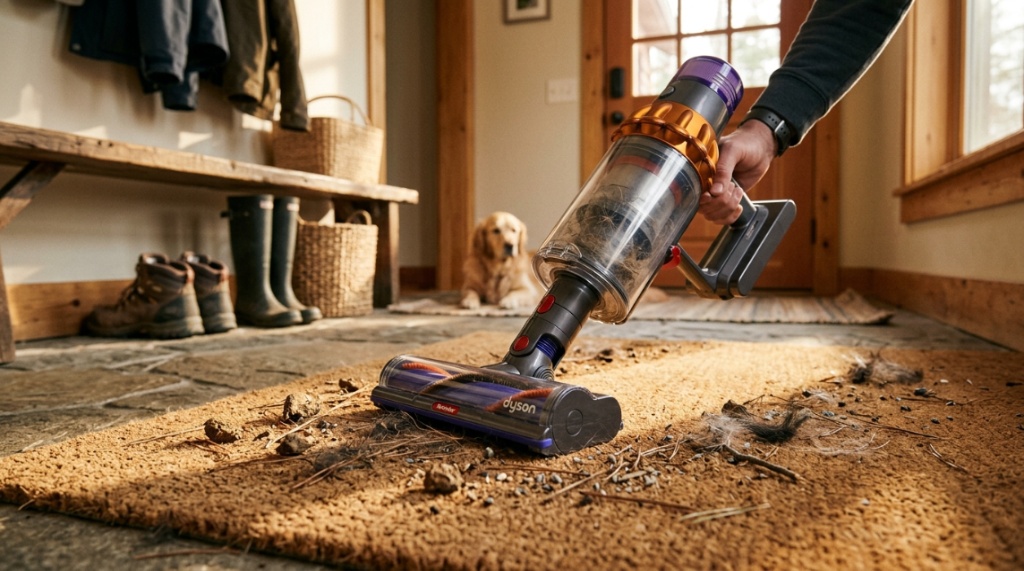
Seattle’s unique climate and geography create specific cleaning challenges. With an average of 152 rainy days per year, you are dealing with constant mud, damp debris, and moisture being tracked indoors. This means your vacuum needs to handle wet-dry conditions, prevent mold growth, and perform well on a variety of flooring types that are common in the Pacific Northwest. The right vacuum for Seattle homes must tackle pine needles, fir sap, damp soil, and pet fur from the abundant local dogs, all while maintaining strong suction through damp filters.
Seattle’s Moisture Problem and Your Vacuum
The constant dampness in Seattle aerates dust mites, mold spores, and pollen more easily. Standard bagless vacuums can release these particles back into the air when emptied. For a healthy home, choose a vacuum with a HEPA-sealed system that captures 99.97% of particles, including mold spores, ensuring they do not recirculate in your living space.
Flooring Diversity in the Emerald City
Seattle homes feature a mix of hardwood (often in older craftsman homes), tile (in wet areas like mudrooms), and area rugs (for warmth). You need a vacuum that transitions smoothly between these surfaces without scattering debris. A model with a brush roll shut-off is essential to protect delicate hardwood finishes from scratching.
Pet Hair and Pine Needles
Seattle is famously pet-friendly. Dog parks are everywhere, and dogs bring back wet fur, pine needles from the many parks, and sticky fir sap. A vacuum with a tangle-resistant brush roll and high airflow is critical for picking up these stubborn, fibrous materials without clogging.
What Type of Vacuum Works Best for Seattle’s Common Flooring?
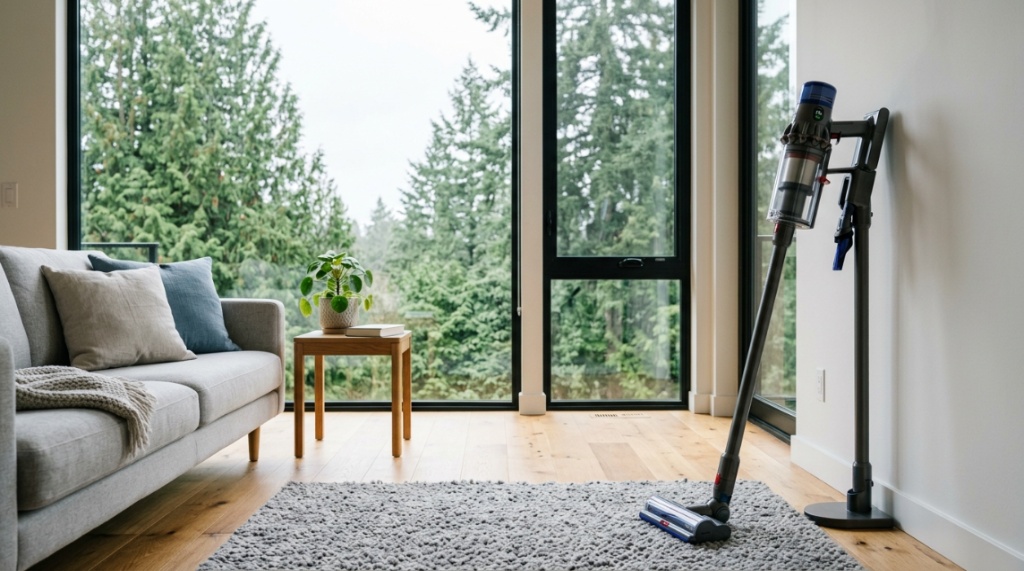
The best type of vacuum for Seattle homes is a versatile upright or canister model with adjustable suction and a brush roll shut-off. However, cordless stick vacuums have become very popular for quick daily pickups, especially in apartments and condos. Your choice depends on your home’s square footage, flooring mix, and your willingness to deal with cord management.
Why Upright Vacuums Often Win
Upright vacuums generally offer the strongest suction and largest dirt capacity, making them ideal for homes with significant carpeted areas. For Seattle homes with wall-to-wall carpet in bedrooms, an upright with a sealed HEPA filter and a wide cleaning path reduces cleaning time by 30%. They are also easier to push on plush carpet.
The Case for Canister Vacuums
Canister vacuums excel on hard floors and above-floor cleaning. If your Seattle craftsman home has mostly hardwood and a few area rugs, a canister model prevents scattering debris across bare floors. They are also lighter to carry up and down the stairs common in Seattle’s multi-level homes.
Are Cordless Stick Vacuums Enough for Seattle?
For apartments and smaller homes (under 1,500 square feet), a high-end cordless stick vacuum is often sufficient. However, you must ensure it has a removable battery so you can swap it out during long cleaning sessions. The constant wet debris can deplete battery life faster than dry dust, so having a spare battery is a huge advantage.
Which Features Are Critical for Seattle’s Wet Climate?
The most critical feature for a vacuum in Seattle is a sealed HEPA filtration system. Second is a washable pre-motor filter that can be rinsed frequently to prevent mold and mildew growth. Without these features, your vacuum can become a source of foul odors and allergen dispersal within weeks.
Water Filtration vs. HEPA Bags
Water filtration vacuums (like Rainbow or Sirena) are popular in Seattle because they use water to trap dust, keeping damp particles from recirculating. However, they are heavy and require regular cleaning. Bagged HEPA vacuums are more convenient for most homeowners because you simply throw away the debris bag, which is cleaner and reduces exposure to allergens.
Importance of a Brush Roll Shut-Off
When cleaning hardwood or laminate floors, the spinning brush roll can scatter dirt and scratch the surface. A brush roll shut-off feature allows you to continue vacuuming while the roller stops, saving your floors and improving pick-up efficiency on bare surfaces. This is a non-negotiable feature for protecting Seattle’s beautiful hardwood floors.
Anti-Allergen Seals
Standard vacuums leak fine dust back into the air. Seattle homes benefit from vacuums with an anti-allergen complete seal system. This means all the air that enters the vacuum is forced through the HEPA filter before exiting, reducing the common Seattle allergy triggers like mold, mildew, and pollen inside your home.
How Often Should You Clean Your Vacuum in Seattle?
You should clean your vacuum at least once a month during Seattle’s rainy season (October to March). The constant moisture causes debris to clump inside the brush roll, filters, and canister, leading to suction loss. Neglecting regular cleaning can reduce your vacuum’s performance by 50% within two months.
Filter Cleaning Schedule
For bagless vacuums, wash the foam/fabric pre-motor filter every 2 weeks. For bagged vacuums, replace the bag when it is about 75% full. Wet debris fills bags much faster than dry dust. A full bag or dirty filter forces the motor to work harder, reducing its lifespan.
Brush Roll Maintenance
Seattle’s pine needles and pet hair wrap around the brush roll quickly. Check the brush roll every week and cut away hair, string, and needles with scissors. If you let this build up, it can stop the brush roll from spinning entirely. Some newer vacuums feature self-cleaning brush rolls that make this much easier.
Can a Robot Vacuum Survive in a Seattle Home?
Yes, but with significant limitations. Robot vacuums are excellent for daily maintenance on hard floors, but they struggle with large debris like pine needles, wet mud, and pet hair clumps. For Seattle homes with mixed flooring, a robot vacuum is best used as a supplement, not a replacement for a primary upright or canister vacuum.
Best Use Cases for Robot Vacuums
A robot vacuum works best on a single level with mostly hard flooring and low-pile rugs. It can handle daily dust and dry debris, reducing the frequency of deep cleaning with your primary vacuum. However, it should not be relied upon for weekly deep cleaning during the wet season.
Limitations with Wet Debris
Most robot vacuums are not designed to pick up wet debris. Running a robot over a damp floor or mud can damage its sensors and motor. You must ensure the floor is completely dry before running a robot, which can be difficult during Seattle’s long rainy periods.
What Is the Best Vacuum for Seattle Apartments?
For Seattle apartments, the best vacuum is a lightweight bagged canister or a high-end cordless stick vacuum. Apartments in Seattle are often smaller than houses, so storage space is limited. You need a vacuum that is easy to stow, quiet enough not to disturb neighbors, and capable of handling the mix of hardwood and rugs typical of apartment interiors.
Noise Level Considerations
Apartment living in Seattle means thin walls. Choose a vacuum with a noise rating under 70 dB. Many modern cordless stick vacuums operate at around 65 dB, which is significantly quieter than traditional uprights. This allows you to vacuum early in the morning or late at night without complaints.
Storage Solutions
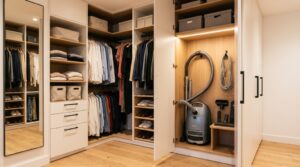
Seattle apartments often lack large closets. A vacuum that mounts on the wall (like many cordless models) is a huge space saver. Alternatively, a compact canister vacuum that fits in a small corner or under a bed is practical for tight living quarters.
How to Maintain Your Vacuum to Prevent Mold and Odors
Preventing mold in your vacuum is essential in Seattle. After each use, empty the canister or bag immediately if it contains damp debris. Never leave a vacuum sealed with wet dirt inside, as this creates a perfect environment for mold to grow. Store your vacuum in a dry area, not in a damp garage or laundry room.
Drying the Filters Properly
After washing filters, let them air dry completely (at least 24 hours) before reinstalling them. Installing a damp filter can lead to mold growth inside the vacuum and cause unpleasant musty smells. Rotate between two sets of filters if you vacuum frequently.
Cleaning the Brush Roll and Nozzle
Remove the brush roll and clean the housing area every month. Wet dirt and hair can form a paste that hardens and blocks airflow. Use a damp cloth to wipe the inside of the nozzle and brush roll chamber. This small step keeps your vacuum smelling fresh and performing at peak efficiency.
What Is the Best Vacuum for Pet Owners in Seattle?
The best vacuum for Seattle pet owners is one with a powerful suction (at least 12 amps or 200 air watts), a tangle-resistant brush roll, and a large dirt capacity. Seattle’s dog-friendly culture means pet hair is a constant presence. You need a vacuum that can handle wet fur and dry fur equally well without clogging.
Why Tangle-Resistant Brush Rolls Matter
Standard brush rolls wrap with pet hair within minutes. A tangle-resistant design features ridges or a comb that cuts hair before it wraps. This is a huge time saver. In a city where dogs are walked on wet streets daily, pet fur comes home matted and heavy. Tangle-resistant technology keeps your vacuum running smoothly.
HEPA Filtration for Pet Dander
Pet dander is a major allergen. Seattle homes with pets need a vacuum with a true HEPA filter. However, ensure the vacuum has a sealed system. Some vacuums claim HEPA filters but leak air around the seals. Look for “Sealed HEPA” in the product description.
Is a Bagged or Bagless Vacuum Better for Seattle?
For Seattle homes, bagged vacuums are generally better than bagless models. The primary reason is hygiene. Bagged vacuums trap dirt, dust, and mold spores inside a sealed bag. When you empty a bagless canister, you are exposed to a cloud of dust and allergens. Bagged vacuums also pack debris more densely, holding more dirt per volume.
Health Benefits of Bagged Vacuums
Bagged vacuums are the gold standard for allergy prevention. They reduce contact with allergens by up to 90% compared to bagless models. For Seattle residents with seasonal allergies or asthma, this is a significant health advantage. The bags act as an additional filtration layer.
Cost and Convenience Comparison
Bagged vacuums require ongoing bag purchases, which cost around $3-$5 per bag. However, bags last 1-2 months and you never have to wash a filter. Bagless vacuums save on bag costs but require frequent filter washing and more frequent deep cleaning of the canister. For most Seattle homeowners, the convenience and health benefits of bagged vacuums outweigh the bag costs.
While Pacific Northwest residents have to battle heavy damp mud and tracked-in evergreen needles, keeping a home clean in drier climates requires a completely different approach to dust and sand management. If you manage properties across different states or are moving down south, check out our guide on finding a reliable Multi-Surface Cordless Vacuum for Your Home in Arizona (AZ) to tackle dry-climate debris just as easily.
What Is the Best Vacuum for Seattle’s Older Homes?
Seattle has many older craftsman and Victorian homes with unique challenges: narrow stairs, small closets, and odd-shaped rooms. The best vacuum for these homes is a lightweight canister model with a long hose and a small cleaning head. This allows you to navigate tight corners and high baseboards easily.
Handling High Pile and Area Rugs
Older Seattle homes often feature thick, decorative area rugs. A vacuum with adjustable height settings is crucial. Too low a setting will struggle to push across the rug; too high will not pick up dirt. Many modern vacuums have auto-adjusting heads that sense carpet height and adjust accordingly.
Reaching High Shelves and Baseboards
Craftsman homes have beautiful, high baseboards and built-in shelving that collect dust. A vacuum with a long crevice tool and a flexible hose makes this much easier. Canister vacuums are superior for this job because you can carry the hose and wand without the weight of the canister.
What Are the Top Vacuum Brands for Seattle Homes?
Top vacuum brands for Seattle homes include Miele, Sebo, and Dyson. Miele and Sebo are German brands known for their durability, sealed HEPA systems, and bagged design. Dyson is popular for its strong suction and innovative cordless models. Each brand has specific models that excel in Seattle’s wet conditions.
Miele: The Premium Choice
Miele vacuums are built to last 20 years. They feature sealed HEPA systems, high-quality bags, and excellent filtration. The Miele Complete C3 series is a top choice for Seattle homes with mixed flooring. They handle wet and dry debris well and are quiet enough for apartment living.
Sebo: The Workhorse
Sebo vacuums are known for their durability and easy maintenance. They have a unique brush roll that pops out for easy cleaning, making them perfect for picking up pine needles and pet hair. The Sebo E3 and D4 are excellent for Seattle homes with lots of carpet and rugs.
Dyson: The Innovation Leader
Dyson offers powerful cordless and bagless models. The Dyson V15 Detect is popular for its laser illumination that reveals invisible dust. However, Dyson bagless models require careful maintenance to prevent clogs from wet debris. They are best for quick daily pickups rather than deep weekly cleaning.
How Much Should You Spend on a Vacuum for Seattle?
You should expect to spend between $300 and $800 for a high-quality vacuum that will last in Seattle’s climate. Spending less than $200 typically results in a vacuum with poor filtration, weak suction, and short lifespan. A premium vacuum is an investment in your home’s air quality and floor protection.
Budget vs. Performance
Below $200, vacuums often lack HEPA filtration, have plastic brush rolls that wear quickly, and cannot handle wet debris. In the $300-$500 range, you get a reliable vacuum with HEPA filtration and good durability. Above $600, you get premium features like motorized brush rolls, better seals, and extended warranties.
Long-Term Value
Spending $500 on a Miele or Sebo that lasts 15 years is actually cheaper per year than buying a $150 vacuum every two years. Plus, the higher filtration and better performance protect your flooring and improve your indoor air quality. For Seattle homeowners, a high-end vacuum pays for itself over time.
Frequently Asked Questions
Can I use a regular vacuum in a Seattle home?
Yes, but it will not perform as well. Regular vacuums lack HEPA seals and struggle with damp debris. They can also release mold spores back into the air. A vacuum specifically designed for Seattle’s climate will last longer and keep your home healthier.
What is the best vacuum for hardwood floors in Seattle?
The best vacuum for hardwood floors is one with a brush roll shut-off and strong suction. Canister vacuums from Miele and Sebo are popular because they do not scatter debris. A cordless stick vacuum with a soft roller head is also a good option for daily cleaning.
Do I need a HEPA filter in Seattle?
Yes, a HEPA filter is essential in Seattle because of the high levels of mold, pollen, and moisture in the air. A sealed HEPA system captures 99.97% of particles, protecting you from allergens that are common in the Pacific Northwest.
How often should I replace my vacuum in Seattle?
With proper maintenance, a high-quality vacuum should last 10-15 years in Seattle. However, if you buy a budget model, you may need to replace it every 2-3 years due to moisture damage and wear. Regular filter cleaning and brush roll maintenance extend any vacuum’s lifespan.
Are cordless vacuums powerful enough for Seattle homes?
For smaller homes and apartments, yes. High-end cordless vacuums from Dyson or LG offer sufficient suction for daily maintenance. However, for deep cleaning of carpets and large homes, a corded upright or canister model is still more powerful and reliable.
What is the best way to store a vacuum in a damp Seattle home?
Store your vacuum in a dry, indoor closet away from bathrooms and laundry rooms. If you must store it in a garage, place it in a plastic bin with a silica gel packet to absorb moisture. Never store a vacuum with a wet filter or damp canister inside.
Can a vacuum handle wet mud from shoes?
Most standard vacuums are not designed to pick up large amounts of wet mud. For mud, use a dedicated wet-dry vacuum (shop vac) or wait until the mud dries completely. Picking up wet mud can damage the motor and cause mold growth inside the vacuum.
Conclusion
Choosing the right vacuum for Seattle homes is about adapting to the city’s unique climate. The moisture, mud, pine needles, and pet hair demand a vacuum with sealed HEPA filtration, a tangle-resistant brush roll, and the ability to handle both wet and dry debris. A bagged Miele or Sebo offers the best long-term value, while a high-end Dyson cordless works for smaller apartments. Remember to clean your filters and brush roll monthly to maintain performance and prevent mold. With the right machine and maintenance, you can keep your Seattle home clean and allergen-free all year round.