
Pool ownership brings enjoyment, yet wastewater disposal requires careful attention to protect local water quality. Many homeowners overlook important discharge rules until maintenance becomes necessary. According to the Environmental Protection Agency, stormwater pollution remains a leading environmental concern across urban communities. Additionally, millions of residential swimming pools require regular maintenance every year. Therefore, understanding DE pool filter backwashing practices helps homeowners avoid costly mistakes while protecting nearby waterways.
Why Pool Wastewater Rules Matter
Los Angeles regulates pool wastewater because untreated discharge can carry chlorine, salt, debris, and harmful chemicals. These pollutants often enter storm drains that flow directly into natural waterways. Therefore, responsible disposal protects public health and the surrounding environment.
Every homeowner should understand local discharge expectations before draining or cleaning a swimming pool. While improving outdoor maintenance, many owners also explore clean narrow stair areas for overall property care. Proper planning reduces violations and supports safer maintenance throughout the property.
Understand the Difference Between Storm Drains and Sewer Systems
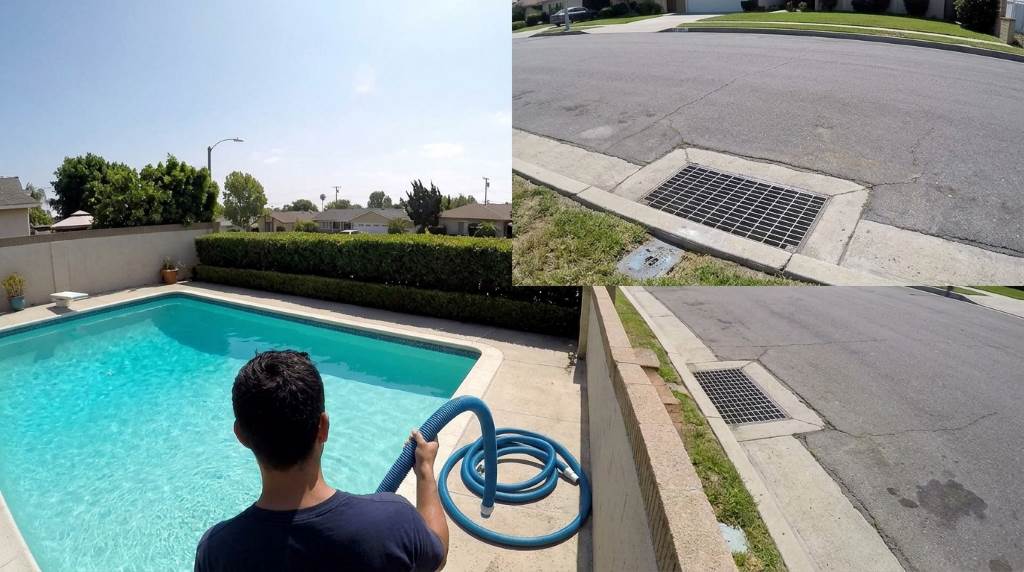
Storm drains collect rainwater and transport it directly toward rivers, beaches, and natural water bodies. Consequently, pool wastewater should never enter these drainage systems unless specifically permitted. Even small amounts of chemicals may damage local ecosystems.
Sanitary sewer systems send wastewater to treatment facilities before safe release into the environment. Therefore, approved wastewater disposal usually involves sanitary sewer connections instead of storm drains. However, homeowners should always confirm local requirements before draining.
Common Pollutants Found in Pool Water
- Chlorine and bromine disinfectants
- Salt from saltwater systems
- Algaecides and specialty chemicals
- Fine filter particles
- Organic debris and sediment
Prepare Pool Water Before Disposal
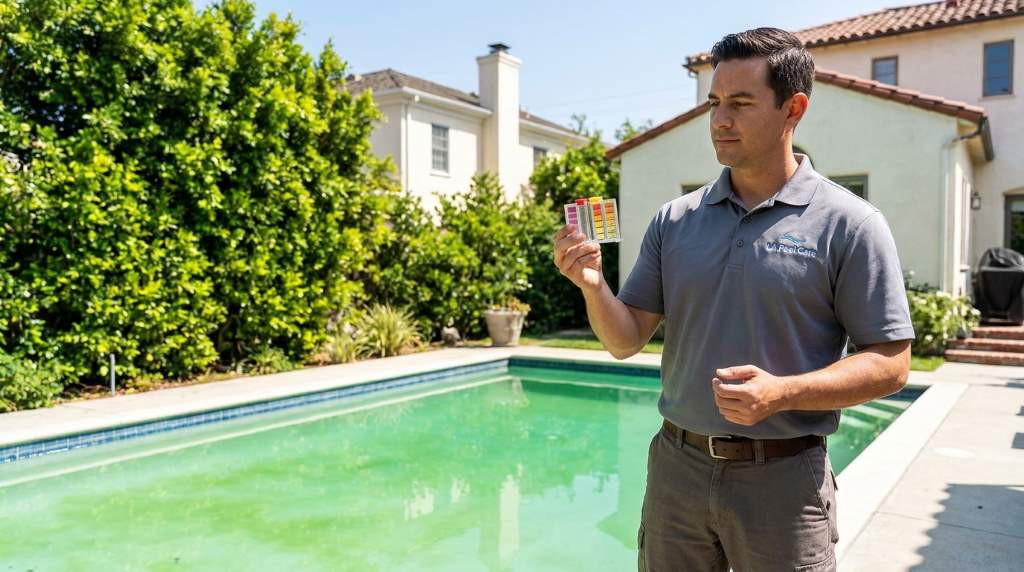
Preparation greatly reduces environmental risks during wastewater disposal. First, stop adding chlorine several days before draining whenever possible. Next, test chemical levels using reliable pool testing equipment. Safe chemical levels help prevent accidental contamination.
Many homeowners also organize indoor maintenance while preparing outdoor projects. Some even compare equipment after reading about pick right vacuum solutions for complete household cleaning. Careful preparation improves efficiency across every maintenance task.
Recommended Preparation Steps
- Allow chlorine levels to decline naturally.
- Check pH before draining.
- Remove leaves and debris first.
- Inspect drainage equipment carefully.
- Confirm approved discharge locations.
Handle Pool Filter Backwash Properly
Pool filter cleaning creates wastewater containing concentrated dirt, chemicals, and filter materials. Therefore, homeowners should never discharge this waste directly into street gutters. Instead, follow approved disposal methods recommended for the specific filter type.
Routine maintenance often includes cleaning nearby storage spaces and utility rooms. Some homeowners also research budget canister vacuum options while improving home maintenance routines. Organized equipment storage simplifies future pool care.
Different Filter Types Require Different Care
- Sand filters release sediment during backwashing.
- Cartridge filters produce less wastewater.
- DE filters create wastewater containing fine filtration powder.
Know When Professional Help Makes Sense
Large pool draining projects sometimes require professional assistance because disposal rules vary by property conditions. Experienced contractors understand equipment requirements and wastewater handling practices. Their guidance helps homeowners reduce unnecessary compliance risks.
Professional services also save time during major renovations or equipment replacements. Moreover, experts often identify drainage issues before they become expensive repair projects. Preventive maintenance protects both the property and surrounding community.
Avoid Common Pool Wastewater Mistakes
Many violations happen because homeowners assume every outdoor drain connects to a treatment facility. Unfortunately, most neighborhood storm drains discharge without wastewater treatment. Learning the difference prevents avoidable environmental damage.
Ignoring chlorine levels also creates unnecessary problems during disposal. Furthermore, draining large volumes too quickly may cause erosion around landscaped areas. Controlled discharge protects both property and infrastructure.
Common Mistakes to Avoid
- Draining directly into street gutters.
- Ignoring chlorine test results.
- Skipping local disposal requirements.
- Discharging wastewater too quickly.
- Allowing debris to enter drainage systems.
Simple Best Practices for Every Homeowner
Creating a maintenance checklist keeps wastewater disposal organized throughout the year. Regular inspections reduce emergency draining situations and improve equipment performance. Consequently, maintenance becomes easier and more predictable.
Homeowners should also keep basic records of chemical testing and maintenance schedules. These notes support consistent pool care while reducing unnecessary treatment costs. Organized maintenance encourages responsible long term ownership.
Quick Maintenance Checklist
- Test water before draining.
- Reduce chlorine naturally.
- Inspect drainage routes.
- Follow approved disposal practices.
- Maintain service records.
Conclusion
Understanding wastewater rules protects local waterways while keeping pool maintenance safe and responsible. Careful planning prevents environmental harm and reduces unnecessary compliance concerns. Every maintenance decision supports cleaner neighborhoods and healthier communities.
Start reviewing your pool maintenance routine today before your next draining project. Responsible wastewater management protects your investment while supporting cleaner water for everyone.
Frequently Asked Questions
Can I drain pool water into a storm drain?
No, untreated pool wastewater should generally never enter storm drains.
Should chlorine be removed before draining?
Yes, chlorine should decline to safe levels before wastewater disposal.
Is pool filter backwash considered wastewater?
Yes, filter backwash contains contaminants and requires proper disposal.
Why should homeowners avoid rapid draining?
Rapid drainage may cause erosion and increase environmental risks.
When should I contact a professional?
Professional help becomes valuable during large drainage projects or uncertain disposal situations.