
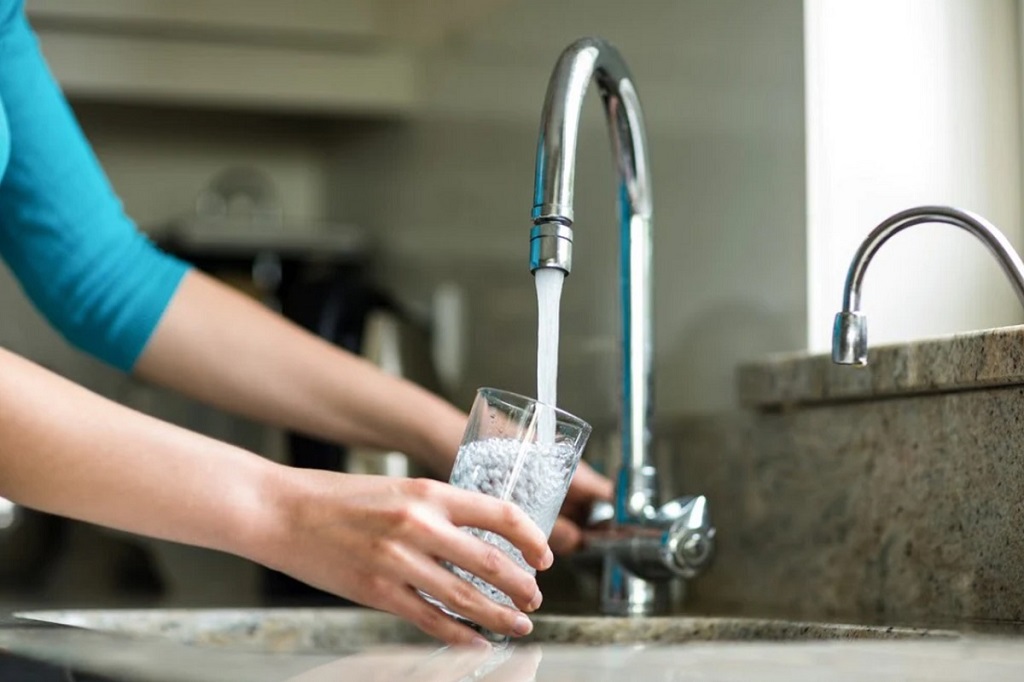
When it comes to boosting home value, many people think of renovations, location, or energy efficiency. But there’s another factor that often gets overlooked: access to private water. A well on your property can be seen as both a perk and a risk, depending on how it’s maintained and what potential buyers are looking for. Understanding how water wells influence property value is key for homeowners who want to make smart decisions about upgrades, sales, or future investments.
This article explores the surprising truth about whether a water well can raise the value of your home, the factors that make it a selling point, and when it could become a drawback. We’ll look at real estate trends, buyer psychology, and what experts recommend for those considering a property with a private water source.
Does a Water Well Increase Property Value?
For many buyers, the question isn’t simply about convenience, but about long-term cost savings and independence. A well means no monthly water bills, which can add up over time. According to does a water well increase property value, the answer depends on water quality, system maintenance, and buyer perception. In areas where clean water is scarce, a well can be a huge advantage. In regions where municipal water is more reliable, it might be less appealing.
As southeastonrent explains, property value isn’t just about features—it’s about how those features fit into local demand and lifestyle expectations. If buyers in your market view private wells as a safe, reliable, and cost-saving asset, then the presence of one may raise your home’s worth significantly.
What Makes a Water Well Attractive to Buyers?

- Cost savings: No monthly utility bills for water, making it financially appealing over time.
- Independence: Homeowners aren’t reliant on city infrastructure.
- Potential for better quality: In some cases, well water tastes fresher and contains fewer chemicals than treated municipal water.
- Environmental appeal: Eco-conscious buyers may prefer the sustainability of using natural groundwater.
However, these positives only hold weight when the well is properly constructed and maintained. A neglected system can quickly turn from asset to liability.
When Can a Water Well Hurt Your Property Value?
Not all wells are created equal. If the water is contaminated, if the system is outdated, or if the well doesn’t meet state and local codes, it can scare buyers away. According to the U.S. Environmental Protection Agency (EPA), private well owners are responsible for their own testing and safety measures. A buyer who sees unclear records or evidence of poor maintenance may hesitate to move forward—or lower their offer significantly.
Additionally, in areas where municipal water is considered more reliable or where wells are associated with high maintenance costs, a property with a well may be less desirable.
What Do Appraisers and Realtors Say?
Real estate professionals often highlight that property value gains depend heavily on location. In rural areas where private wells are common, they usually don’t add much extra value since buyers expect them. In suburban or semi-rural areas, however, they can stand out as a unique advantage. Appraisers consider water access as part of the property’s utility and overall livability. A properly functioning well can be a plus, but one in poor condition can drag value down.
How Can You Ensure a Well Adds Value?
- Regular water quality testing with certified labs.
- Keeping maintenance and inspection records to show buyers.
- Ensuring the well is up to code with proper casing and depth.
- Installing modern filtration systems if needed.
- Educating potential buyers about cost savings and reliability.
Is It Worth Drilling a New Well to Boost Value?
This is a complex decision. Drilling a new well is costly, often ranging from $3,000 to $15,000 depending on depth and location. If your property already has reliable municipal water, the return on investment may be low. On the other hand, if you live in an area where well access is highly valued and municipal water is either unavailable or expensive, it may be a smart investment. Speaking with local realtors before making the decision is highly recommended.
What Are the Long-Term Risks?
Owning a well comes with ongoing responsibilities. Water tables can drop, pumps may fail, and contamination can occur from nearby agricultural or industrial activity. For homeowners, this means budgeting for maintenance and being proactive with testing. For buyers, it means evaluating whether they’re willing to take on those risks. A transparent approach—showing maintenance logs and test results—can help ease those concerns during a sale.
Read More Also: Cat Stand Up Paddle Board
Conclusion
So, can a water well raise your home’s worth? The answer is yes—but only under the right conditions. A well-maintained system with documented clean water can attract buyers who value independence and savings. However, a neglected or poorly managed one can turn into a liability that lowers offers or deters buyers entirely. If you own a property with a private well, your best bet is to keep it clean, documented, and up to modern standards. That way, when it comes time to sell, you can highlight it as a real asset rather than a hidden risk.
If you’re considering buying or selling a home with a well, consult both local realtors and water quality experts. This ensures you make decisions that protect both your health and your investment.
Read More Also: How to Make DIY Drawer Dividers
FAQs
Is well water better than city water?
Not always. While some people prefer the taste of well water, its safety depends on regular testing and maintenance. City water, on the other hand, is treated and regulated but often contains added chemicals.
How much does it cost to maintain a well?
Annual testing and minor maintenance can cost between $150 and $300. Pump replacements or major repairs can run into thousands of dollars.
Can a contaminated well be fixed?
Yes, but it depends on the source of contamination. Some issues can be resolved with filtration systems, while others may require more extensive solutions.
How often should well water be tested?
The EPA recommends testing annually for bacteria, nitrates, and other local contaminants. More frequent testing may be needed if there are changes in taste, odor, or nearby land use.
Do all buyers see wells as an advantage?
No. Some buyers are excited about independence from utilities, while others worry about long-term maintenance. It depends on buyer preference and local market norms.
Is it harder to sell a home with a well?
It can be if the well isn’t documented or maintained. However, with proper records and clean water reports, many buyers see it as a positive feature.
What’s the lifespan of a well?
Most wells last 30–50 years, but this depends on the geology, water table, and maintenance practices.