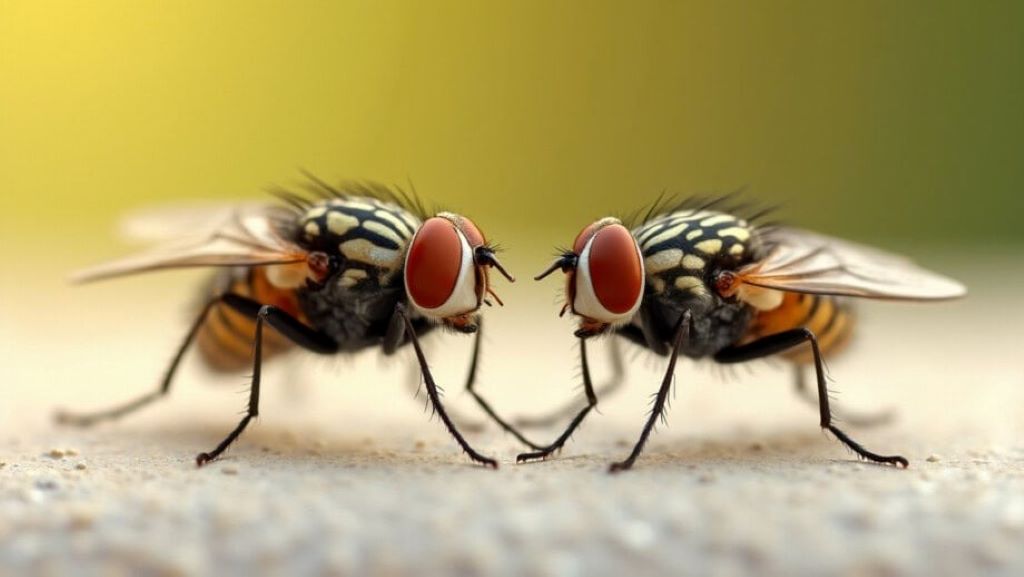
Dealing with fruit fly infestations can leave unsightly marks on your walls that many homeowners struggle to remove effectively. When these tiny pests gather in large numbers, they often leave behind yellow spots and stains that can damage your home’s appearance. Understanding proper cleaning techniques and prevention methods is essential for maintaining clean, spotless walls. The home improvement experts at H Decor Ideas have compiled comprehensive solutions to help you tackle this common household problem.
Fruit flies are more than just a minor annoyance in your kitchen. These persistent insects can create lasting damage to your walls through their waste products and bodily fluids. Over time, their activities result in yellow specks and stains that become increasingly difficult to remove without proper knowledge and techniques.
Learning how to clean yellow specs on walls ftom fruibg requires understanding both the nature of these stains and the most effective cleaning approaches. Professional cleaning methods can restore your walls to their original condition while preventing future damage from occurring.
Understanding Fruit Fly Wall Damage
Fruit flies leave behind various types of residue when they infest your home. Their waste products contain acidic compounds that can permanently stain painted surfaces if left untreated. These microscopic deposits accumulate over time, creating visible yellow or brown spots that mar your wall’s appearance.
The damage typically appears in areas where fruit flies congregate most frequently. Kitchen walls near garbage cans, fruit bowls, and sink areas are particularly susceptible to this type of staining. Bathrooms with moisture issues also attract these pests, leading to similar wall damage patterns.
Temperature and humidity levels affect how quickly these stains set into your wall surfaces. Warmer conditions accelerate the chemical reactions that cause permanent discoloration. Understanding these factors helps you prioritize which areas need immediate attention when addressing fruit fly damage.
Identifying Yellow Specs and Stains
Recognizing fruit fly damage early prevents minor spots from becoming major cleaning challenges. Fresh stains typically appear as tiny yellow or amber dots scattered across wall surfaces. These spots may seem insignificant initially but can multiply rapidly during active infestations.
Older stains develop a darker, more pronounced appearance that penetrates deeper into paint layers. They often cluster around light fixtures, windows, and food preparation areas where fruit flies naturally gather. The stains may also appear along baseboards and corners where dead insects accumulate.
Testing a small, inconspicuous area helps determine the appropriate cleaning method for your specific wall surface. Different paint types and finishes require varying approaches to avoid causing additional damage during the cleaning process.
Essential Cleaning Supplies and Tools
Gathering the right supplies before beginning your cleaning project ensures efficient and effective stain removal. Basic household items often provide excellent results when used correctly. White vinegar serves as a natural cleaning agent that breaks down acidic fruit fly residue without damaging most paint surfaces.
Microfiber cloths offer superior cleaning performance compared to traditional rags or paper towels. Their fine fibers capture microscopic particles while preventing scratching on delicate wall finishes. Having several clean cloths available allows you to switch to fresh ones as they become soiled.
Warm water mixed with mild dish soap creates an effective general cleaning solution for most wall types. Adding a small amount of baking soda provides gentle abrasive action for stubborn stains. Always test cleaning solutions on hidden areas first to ensure compatibility with your wall finish.
Step-by-Step Cleaning Process
Begin by removing any loose debris or dead insects from the affected wall area using a soft brush or vacuum cleaner with a brush attachment. This preliminary step prevents spreading additional contamination during the cleaning process. Work systematically from top to bottom to avoid recontaminating cleaned areas.
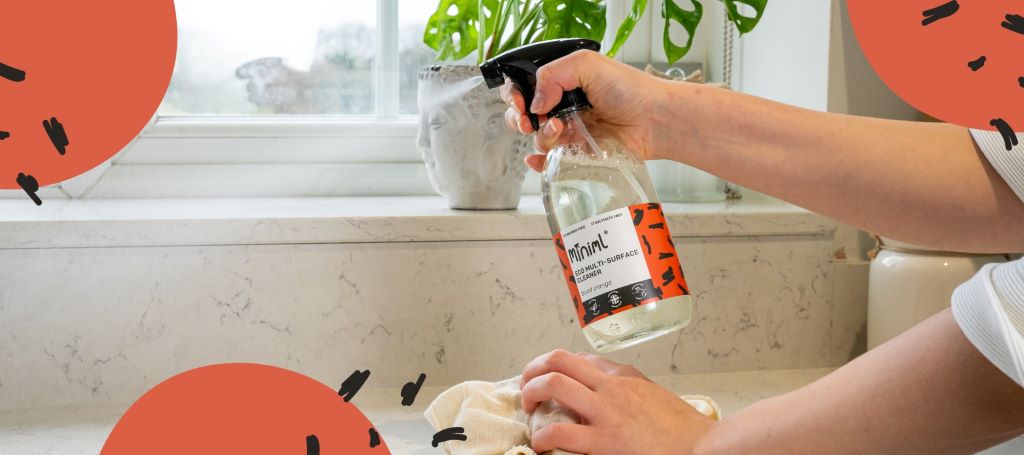
Create your cleaning solution by mixing equal parts white vinegar and warm water in a spray bottle. For heavily stained areas, increase the vinegar concentration slightly. Spray the solution directly onto yellow specs and allow it to sit for several minutes to penetrate the stains.
Gently scrub the treated areas using circular motions with a microfiber cloth. Apply moderate pressure to remove embedded stains without damaging the paint surface. Rinse the cloth frequently in clean water to prevent redistributing dissolved residue across the wall.
Follow up with a clean, damp cloth to remove any remaining cleaning solution residue. Dry the wall thoroughly using a separate clean cloth or allow air drying in well-ventilated spaces. Inspect your work under good lighting to identify any missed spots that require additional treatment.
Advanced Cleaning Techniques for Stubborn Stains
Persistent stains may require stronger cleaning approaches when standard methods prove insufficient. Creating a paste using baking soda and water provides gentle abrasive action for deeply embedded marks. Apply the paste to stained areas and allow it to sit for 15 minutes before gentle scrubbing.
Commercial enzyme cleaners specifically designed for organic stains can effectively break down protein-based fruit fly residue. These products work by breaking down the molecular structure of the stains, making them easier to remove. Always follow manufacturer instructions and ensure adequate ventilation when using chemical cleaners.
For painted walls with stubborn discoloration, consider using a magic eraser or melamine foam pad. These products can remove surface stains without harsh chemicals, though they should be used sparingly to avoid dulling paint finishes. Test in an inconspicuous area first.
Prevention Strategies
Implementing effective prevention measures reduces the likelihood of future fruit fly infestations and associated wall damage. Regular cleaning of kitchen surfaces eliminates food sources that attract these pests. Store ripe fruits in sealed containers or refrigerators to limit breeding opportunities.
Maintaining proper sanitation around garbage areas prevents fruit fly populations from establishing themselves near your walls. Empty trash cans frequently and clean them regularly with disinfectant solutions. Fix any plumbing leaks that create moisture conditions favorable to pest development.
Installing fine mesh screens over drains and keeping them clean prevents fruit flies from emerging from sewer systems. Regular inspection of potential problem areas allows early intervention before infestations become severe enough to cause wall damage.
When to Call Professional Services
Extensive wall damage or repeated infestations may require professional pest control and cleaning services. Professionals have access to specialized equipment and cleaning products not available to consumers. They can also identify underlying moisture or sanitation issues contributing to recurring problems.
Valuable or antique wall coverings should always be handled by restoration professionals. Improper cleaning techniques can cause irreversible damage to delicate surfaces or historically significant finishes. Professional conservators have the expertise to safely remove stains while preserving the original material.
Consider professional services when DIY efforts repeatedly fail to achieve satisfactory results. Persistent staining may indicate deeper penetration into wall materials that requires specialized treatment methods. Professional assessment can determine whether cleaning or repainting offers the most cost-effective solution.
Wall Surface Considerations
Different wall surfaces require specific cleaning approaches to avoid damage while effectively removing fruit fly stains. Painted drywall typically responds well to mild cleaning solutions and gentle scrubbing techniques. Flat paint finishes are more susceptible to damage than satin or semi-gloss surfaces.
Wallpaper presents unique challenges when dealing with fruit fly stains. Test cleaning solutions on an inconspicuous area first, as many wallpaper adhesives are water-sensitive. Vinyl wallpapers generally tolerate moisture better than paper-based products.
Natural materials like wood paneling or brick require specialized cleaning approaches. These porous surfaces may absorb stains more deeply, requiring patience and repeated treatments. Avoid using acidic cleaners on natural stone surfaces as they can cause permanent etching.
Long-term Maintenance Tips
Establishing regular wall cleaning routines helps prevent minor fruit fly residue from becoming permanent stains. Weekly inspection of high-risk areas allows early identification of developing problems. Address any spots immediately while they remain easy to remove.
Seasonal deep cleaning sessions should include thorough examination of all wall surfaces for signs of pest-related damage. Spring and fall are ideal times for comprehensive home maintenance activities. Document any problem areas with photographs to track improvement over time.
Consider applying protective coatings to walls in high-risk areas. Washable paint finishes make future cleaning easier and more effective. Some specialty coatings resist staining and allow easier removal of various contaminants including fruit fly residue.
Conclusion
Successfully removing yellow specs and stains from fruit fly damage requires understanding proper cleaning techniques and using appropriate materials for your specific wall surfaces. The key lies in acting quickly when stains first appear, using gentle but effective cleaning solutions, and implementing prevention strategies to avoid future infestations.
Regular maintenance and early intervention prevent minor issues from becoming major restoration projects. When standard cleaning methods prove insufficient, don’t hesitate to seek professional assistance to preserve your walls and maintain your home’s appearance. Remember that prevention through proper sanitation and pest control measures offers the most cost-effective long-term solution.
Frequently Asked Questions
Q: How quickly should I clean fruit fly stains after noticing them? A: Clean fruit fly stains as soon as possible, preferably within 24-48 hours of discovery. Fresh stains are much easier to remove than those that have had time to set into the paint or wall surface.
Q: Can fruit fly stains permanently damage painted walls? A: Yes, if left untreated for extended periods, fruit fly waste products can permanently stain or even etch painted surfaces due to their acidic nature. Prompt cleaning prevents permanent damage in most cases.
Q: What’s the safest cleaning solution for removing fruit fly stains? A: A mixture of equal parts white vinegar and warm water is generally safe for most painted surfaces and effectively breaks down fruit fly residue. Always test in an inconspicuous area first.
Q: Should I repaint walls after removing heavy fruit fly staining? A: Repainting may be necessary if stains have penetrated deeply into the paint or if cleaning efforts have dulled the surface finish. Professional assessment can help determine the best course of action.
Q: How can I prevent future fruit fly damage to my walls? A: Maintain proper sanitation, eliminate food sources, fix moisture problems, and address infestations promptly. Regular cleaning of potential breeding areas significantly reduces the risk of wall damage.
Read More:
How Much Does an Interior Designer Cost in Denver?
Floor and Decor Opens in Colorado Springs: Your One-Stop Shop for Home Renovation