
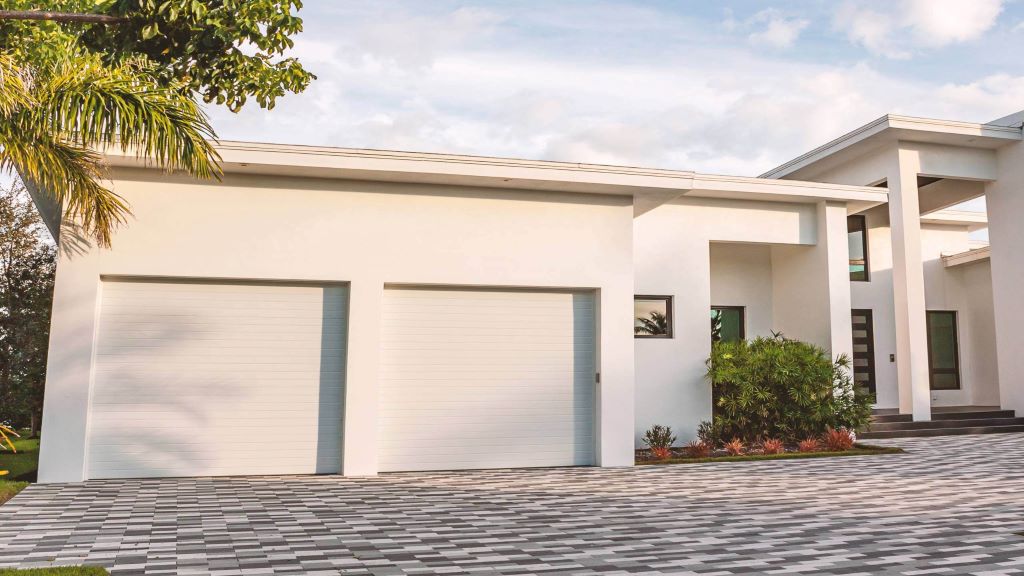
The garage door industry has undergone a remarkable transformation in recent years. Modern homeowners no longer view garage doors as purely functional elements. Instead, these architectural features have become design statements that significantly impact curb appeal and property value. Revolutionary materials are reshaping how we think about garage door design in 2025.
Today’s innovative materials combine cutting-edge technology with aesthetic appeal. They offer superior durability, energy efficiency, and smart functionality. From composite materials that mimic natural wood to smart glass that transforms transparency, these advances represent the future of residential design. Understanding these materials helps homeowners make informed decisions about their property investments.
Smart Glass Technology Transforming Traditional Garage Doors
Smart glass represents one of the most exciting developments in garage door materials today. This technology switches between clear and opaque glass, offering unprecedented control over privacy and natural light. Homeowners can adjust transparency levels using smartphone apps or wall-mounted controls.
The technology works through electrochromic or liquid crystal principles. When electrical current is applied, the glass molecules align to control light transmission. This creates endless possibilities for customization. Additionally, smart glass provides excellent insulation properties, reducing energy costs throughout the year.
Smart glass garage doors perfectly complement modern architectural styles. They create seamless transitions between indoor and outdoor spaces. Furthermore, the technology enhances security by allowing homeowners to see through the door when needed. However, they maintain privacy when the glass becomes opaque.
Commercial Grade Aluminum Frames Setting New Standards
Commercial grade aluminum frames offer low-maintenance, weather-resistant construction that makes them virtually maintenance-free and long-lasting. These frames provide exceptional durability while maintaining lightweight properties. Modern aluminum alloys resist corrosion, denting, and warping better than traditional materials.
The manufacturing process involves precision extrusion techniques. This ensures consistent quality and dimensional accuracy. Additionally, aluminum frames accept various glazing materials and solid panels. Homeowners can customize their doors to match specific design preferences.
Aluminum’s thermal properties have improved significantly through engineering advances. Modern frames incorporate thermal breaks to reduce heat transfer. Therefore, these doors contribute to improved energy efficiency. Moreover, aluminum’s recyclability makes it an environmentally responsible choice for conscious homeowners.
Composite Materials Delivering Wood-Like Aesthetics Without Maintenance
Composite materials have revolutionized garage door design by combining multiple components. These engineered materials typically blend wood fibers with polymer resins. The result mimics natural wood appearance while eliminating traditional maintenance requirements.
Advanced manufacturing techniques create realistic wood grain patterns and textures. Homeowners can choose from various species appearances without harvesting natural forests. Additionally, composite materials resist moisture, insects, and dimensional changes that affect real wood.
The durability of composite materials exceeds that of natural wood significantly. They maintain their appearance for decades without staining, painting, or sealing. Furthermore, these materials offer superior insulation properties compared to traditional wood doors. This contributes to reduced energy consumption and increased comfort.
Weather-Resistant Steel with Advanced Coating Systems
Modern steel garage doors feature sophisticated coating systems that enhance longevity. These coatings protect against rust, corrosion, and environmental damage. Advanced galvanization processes create multiple protective layers that extend door lifespan considerably.
Multi-layer coating systems typically include zinc, primer, and topcoat applications. This comprehensive protection resists salt air, acid rain, and UV radiation. Additionally, modern steel formulations incorporate recycled content without compromising strength or durability.
Steel’s structural integrity makes it ideal for large garage door applications. WindCode®-reinforced and impact-rated doors meet strict building codes in hurricane-prone regions. This ensures safety during extreme weather events. Moreover, steel doors accommodate various insulation options to improve energy efficiency.
Insulated Panel Technology for Energy Efficiency
Insulated panel technology has advanced dramatically in recent years. Modern systems incorporate multiple insulation layers to maximize thermal performance. These panels significantly reduce heat transfer between interior and exterior environments.
Polyurethane and polystyrene insulation materials offer different benefits. Polyurethane provides superior R-values in thinner profiles. Polystyrene offers cost-effective insulation for budget-conscious homeowners. Additionally, both materials contribute to noise reduction and structural stability.
Advanced panel designs eliminate thermal bridging through continuous insulation. This prevents heat loss through structural components. Furthermore, insulated panels reduce operational noise from door mechanisms. Therefore, homeowners enjoy quieter operation and improved comfort levels.
Sustainable Recycled Materials for Eco-Conscious Homeowners
Environmental consciousness drives demand for sustainable garage door materials. Reclaimed wood and recycled aluminum are highly sustainable options, offering minimal environmental impact while maintaining durability. These materials appeal to homeowners prioritizing environmental responsibility.
Recycled aluminum maintains the same properties as virgin material. The recycling process requires significantly less energy than primary production. Additionally, recycled aluminum can be reprocessed indefinitely without quality degradation.
Reclaimed wood offers unique character and history that new materials cannot match. Each piece tells a story through natural aging and weathering patterns. Furthermore, using reclaimed materials prevents valuable resources from entering landfills. This circular approach reduces environmental impact while creating distinctive design elements.
High-Performance Glazing Materials for Natural Light
Modern glazing materials have evolved beyond simple window glass. Today’s options include laminated, tempered, and insulated glass units. These materials provide safety, security, and energy efficiency while maximizing natural light transmission.
Laminated glass consists of multiple layers with interlayer films. This construction prevents shattering and provides security benefits. Additionally, special films can block UV radiation while maintaining visible light transmission. This protects interior furnishings from fading damage.
Insulated glass units incorporate multiple panes with insulating air spaces. Low-emissivity coatings further enhance thermal performance. Therefore, these glazing systems reduce energy costs while providing abundant natural light. Moreover, gas fills between panes improve insulation properties significantly.
Personal Experience: Transforming a Traditional Garage
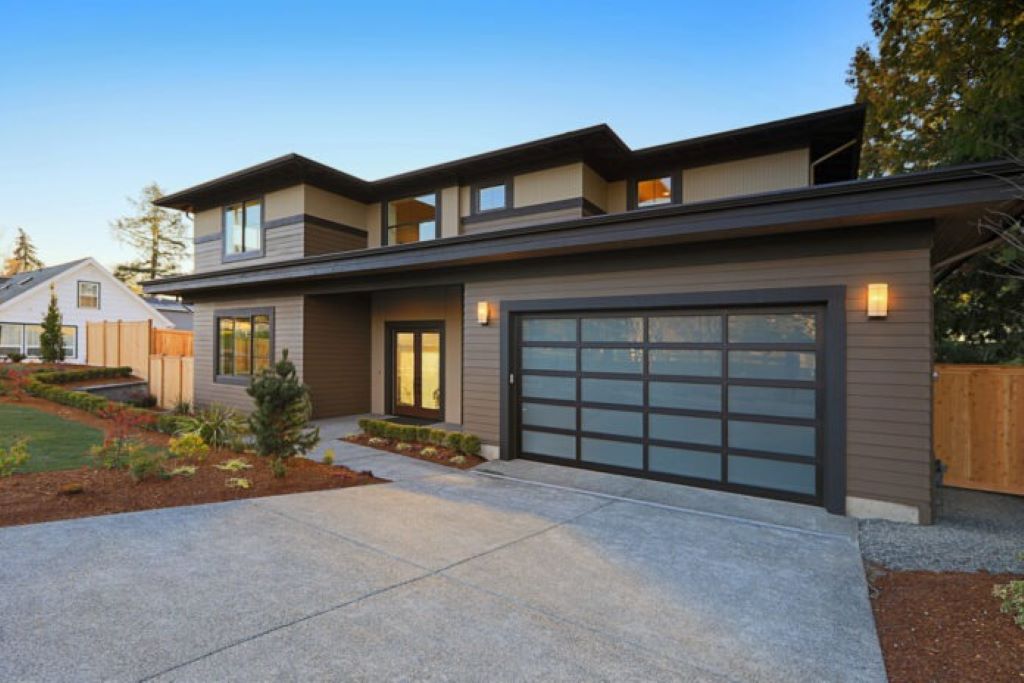
Last year, I helped my neighbor upgrade from a traditional steel door to a modern aluminum and glass design. The transformation was remarkable. The new door featured frosted glass panels that provided privacy while allowing natural light into the garage workspace.
The installation process took just one day with professional installers. However, the preparation and material selection required several weeks of research. We considered multiple options before selecting composite frame materials with insulated glazing units.
The results exceeded expectations in every aspect. Energy costs decreased noticeably during the first winter. Additionally, the garage became a more pleasant workspace with improved lighting. The curb appeal enhancement was immediately apparent and received numerous compliments from neighbors.
Choosing the Right Material for Your Home Design
Selecting appropriate garage door materials requires careful consideration of multiple factors. Climate conditions significantly influence material performance and longevity. Additionally, architectural style should guide material and design choices for cohesive appearance.
Budget considerations affect material selection but shouldn’t compromise quality. Investing in superior materials often provides better long-term value. Furthermore, energy efficiency benefits can offset higher initial costs through reduced utility bills.
Maintenance requirements vary significantly between different materials. Homeowners should honestly assess their willingness to perform regular upkeep. Therefore, low-maintenance options may provide better value for busy lifestyles. Moreover, warranty coverage reflects manufacturer confidence in material quality and durability.
Installation and Maintenance Considerations for Modern Materials
Professional installation ensures optimal performance from advanced garage door materials. Modern systems incorporate sophisticated components that require specialized knowledge. Additionally, proper installation prevents premature failure and safety hazards.
Regular maintenance schedules depend on material choices and environmental conditions. However, most modern materials require minimal upkeep compared to traditional options. Furthermore, many manufacturers provide detailed maintenance guidelines to maximize door lifespan.
Safety considerations become increasingly important with advanced materials. Smart glass systems require electrical connections that must comply with local codes. Therefore, professional installation ensures compliance and safety. Moreover, proper maintenance prevents electrical hazards and system failures.
Future Trends in Garage Door Material Development
Material science continues advancing garage door technology rapidly. Researchers are developing self-healing materials that repair minor damage automatically. Additionally, smart materials that respond to environmental conditions show promising potential.
Nanotechnology applications may revolutionize surface treatments and coatings. These advances could provide self-cleaning properties and enhanced durability. Furthermore, integration with home automation systems will become increasingly sophisticated.
Sustainability concerns will drive further development of eco-friendly materials. Biodegradable composites and carbon-neutral manufacturing processes represent future possibilities. Therefore, environmental responsibility will become a key differentiator in material selection.
Conclusion
Revolutionary materials are transforming garage door design in unprecedented ways. Smart glass technology, commercial grade aluminum, and advanced composites offer exciting possibilities for modern homeowners. These innovations combine aesthetic appeal with superior performance characteristics.
The seven materials discussed represent the cutting edge of garage door technology. Each offers unique benefits that address specific homeowner needs and preferences. Additionally, these materials contribute to improved energy efficiency and reduced environmental impact.
Investing in advanced garage door materials enhances property value and curb appeal significantly. The combination of durability, functionality, and aesthetics makes these materials worthwhile investments. Therefore, homeowners should carefully consider these revolutionary options when planning garage door upgrades.
Ready to revolutionize your garage door design? Share this article with friends planning home improvements and leave a comment about which material interests you most for your next project.
Frequently Asked Questions
What is the most durable garage door material for extreme weather conditions?
WindCode®-reinforced steel and composite doors offer superior weather resistance and meet strict building codes in hurricane-prone regions. These materials provide exceptional durability against wind, rain, and impact damage.
How much do smart glass garage doors cost compared to traditional materials?
Glass garage doors cost $3,000 to $8,400 installed on average for single-car doors, while 2-car glass garage doors cost $5,200 to $11,800+ installed. Smart glass technology adds premium pricing but offers unique functionality.
Which garage door materials require the least maintenance over time?
Commercial grade aluminum frames are virtually maintenance-free and long-lasting, while composite materials also require minimal upkeep compared to natural wood or basic steel options.
Are sustainable garage door materials as durable as traditional options?
Reclaimed wood and recycled aluminum maintain durability while offering minimal environmental impact. These sustainable options perform comparably to new materials when properly manufactured and installed.
What energy efficiency benefits do insulated garage door materials provide?
Insulated panel technology significantly reduces heat transfer and energy costs. Modern systems with multiple insulation layers and thermal breaks can improve home energy efficiency by 10-20% depending on climate conditions and usage patterns.
Read More:
Roofing in Colorado Springs: Replacing Your Roof
Floor and Decor Opens in Colorado Springs: Your One-Stop Shop for Home Renovation