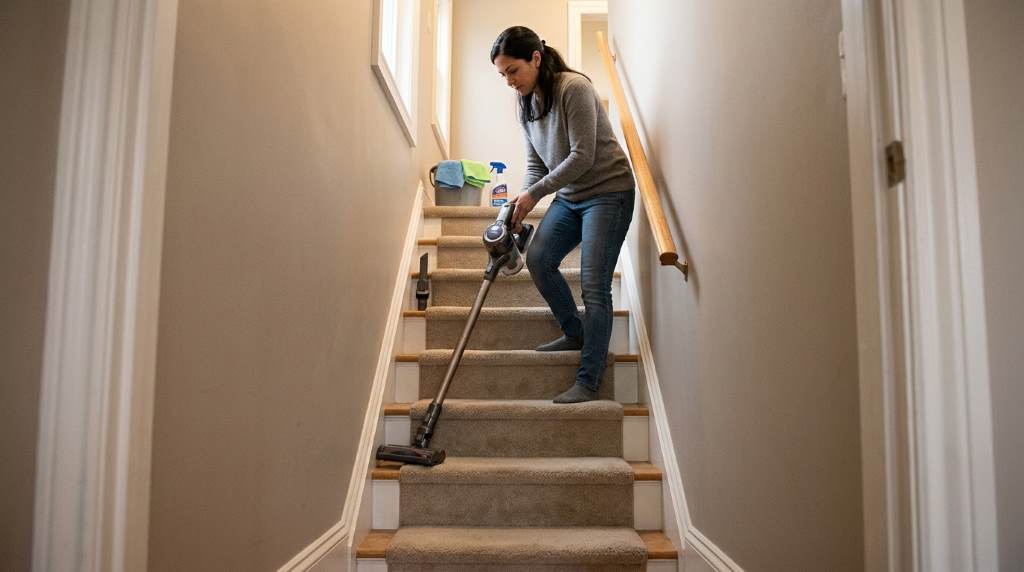
Keeping narrow stairways clean can feel challenging in many Seattle homes. Older properties often feature tight stair designs with limited movement space. According to housing data, many urban homes contain compact layouts that require specialized cleaning methods. In addition, indoor dust levels can increase during wet seasons when windows stay closed longer. Therefore, many residents rely on a compact vacuum for tight spaces to maintain cleaner stairs efficiently. Smart cleaning habits help homeowners improve safety, appearance, and indoor air quality.
Why Narrow Stair Areas Require Special Cleaning Methods
Narrow stairs collect dirt differently than wider staircases. Shoes carry debris that settles along edges and corners. Moreover, airflow often pushes dust toward wall joints and risers. As a result, traditional cleaning tools may miss important areas.
Seattle’s rainy climate adds another challenge for homeowners. Moisture from shoes often transfers onto stair surfaces. Consequently, dirt sticks more firmly and becomes harder to remove. Regular maintenance prevents buildup and keeps stairs looking fresh.
Many homeowners also notice increased dust near windows and entryways. Therefore, understanding stop dust from coming gaps can improve overall indoor cleanliness. Cleaner indoor air reduces the amount of debris reaching staircases. This simple step supports a more effective cleaning routine.
Common Dirt Problems Found on Seattle Staircases
Rainwater and Mud Transfer
Wet weather creates constant cleaning demands throughout the year. Shoes frequently bring moisture and dirt indoors. Consequently, stair treads develop stains and grime faster. Regular cleaning prevents permanent discoloration and surface damage.
Pet Hair Accumulation
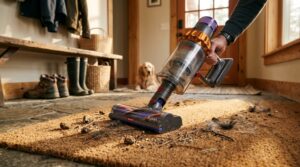
Many Seattle homeowners share their homes with pets. Pet hair easily collects in stair corners and edges. Furthermore, narrow staircases trap fur where brooms cannot reach. Effective vacuum attachments help solve this common issue.
Dust in Tight Corners
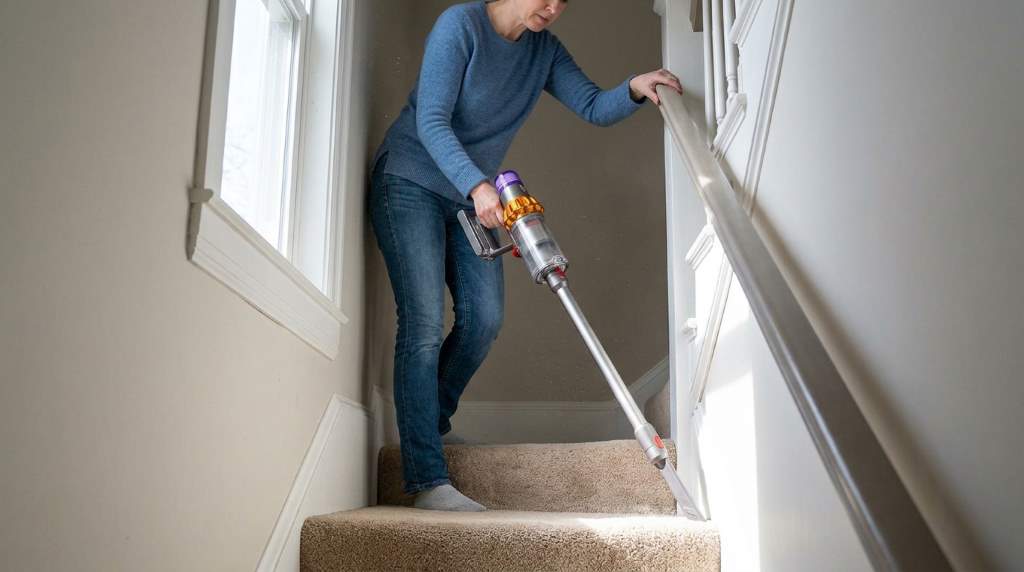
Dust often gathers where stair treads meet walls. These spaces remain difficult to reach with standard tools. Therefore, homeowners use specialized accessories for detailed cleaning. Consistent attention prevents excessive buildup over time.
Choosing the Right Cleaning Equipment
The right equipment makes stair cleaning faster and easier. Lightweight tools improve control while reducing physical strain. Additionally, compact devices fit comfortably into narrow spaces. Better equipment often produces better cleaning results.
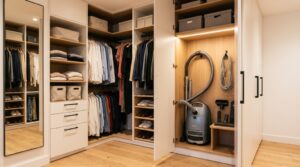
Many homeowners research choose vacuum cleaner small apartments guides because similar requirements apply to stair cleaning. Compact vacuums offer excellent maneuverability in restricted areas. Moreover, smaller units store easily in limited spaces. This combination works well for urban Seattle homes.
Useful Stair Cleaning Tools
- Compact vacuum with crevice attachment
- Microfiber dusting cloths
- Soft bristle hand brush
- Extension dust wand
- Portable steam cleaner
- Small bucket and microfiber mop
Each tool serves a specific purpose during cleaning sessions. Together, they help homeowners reach difficult areas efficiently. As a result, staircases remain cleaner between deep cleaning routines. Proper equipment also saves time.
Step by Step Method for Cleaning Narrow Stairs
Remove Loose Debris First
Begin by removing visible dirt from every stair. Work from the top step downward. This approach prevents debris from spreading onto cleaned areas. Consequently, the entire process becomes more efficient.
Use a handheld brush for larger particles. Then collect debris using a vacuum attachment. Focus carefully on corners and wall edges. Small details often make the biggest difference.
Vacuum Thoroughly
Vacuuming removes fine dust and allergens effectively. Start at the highest step and move downward gradually. Furthermore, use slow movements for better suction performance. Quick passes often leave debris behind.
Homeowners increasingly explore robotic vacuum cleaners work technologies for general floor maintenance. However, narrow stairs still require manual attention. Handheld tools provide greater precision in confined spaces. Therefore, traditional stair cleaning remains important.
Clean Stair Edges and Corners
Edges often hold stubborn dirt that vacuums cannot remove completely. Use a soft brush to loosen trapped particles. Then vacuum the area again carefully. This method improves cleaning quality significantly.
Pay special attention to baseboards and trim. Dust frequently accumulates in these overlooked areas. Consequently, detailed cleaning enhances the overall appearance. Small improvements create noticeable results.
Wipe Surfaces When Needed
Hard surface stairs benefit from occasional damp cleaning. Use a microfiber cloth with a mild cleaner. Avoid excessive moisture during the process. Too much water may damage certain materials.
For wooden stairs, choose products recommended by manufacturers. Different finishes require different maintenance approaches. Therefore, always test products in hidden areas first. This precaution reduces potential damage.
The Unique Seattle Moisture Factor
Many cleaning articles overlook a major local challenge. Seattle’s humidity and rainfall affect indoor cleaning patterns. Moisture enters homes through shoes, pets, and daily activities. Consequently, stair maintenance requires additional attention.
One uncommon issue involves microscopic moisture retention in carpeted stair fibers. These fibers can hold dampness longer than flat flooring surfaces. Therefore, dust sticks more aggressively in narrow stair areas. Regular vacuuming becomes especially important during rainy months.
Another overlooked factor involves drying airflow. Narrow staircases often receive limited air circulation. As a result, moisture evaporates more slowly than expected. Homeowners benefit from occasional ventilation improvements.
Cleaning Different Stair Materials
Carpeted Stairs
Carpet traps dust, hair, and allergens effectively. Therefore, frequent vacuuming remains essential. Use attachments designed for fabric surfaces whenever possible. Consistent care extends carpet life significantly.
Spot cleaning should happen immediately after spills occur. Quick action prevents permanent stains from forming. Moreover, fresh stains respond better to treatment. Delayed cleaning often creates bigger problems.
Wooden Stairs
Wood surfaces require gentle cleaning methods. Harsh chemicals can damage protective finishes. Instead, use cleaners designed specifically for wood. Proper products maintain appearance and durability.
Dust removal should occur before damp wiping. Otherwise, dirt may spread across the surface. This simple sequence improves cleaning efficiency. It also protects the finish from scratches.
Laminate Stairs
Laminate materials resist many common stains effectively. However, excess moisture still creates risks. Therefore, use lightly damp cloths rather than wet mops. Controlled moisture protects the material.
Regular maintenance prevents grime accumulation along seams. These areas often collect hidden dirt. Consequently, detailed cleaning improves long term appearance. Small efforts produce lasting benefits.
Safety Tips While Cleaning Narrow Staircases
Safety should always remain a top priority. Stair cleaning involves movement on elevated surfaces. Therefore, stable footing becomes extremely important. Proper precautions reduce accident risks significantly.
- Wear shoes with good traction
- Keep one hand free when possible
- Use lightweight cleaning tools
- Avoid overreaching across steps
- Clean during daylight when possible
- Remove obstacles before starting
These simple practices create a safer environment. Moreover, they improve cleaning efficiency. Better stability allows more precise movements. Consequently, homeowners complete tasks with greater confidence.
Creating a Practical Cleaning Schedule
Consistent maintenance reduces the need for intensive cleaning. Small weekly tasks prevent major buildup. Furthermore, regular routines require less effort overall. Prevention always saves time.
Weekly Tasks
- Vacuum all stair surfaces
- Dust corners and trim
- Inspect for stains
- Remove pet hair
Monthly Tasks
- Deep clean edges and corners
- Wash hard surfaces
- Check for moisture issues
- Clean railings thoroughly
This schedule works well for many Seattle households. However, larger families may require more frequent cleaning. Weather conditions also influence maintenance needs. Therefore, adjust routines as necessary.
Simple Habits That Keep Stairs Cleaner Longer
Prevention remains one of the most effective cleaning strategies. Small daily habits reduce dirt accumulation substantially. As a result, homeowners spend less time cleaning. Consistency creates noticeable improvements.
- Remove shoes near entrances
- Use quality floor mats
- Brush pets regularly
- Clean spills immediately
- Improve indoor ventilation
These habits work especially well during Seattle’s rainy seasons. Moisture management becomes easier with proactive steps. Furthermore, cleaner staircases improve overall home appearance. Every small effort contributes to better results.
Conclusion
Cleaning narrow stair areas requires a practical and consistent approach. Seattle homeowners face unique challenges from moisture, dust, and limited space. However, the right tools and techniques make maintenance much easier. Regular attention prevents buildup while protecting stair materials.
Start with simple weekly cleaning habits and upgrade your equipment when needed. Focus on corners, edges, and moisture control for the best results. Most importantly, stay consistent throughout the year. A clean staircase improves safety, comfort, and the overall look of your home.
FAQs
How often should narrow stairs be vacuumed?
Most homeowners should vacuum narrow stairs at least once each week.
What vacuum works best for narrow staircases?
A lightweight handheld or compact vacuum with attachments works best.
Can Seattle’s weather increase stair dirt buildup?
Yes, rain and moisture often bring extra dirt and debris indoors.
Are robotic vacuums suitable for stair cleaning?
No, robotic vacuums cannot safely clean most staircases.
What is the easiest way to clean stair corners?
Use a crevice tool and a soft brush to remove trapped debris.