
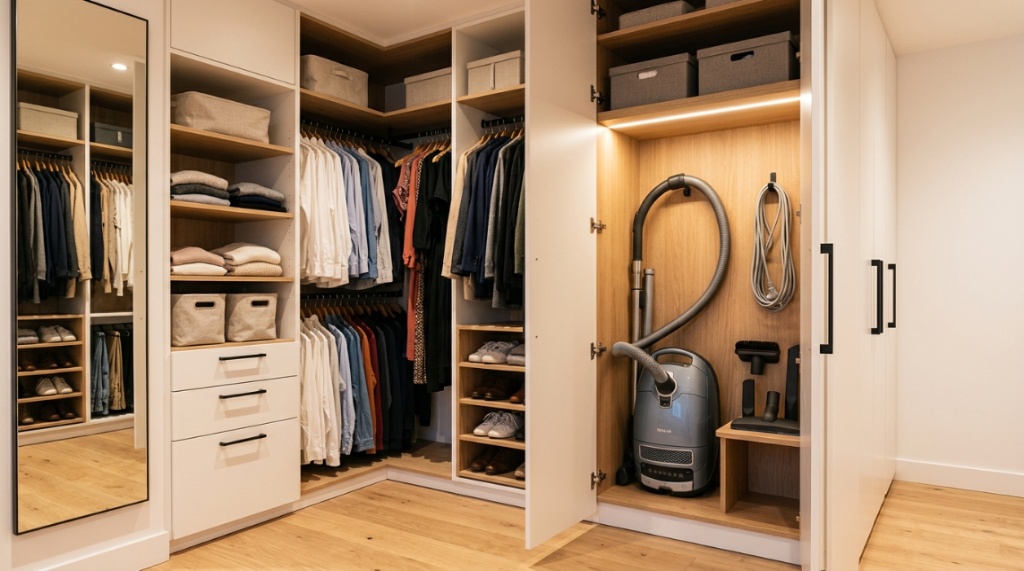
You know the frustration. You need a powerful, versatile canister vacuum, but your wallet is telling you a different story. Every model you see seems to start at a price that makes you wince. The secret isn’t about finding a cheap machine today; it is about knowing exactly where to look for a hidden budget canister vacuum that delivers premium performance without the premium price tag. The market is flooded with overpriced models, but a handful of durable, high-suction options are hiding in plain sight, often discontinued or sold under lesser-known brand names. In this guide, I will show you exactly how to uncover these value-packed machines and make a buying decision you will not regret.
What Exactly Defines a Budget Canister Vacuum?
A budget canister vacuum is typically any model priced under $200 that still offers at least 12 amps of suction, a sealed HEPA filtration system, and a minimum of three cleaning attachments. Price alone does not define value; the real metric is performance per dollar.
Understanding the Real Cost of a “Cheap” Vacuum
Many buyers look at the sticker price first. Unfortunately, a $60 vacuum that breaks in six months is far more expensive than a $180 model that lasts five years. When searching for a hidden budget canister vacuum, you must calculate the cost per use. Higher initial cost often correlates with better motor longevity and more durable plastic components. Never sacrifice motor quality for a lower upfront fee.
Why Suction Power Matters More Than Brand Name
A big brand name like Miele or SEBO commands a high price partly due to marketing. Lesser-known brands often use the same motor technology but skip the advertising overhead. A budget canister vacuum with 140 air watts will clean just as well as a premium model with the same rating, provided the brush roll design is efficient. Focus on sealed suction specifications, not the logo on the side.
Features You Should Never Compromise On
- HEPA filtration: Essential for allergy sufferers and fine dust retention.
- Automatic cord rewind: A convenience feature that prevents manual winding frustration.
- Adjustable suction control: Prevents lightweight rugs from being sucked into the nozzle.
Why Do Budget Canister Vacuums Get Hidden by Retailers?
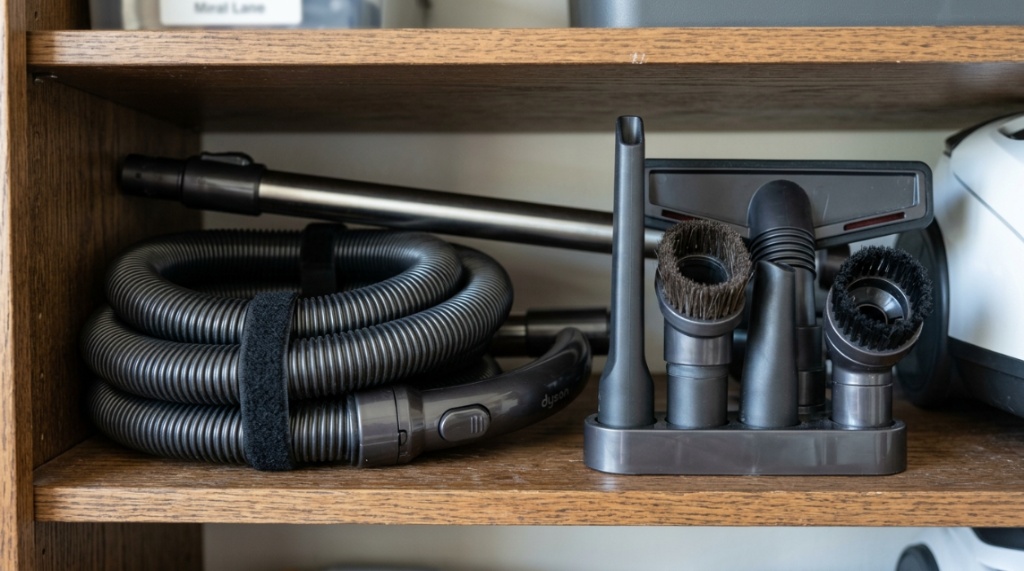
Retailers hide budget canister vacuums because they make much higher profit margins on premium models and store brands. They often bury affordable options at the bottom of search results or place them on low-visibility shelves.
The Psychology of Retail Placement
Stores want you to buy the $400 vacuum because the commission or margin is double that of a $150 model. You will frequently see budget models placed near the floor or in back aisles. Online, many retailers use algorithms that prioritize higher-priced items unless you filter specifically by price range. You have to dig beyond page one of search results to find the hidden budget canister vacuum that suits your needs.
How Discontinued Models Become Budget Goldmines
When a manufacturer releases a new model, the previous version often gets a massive price drop. Retailers do not advertise these deeply discounted models heavily because they want to clear warehouse space. Checking clearance sections on major retail sites and manufacturer outlet stores is a primary way to find a high-end vacuum at half price. The technology in a three-year-old model is often virtually identical to the latest release.
How Can You Identify a High-Quality Hidden Budget Model?
You can identify a high-quality budget canister vacuum by checking the motor warranty, the weight of the plastic components, and the user reviews regarding the cord length and hose flexibility.
Reading Between the Lines of Customer Reviews
Ignore the five-star reviews that say “great product.” Look for the three-star and four-star reviews that mention specific issues like “hose kinks easily” or “wand release button sticks.” A hidden budget model with overwhelmingly positive feedback on motor durability is a safe bet. Also, check the ratio of verified purchases to unverified ones.
Checking the Specifications That Actually Matter
- Motor type: Look for a bypass motor rather than a direct air motor; bypass motors last longer.
- Bag vs. Bagless: Bagged canister vacuums tend to have better filtration and require less maintenance, which saves money long-term.
- Weight: A budget model should be under 12 pounds for easy portability.
Tools and Attachments: The Real Value Indicator
Many budget vacuums skimp on attachments. A good hidden model will include a crevice tool, dusting brush, and a small turbo brush for furniture. If the vacuum comes with only two tools, it is likely not a good value. The presence of a wand with an LED headlight is also a strong indicator of a quality build.
Which Brands Consistently Offer Hidden Budget Canister Vacuums?
Brands like Bissell, Hoover, Eureka, and Kenmore consistently offer hidden budget canister vacuums that compete with models costing twice as much. Kenmore, in particular, has a strong history of durable canister designs.
Kenmore: The Overlooked Powerhouse
Kenmore canister vacuums are often found in discount stores or as floor models at a significant markdown. Their 200 and 600 series models feature lift-off canisters, HEPA filtration, and powerful motors. These are widely considered the best hidden value in the canister vacuum market today.
Eureka: The Quiet Contender
Eureka produces lightweight, highly maneuverable canister vacuums that are often under $150. Their Mighty Mite line is a classic choice for hard floors and quick cleanups. While not as durable as a Kenmore, they offer excellent portability and are very easy to store in small apartments.
Bissell: The Pet-Friendly Specialist
Bissell focuses on pet hair removal, and their budget canister models often come with specialized pet tools. The Bissell Zing is a well-known budget model that is widely available. It does not have HEPA filtration as standard, but it is a viable option for homes without heavy allergy concerns.
Where Is the Best Place to Search for a Hidden Budget Model?
The best places to search are manufacturer outlet websites, eBay refurbished sections, and local Facebook Marketplace listings. These channels often have models that are no longer on retail shelves.
Online Outlets and Refurbished Stores
Manufacturer outlets like Kenmore Outlet or Bissell Outlet often sell B-stock or returned units at 40% off retail. These come with a warranty. eBay certified refurbished listings are also a reliable source, often offering free shipping and a satisfaction guarantee. This is where many hidden deals live.
Local Thrift Stores and Estate Sales
Thrift stores frequently receive high-end canister vacuums from estates where the owner no longer needs them. A quick inspection of the cord and hose at the store can reveal a pristine machine. This requires patience, but the payoff can be a $300 vacuum for $25.
Can You Trust a Budget Canister Vacuum for Daily Use?
Yes, you can trust a budget canister vacuum for daily use if you select one with a proven motor reputation and a bagged design. Bagged vacuums prevent debris from clogging the motor, which is the primary cause of failure in cheap bagless models.
Daily Maintenance for Longevity
To get the most out of a budget vacuum, empty the bag when it is half full. A full bag reduces suction by up to 50% and strains the motor. Also, check the brush roll monthly for tangled hair. Budget models often have weaker bearings, so debris buildup can stop the brush from spinning.
Common Failure Points to Watch For
- Hose cracking: Often happens near the connection point. Avoid pulling the vacuum by the hose.
- Wheel breakage: Check that wheels are made of hard rubber rather than cheap plastic.
- Switch failure: A common issue on very cheap models. Look for a rocker switch as opposed to a push-button.
How Do Budget Canister Vacuums Compare to Stick Vacuums?
Budget canister vacuums offer significantly more suction power, larger dust capacities, and better filtration than stick vacuums at the same price point. A stick vacuum is convenient for quick pickups, but a canister provides a deeper clean.
Suction Performance Differences
A typical budget stick vacuum provides around 50-80 air watts of suction. A budget canister vacuum provides 130-180 air watts. This difference is immediately noticeable on carpets and when cleaning under furniture. The canister’s motor is larger and housed in a base that allows for more powerful airflow.
Which Is Better for Hardwood Floors?
For hardwood floors, a canister vacuum is superior. It has a dedicated hard floor setting that prevents the brush roll from scattering debris. Stick vacuums often scatter debris sideways, requiring multiple passes. A canister also usually comes with a bare floor brush that is gentle on wood finishes.
When Should You Replace vs. Repair a Budget Canister Vacuum?
You should replace a budget canister vacuum when the motor fails or when the cost of a new hose, cord, and filter exceeds 50% of the purchase price. Repairing cheap electronics is rarely cost-effective beyond simple part swaps.
Parts That Are Worth Replacing
Filters, bags, and brush rolls are always worth replacing. These are consumable items. If the vacuum still has strong suction and the motor sounds healthy, investing $15 in new filters can extend its life by years.
Signs It Is Time to Buy a New Model
If you hear a burning smell when the vacuum runs, the motor brushings are likely worn out. If the cord shows signs of fraying or internal wire exposure, the vacuum should be replaced for safety reasons. A plastic crack in the main body is also a definitive sign that a new purchase is needed.
How to Test a Used Budget Canister Vacuum Before Buying
To test a used budget canister vacuum, plug it in, turn it on, check the cord for hot spots, and listen for a consistent motor hum without clicking or grinding noises. Always test the suction by placing your hand over the end of the hose.
The Smell Test
Turn the vacuum on and smell the exhaust. If you smell burning dust, the motor is working too hard. If you smell ozone or electrical burning, the motor is failing. A clean vacuum should have almost no smell at all, Living in the Pacific Northwest comes with its own unique cleaning challenges, from tracked-in mud to persistent indoor moisture. If you live in the region, make sure to read our guide on how to Pick the Right Vacuum for Seattle Homes to ensure your cleaning tools can handle local weather demands..
A Checklist for Second-Hand Buyers
- Inspect the hose for cracks from end to end.
- Check the cord retraction mechanism (if applicable).
- Look at the wheels for uneven wear.
- Open the bag chamber and look for dust leakage.
- Ensure the brush roll spins freely by hand.
Frequently Asked Questions
Can a budget canister vacuum clean thick carpets?
Yes, but you need a model with a motorized power nozzle that has adjustable height settings. Budget models without a power nozzle will struggle on thick shag or high-pile carpets.
How long does a budget canister vacuum typically last?
With proper maintenance, a budget canister vacuum from a reputable brand like Kenmore or Bissell can last between 3 to 7 years. Bagless models tend to have a shorter lifespan due to motor stress from dust clogs.
Are bagless canister vacuums cheaper to own than bagged?
Initially, yes, because you do not buy bags. However, bagless vacuums require filter replacements every 3-6 months, and the dust bin can harbor bacteria. Bagged models often provide better overall value over five years due to superior filtration.
What is the most important feature on a budget canister vacuum?
The most important feature is the presence of a sealed HEPA filtration system. This ensures that fine dust and allergens are trapped inside the vacuum rather than being blown back into the room.
Can I use a budget canister vacuum on hardwood floors?
Yes, most budget canister vacuums come with a hardwood floor setting or a dedicated bare floor brush that prevents scratching. Always ensure the brush roll can be turned off or switched to a hard floor mode.
Where can I find replacement bags for discontinued budget models?
Third-party brands like EnviroCare and SmartWay manufacture universal bags that fit many discontinued models. Always check the model number against the bag compatibility chart before purchasing.
Is a 12-amp motor enough for a budget canister vacuum?
Yes, a 12-amp motor is generally sufficient for most home cleaning tasks, including low-pile carpets and hard floors. It provides a good balance of power and energy efficiency for a budget model.
Conclusion
Finding a hidden budget canister vacuum is not about luck; it is about knowing where to look, what to check, and which brands offer true value. You now have the tools to bypass overpriced models and find a machine that provides powerful suction, reliable filtration, and lasting durability for a fraction of the cost. Start your search by checking factory outlets, reading reviews for specific long-term wear points, and never judging a vacuum by its brand sticker alone. Remember, a well-chosen budget vacuum will clean your home just as effectively as a premium model, leaving you with more money in your pocket and floors that shine. Take the first step today and explore the options that fit your specific needs and your budget.