

Colorado, with its majestic mountain vistas, vibrant cities, and thriving outdoor culture, has become a magnet for people from all walks of life. The allure of skiing in Vail, hiking in Rocky Mountain National Park, and the burgeoning tech scene in Denver has sparked a surge of interest from international buyers. But a crucial question lingers: Can foreigners buy property in Colorado?
The short answer is a resounding yes. The United States, and consequently Colorado, does not impose restrictions on foreign nationals purchasing real estate. This open-door policy makes Colorado a potentially attractive investment destination for those looking to diversify their portfolios or establish a foothold in the American West. However, while the legal framework is welcoming, the process comes with unique considerations and complexities that potential buyers must navigate.
Understanding the Legal Landscape: No Citizenship Required
Unlike some countries with stringent regulations on foreign ownership, the U.S. operates on a principle of open investment. This means that non-citizens, including those without a green card or visa, can legally purchase and own real estate in Colorado. There are no specific residency requirements or quotas restricting foreign buyers. This fundamental aspect removes a significant hurdle and opens the Colorado property market to a global audience.
However, it’s vital to differentiate between ownership and immigration status. Purchasing property does not grant the buyer any immigration privileges or expedite the process of obtaining a visa or residency. The process of buying a home is distinct from the complexities of immigration law.
Financing the Dream: Mortgages for Foreign Buyers
Securing financing is often a critical step in any real estate transaction. For foreign buyers, obtaining a mortgage in Colorado can be more challenging than for U.S. citizens. Lenders typically require more documentation and may impose stricter lending criteria to mitigate the perceived risk associated with foreign borrowers.
Key factors that lenders consider include:
- Credit History: Establishing a U.S. credit history can be difficult for foreigners. Lenders may rely on international credit reports or require a larger down payment to compensate for the lack of established credit in the U.S.
- Income Verification: Lenders will need to verify the borrower’s income, which can be more complex when dealing with foreign income sources. Documentation such as tax returns, bank statements, and employment letters may be required, often translated and notarized.
- Down Payment: Foreign buyers may be required to put down a larger percentage of the purchase price, often ranging from 30% to 50%, compared to the typical 20% for U.S. citizens.
- Asset Verification: Lenders may require verification of the borrower’s assets, including bank accounts, investments, and other real estate holdings.
- ITIN (Individual Taxpayer Identification Number): While not always mandatory, having an ITIN can simplify the mortgage application process. It allows the IRS to track tax payments from individuals who don’t have a Social Security number.
It’s crucial to work with a mortgage lender experienced in handling foreign national loans. They can guide you through the specific requirements and help you navigate the intricacies of the process.
The Tax Implications: Understanding FIRPTA and More
Purchasing property in Colorado as a foreigner triggers certain tax obligations. The Foreign Investment in Real Property Tax Act (FIRPTA) is a federal law that requires buyers of U.S. real estate from foreign sellers to withhold a portion of the sale proceeds for potential tax liabilities.
Key aspects of FIRPTA include:
- Withholding Requirement: The buyer is generally required to withhold 15% of the gross sales price, which is then remitted to the IRS.
- Exemptions: Certain exemptions may apply, such as when the property is sold for less than $300,000 and the buyer intends to use it as a primary residence.
- Tax Filing: Foreign sellers are required to file a U.S. tax return to report the sale and determine their actual tax liability.
Beyond FIRPTA, foreign property owners may also be subject to state and local property taxes, as well as potential income taxes if the property is rented out. It’s essential to consult with a tax professional specializing in international real estate to understand your specific tax obligations.
Navigating the Colorado Market: Finding the Right Property
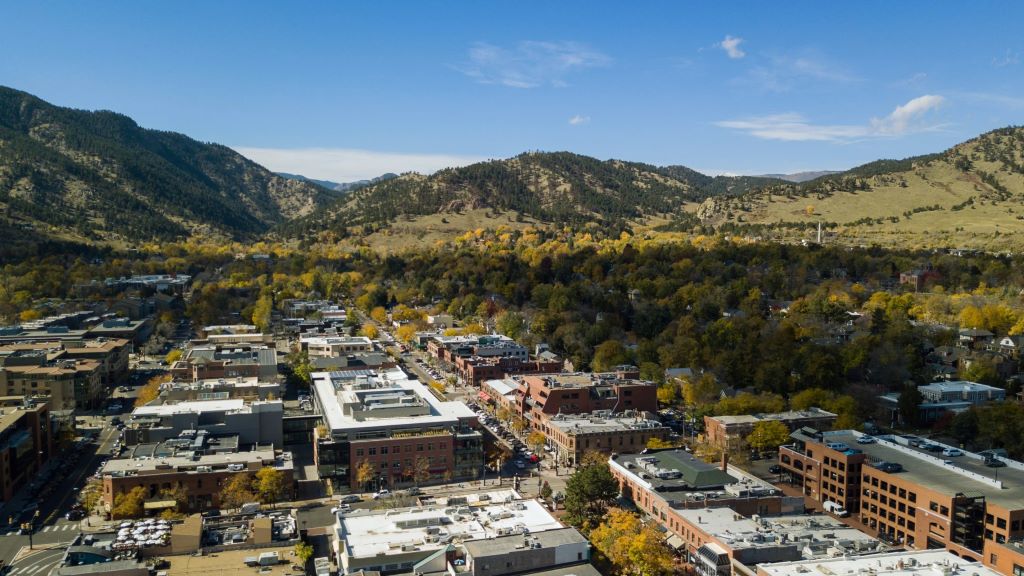
Colorado’s real estate market is diverse, offering a wide range of properties to suit different needs and preferences. From luxurious mountain chalets to modern urban condos, the options are abundant.
When searching for property, consider factors such as:
- Location: Colorado’s geography varies significantly, from the bustling urban areas of Denver and Boulder to the serene mountain towns of Aspen and Telluride. Choose a location that aligns with your lifestyle and investment goals.
- Property Type: Determine the type of property that best suits your needs, whether it’s a single-family home, condo, townhouse, or land.
- Budget: Establish a realistic budget that accounts for the purchase price, closing costs, taxes, and potential maintenance expenses.
- Real Estate Agent: Partner with a real estate agent experienced in working with foreign buyers. They can provide valuable insights into the local market and guide you through the entire transaction process.
- Language and Culture: If you are not familiar with the local language or culture, consider working with a real estate agent who speaks your language and understands your cultural background.
The Closing Process: Due Diligence and Documentation
The closing process in Colorado involves several steps, including:
- Due Diligence: Conduct thorough due diligence to ensure the property is free from any encumbrances or defects. This may involve obtaining a title search, property inspection, and appraisal.
- Purchase Agreement: Review and sign the purchase agreement, which outlines the terms and conditions of the sale.
- Escrow: Deposit the earnest money into an escrow account, which will be held until the closing is completed.
- Closing Documents: Review and sign the closing documents, which transfer ownership of the property to the buyer.
- Title Insurance: Obtain title insurance to protect against any potential claims against the property’s title.
It is highly recommended to have a real estate attorney review all the legal documents before signing.
Chasing the Colorado Dream: The Cost of a 3-Bedroom Home in Colorado
People Also Ask (FAQs):
Q: Do I need a visa to buy property in Colorado?
A: No, you do not need a visa to buy property in Colorado. However, owning property does not grant you any immigration privileges.
Q: Can I get a mortgage as a foreigner in Colorado?
A: Yes, you can get a mortgage, but it may be more challenging than for U.S. citizens. You may need a larger down payment and more documentation.
Q: What taxes do I have to pay as a foreign property owner in Colorado?
A: You may be subject to FIRPTA withholding, state and local property taxes, and potential income taxes if you rent out the property.
Q: Can I rent out my property in Colorado?
A: Yes, you can rent out your property, but you will need to comply with local regulations and tax obligations.
Q: Do I need a real estate agent to buy property in Colorado?
A: While not mandatory, it is highly recommended to work with a real estate agent, especially one experienced in working with foreign buyers.
Q: What is FIRPTA?
A: FIRPTA is the Foreign Investment in Real Property Tax Act, a federal law that requires buyers of U.S. real estate from foreign sellers to withhold a portion of the sale proceeds for potential tax liabilities.
Q: How do I find a mortgage lender who works with foreign buyers?
A: Search for lenders specializing in international mortgages or consult with a real estate agent who can recommend reputable lenders.
Q: What documents do I need to provide for a mortgage application as a foreigner?
A: You may need to provide documents such as passport copies, income verification, bank statements, credit reports, and tax returns.
Q: Can I buy a vacation home in Colorado as a foreigner?
A: Yes, you can buy a vacation home in Colorado.
Q: Are there any restrictions on the type of property I can buy in Colorado as a foreigner?
A: Generally, no. However, some homeowner associations or specific developments may have restrictions.
By understanding the legal framework, financing options, tax implications, and market dynamics, foreign buyers can confidently navigate the Colorado real estate landscape and realize their dream of owning a piece of the Rocky Mountain paradise. Remember to seek professional advice from real estate agents, attorneys, and tax advisors to ensure a smooth and successful transaction.
Read More:
DECIPHERING COLORADO SPRINGS PROPERTY TAXES: A COMPREHENSIVE GUIDE
FINDING THE BEST HOME INSURANCE IN COLORADO SPRINGS: YOUR GUIDE TO PROTECTION AND PEACE OF MIND