
Colorado, the Centennial State, boasts a rich and vibrant history, shaped by dramatic landscapes, diverse cultures, and a spirit of exploration and resilience. From ancient indigenous civilizations to modern-day innovations, Colorado’s Storied Past is an epic tale of human endeavor, conflict, and triumph. This article delves deep into the significant historical events that have molded Colorado into the state we know and love today, offering a comprehensive overview and answering frequently asked questions.
Early Inhabitants and Indigenous Cultures
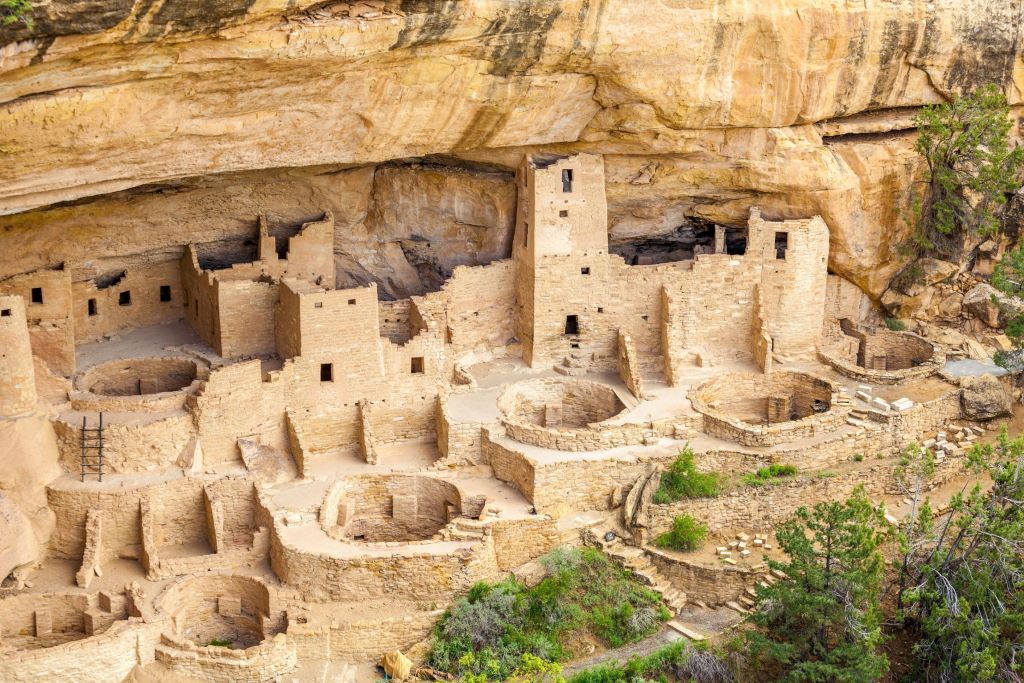
Long before European settlers arrived, Colorado was home to a diverse array of indigenous tribes. Evidence suggests human presence in the region dating back at least 13,000 years. The Ancestral Puebloans, known for their remarkable cliff dwellings at Mesa Verde, thrived in southwestern Colorado for centuries, leaving behind a legacy of sophisticated architecture and cultural traditions. Other prominent tribes included the Ute, Arapaho, Cheyenne, and Comanche, each with their unique customs and relationship to the land. These indigenous communities shaped Colorado’s early history, and they continue to influence the state today.
Spanish Exploration and Territorial Disputes
The arrival of Spanish explorers in the 16th century marked a turning point in Colorado’s history. Francisco Vázquez de Coronado, in his quest for the mythical Seven Cities of Gold, led an expedition through the region in 1540, claiming the land for Spain. However, Spanish presence remained limited, and the vast territory remained largely under indigenous control. In the 18th century, competition for control of the region intensified as French explorers and fur traders ventured into the Rocky Mountains. The Louisiana Purchase of 1803 transferred ownership of eastern Colorado to the United States, setting the stage for further exploration and settlement.
The Pike Expedition and Early American Exploration
In 1806, Lieutenant Zebulon Pike led an expedition into the southern Rockies, commissioned by President Thomas Jefferson to explore the newly acquired territory. Pike’s expedition, though ultimately unsuccessful in its primary objective of finding the source of the Red River, provided valuable information about the region’s geography and resources. Pike’s Peak, a majestic mountain named in his honor, became a symbol of Colorado’s natural beauty and a beacon for future explorers and settlers.
The Gold Rush and Statehood
The discovery of gold near Denver in 1858 triggered a massive influx of prospectors, transforming Colorado’s landscape and demographics. Boomtowns sprang up overnight, and the population surged. The Pikes Peak Gold Rush fueled rapid economic growth and development. However, it also led to conflicts with indigenous tribes and environmental degradation. Despite the challenges, settlers established Colorado Territory in 1861, and the Union officially admitted the state on August 1, 1876, earning it the nickname “Centennial State.”
Industrialization and Economic Development

The late 19th and early 20th centuries saw significant industrial growth in Colorado, driven by mining, agriculture, and railroads. The discovery of silver in Leadville fueled another boom, and the state became a major producer of precious metals. The expansion of the railroad network connected Colorado to national markets, facilitating trade and transportation. Agriculture flourished in the fertile plains, and cities like Denver and Pueblo grew into major urban centers.
Social and Political Movements
Colorado’s history is also marked by social and political movements that have shaped the state’s identity. The women’s suffrage movement gained momentum in Colorado. This led the state to grant women the right to vote in 1893, well before the national amendment. The labor movement also played a significant role, with miners and railroad workers organizing to demand better working conditions and wages. The Civil Rights movement of the 20th century brought about significant changes, challenging segregation and discrimination.
Modern Colorado and the 21st Century
In recent decades, Colorado has experienced rapid population growth and economic diversification. The rise of the technology and tourism industries has transformed the state’s economy, attracting new residents and businesses. Colorado’s stunning natural beauty, outdoor recreation opportunities, and vibrant cultural scene have made it a popular destination for visitors and a desirable place to live. The state continues to grapple with challenges such as environmental conservation, affordable housing, and social equity, but remains a dynamic and forward-looking state with a rich and complex history.
Reviews
Colorado’s historical sites and museums offer visitors a chance to immerse themselves in the state’s fascinating past. Here are a few reviews of popular historical attractions:
- Mesa Verde National Park: “A must-see for anyone interested in ancient history and indigenous cultures. The cliff dwellings are awe-inspiring, and the ranger-led tours are informative and engaging.” – TripAdvisor reviewer
- Bent’s Old Fort National Historic Site: “A well-preserved glimpse into the fur trade era. The living history demonstrations bring the past to life. The fort itself is a marvel of 19th-century construction.
- Molly Brown House Museum: “A fascinating look into the life of the ‘Unsinkable’ Molly Brown, a Titanic survivor and social activist. The house is beautifully restored, and the exhibits are well-curated.” – Yelp reviewer
- History Colorado Center: “A modern and interactive museum that tells the story of Colorado from its earliest inhabitants to the present day. The exhibits are engaging for all ages, and the special events are a great way to learn more about specific topics.” – Facebook reviewer
Local Honey Spring Pollinator Gardens: Transforming Colorado Homes into Thriving Ecosystems
FAQs
Q: What is the oldest town in Colorado?
A: San Luis, founded in 1851, is considered the oldest continuously inhabited town in Colorado.
Q: What is Colorado’s state nickname?
A: Colorado’s official nickname is the “Centennial State,” as it was admitted to the Union in 1876, the centennial year of the United States.
Q: What is the highest peak in Colorado?
A: Mount Elbert, at 14,440 feet, is the highest peak in Colorado and the second-highest peak in the contiguous United States.
Q: What is Colorado known for?
A: Colorado is known for its stunning natural beauty, diverse landscapes, outdoor recreation opportunities, and thriving craft beer scene.
Q: What are some famous people from Colorado?
A: Notable Coloradans include astronaut Scott Carpenter, musician John Denver, and actor Tim Allen.
Conclusion
Indigenous peoples, explorers, settlers, and innovators have woven Colorado’s history into a rich tapestry of diverse contributions. From ancient cliff dwellings to modern cities, the state’s landscape bears witness to a rich and complex past. By exploring Colorado’s historical events, we gain valuable insights into its past. This deeper understanding helps us appreciate the forces that have shaped this unique and dynamic state. Whether you’re a history buff or just curious, Colorado’s past has something for everyone. Its storied history is filled with fascinating discoveries waiting to be explored.
Read More:
A JOURNEY THROUGH TIME: EXPLORING THE RICH HISTORY OF COLORADO SPRINGS