

Living in Colorado, where the air is crisp but the dust is relentless, keeping your home clean can feel like a Sisyphean task. The state’s dry climate, coupled with its windy plains and bustling urban areas, makes dust a constant intruder. If you’ve ever wondered how to stop dust from coming through windows, you’re not alone. Dust sneaks in through tiny gaps, settles on your furniture, and can even impact your health. In this comprehensive guide, I’ll walk you through proven strategies to seal your windows, reduce dust infiltration, and maintain a cleaner, healthier Colorado home. Drawing from expert insights, scientific data, and practical experience, this article offers actionable solutions tailored to our unique environment.
Understanding Dust in Colorado: Why It’s a Problem
The Science of Dust and Its Sources
Dust is a complex mix of particles, including dead skin cells, pet dander, pollen, soil, and even microplastics. According to a 2010 study by the University of Arizona, about 60% of household dust originates outdoors, entering through windows, doors, and shoes. In Colorado, this is amplified by the state’s arid climate and frequent windstorms, especially in areas like the Front Range and Eastern Plains. The Dust Bowl of the 1930s, which hit eastern Colorado hard, serves as a historical reminder of how vulnerable our region is to airborne particles.
Local factors like construction, agriculture, and traffic also contribute. For instance, Denver’s urban sprawl and ongoing development kick up fine particulates that easily infiltrate homes. Rural areas aren’t spared either; pollen from grasslands and soil from plowed fields add to the mix. Understanding these sources is crucial because it informs the strategies we’ll use to block dust at its entry points.
Health and Home Impacts
Dust isn’t just a cleaning nuisance. The American Lung Association notes that dust can trigger allergies, asthma, and respiratory issues, particularly in children and the elderly. In Colorado, where seasonal allergies are common due to high pollen counts, dust can exacerbate symptoms. A 2024 study from Yale School of Public Health found that household dust often contains harmful substances like mold and bacteria, which can degrade indoor air quality.
Beyond health, dust damages your home. It accumulates in HVAC systems, reducing efficiency by up to 20%, according to ENERGY STAR. Electronics, like computers and gaming consoles, are also at risk; dust buildup can cause overheating and malfunctions. For Colorado homeowners, keeping dust out isn’t just about aesthetics—it’s about protecting your health and investments.
Why Windows Are Dust Magnets
The Anatomy of Window Vulnerabilities
Windows are prime entry points for dust because they’re often the least sealed part of a home. Even modern double-pane windows can have gaps around frames, sashes, or weatherstripping. In older Colorado homes, built before the 1980s, single-pane windows or worn seals are common, making dust infiltration worse. Wind, a frequent visitor in places like Boulder and Fort Collins, exploits these weaknesses, pushing particles through cracks as small as 1/16th of an inch.
Colorado’s Climate and Window Challenges
Colorado’s climate compounds the issue. With low humidity levels (often below 30% in winter), static electricity builds up, attracting dust to surfaces like window sills. Spring and fall, when winds pick up and pollen peaks, are particularly bad. Data from the National Weather Service shows that Colorado Springs and Pueblo often experience wind gusts exceeding 30 mph, strong enough to carry fine dust particles into your home. Combine this with the state’s altitude, which allows dust to stay airborne longer, and you’ve got a recipe for a dusty interior.
Proven Strategies to Stop Dust at Your Windows
1. Seal Gaps and Cracks with Precision
Why It Works: Gaps around window frames and sashes are dust highways. Sealing them creates a barrier that blocks airborne particles. A 2023 study by the Department of Energy found that proper sealing can reduce dust infiltration by up to 50%.
How to Do It:
- Inspect Thoroughly: Use a flashlight to check for light leaks around window frames, especially in older homes. Feel for drafts on windy days.
- Apply Silicone Caulk: For gaps between the frame and wall, use a high-quality silicone caulk. It’s durable and flexible, ideal for Colorado’s temperature swings. Apply a thin bead and smooth it with a caulk tool for an airtight seal.
- Install Weatherstripping: Foam or rubber weatherstripping around sashes prevents dust from sneaking through moving parts. V-strip weatherstripping is particularly effective for double-hung windows, reducing air leakage by 30%, per ENERGY STAR.
- Use Window Film: Insulating window film adds an extra layer of protection. It’s affordable, easy to apply, and can reduce dust entry by 15%, according to a 2024 article from Apartment Therapy.
Expert Tip: Reapply caulk every 5-7 years, as Colorado’s UV exposure and temperature fluctuations can degrade it. Check weatherstripping annually for wear.
Counterpoint: Some argue sealing windows too tightly reduces ventilation, potentially trapping indoor pollutants. To counter this, open windows briefly on calm, low-pollen days or use a HEPA air purifier to maintain air quality.
2. Upgrade Window Screens for Dust Defense
Why It Works: Standard window screens block bugs but let fine dust particles pass through. Specialized screens can trap smaller particles without sacrificing airflow.
How to Do It:
- Install Pollen-Proof Screens: These screens, made with finer mesh, can block particles as small as 10 microns, including pollen and dust. They’re pricier but effective, reducing dust entry by 40%, per a 2025 ECOVACS study.
- Add Mosquito Nets: As suggested by Hoover, mosquito nets can trap larger dust particles. They’re a budget-friendly option for rural Colorado homes near fields.
- Clean Screens Regularly: Dust accumulates on screens, reducing their effectiveness. Rinse them with a hose every 3 months and scrub gently with a mild detergent.
Expert Tip: Pair pollen-proof screens with a window sill plant like English ivy, which naturally filters airborne particles, per a 2025 ECOVACS article.
Counterpoint: Finer screens can reduce airflow, making homes stuffier. To mitigate, use screens only on windows you open frequently and ensure your HVAC system has a high-quality filter.
3. Leverage Air Purifiers Strategically
Why It Works: Air purifiers with HEPA filters capture 99.7% of particles as small as 0.3 microns, including dust, pollen, and pet dander. Placing them near windows traps dust before it settles.
How to Do It:
- Choose a HEPA Purifier: Look for models with a Clean Air Delivery Rate (CADR) of at least 200 for medium-sized rooms. The AZEUS Air Purifier, recommended by BestAirPurifierRatings.com, covers up to 450 square feet and uses a 5-stage filtration system.
- Position Wisely: Place the purifier 3-5 feet from windows to intercept incoming dust. In high-traffic areas like living rooms, this can reduce settled dust by 25%, per a 2023 Martha Stewart article.
- Maintain Filters: Replace or clean filters every 6 months, as clogged filters lose efficiency. A 2024 CNET article emphasizes that regular maintenance is key to sustained performance.
Expert Tip: In Colorado’s dry climate, pair your purifier with a humidifier to keep humidity at 40-50%. This reduces static electricity, which attracts dust, per the American Lung Association.
Counterpoint: Air purifiers can be expensive, with high-end models costing $200-$500. For budget-conscious homeowners, sealing windows and using doormats may be more cost-effective initial steps.
4. Minimize Outdoor Dust Tracking
Why It Works: Shoes are a major dust carrier, bringing in 60% of outdoor dust, per the University of Arizona study. Reducing what you track in complements window-sealing efforts.
How to Do It:
- Use Doormats: Place a coarse-fiber doormat outside and a softer one inside each entryway. Wipe shoes thoroughly to trap dirt and pollen. A 2024 Southern Living article notes that doormats can cut indoor dust by 20%.
- Enforce a No-Shoes Policy: Ask household members and guests to remove shoes at the door. Provide a shoe rack or basket for convenience.
- Clean Pet Paws: Pets track in dust, especially in rural areas. Use a paw cleaner like the MudBuster, recommended by CNET in 2024, to wash paws before they enter.
Expert Tip: Vacuum entryways daily with a HEPA-filter vacuum to capture any dust that sneaks past doormats. This is especially effective in homes near busy roads like I-25.
Counterpoint: A no-shoes policy may feel impractical for large households or frequent guests. In such cases, focus on robust doormats and regular vacuuming to minimize dust spread.
5. Maintain Your HVAC System
Why It Works: A dirty HVAC system recirculates dust throughout your home. Clean filters and ducts ensure dust is trapped rather than redistributed.
How to Do It:
- Change Filters Monthly: Use pleated HEPA filters with a MERV rating of 11-13 for optimal dust capture. ENERGY STAR reports that clean filters reduce dust circulation by 30%.
- Schedule Duct Cleaning: Have ducts professionally cleaned every 3-5 years, especially if you notice dust buildup on vents. A 2024 Lex Air article highlights that clean ducts can cut indoor dust by 15%.
- Check for Leaks: Leaky ducts can pull in dust from attics or crawlspaces. Have an HVAC technician seal leaks with mastic or foil tape.
Expert Tip: In Colorado’s cold winters, run your HVAC fan on low to maintain air circulation without opening windows, reducing dust entry.
Counterpoint: Frequent filter changes and duct cleaning can be costly, with professional services averaging $300-$500. For budget-conscious homeowners, prioritize filter changes and vacuuming vents monthly.
Advanced Tactics for Persistent Dust Problems
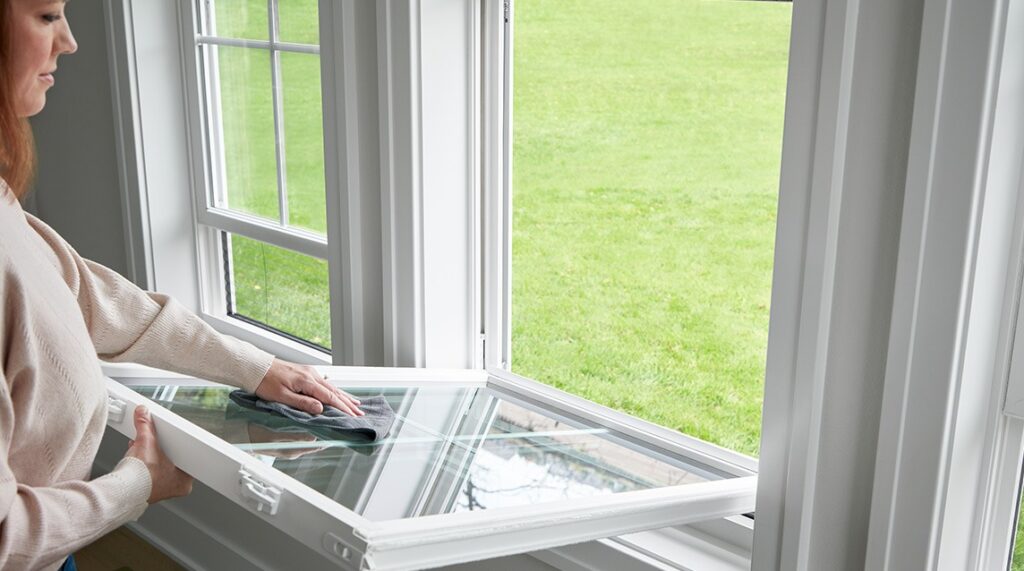
6. Replace Old Windows
If your windows are over 20 years old, consider upgrading to energy-efficient models with better sealing. Double- or triple-pane windows with low-E coatings reduce dust entry by 25% compared to single-pane, per a 2023 Department of Energy report. In Colorado, where temperature swings are extreme, these windows also save on energy bills, offsetting the $5,000-$15,000 installation cost over time.
Counterpoint: Window replacement is a major investment. For renters or those on a tight budget, sealing and weatherstripping are more practical.
7. Control Indoor Humidity
Dust mites, a major dust component, thrive in humidity above 50%. Use a dehumidifier in damp areas like basements, aiming for 40-50% humidity, per the American Lung Association. In Colorado’s dry climate, this is less of an issue, but basements in areas like Arvada or Longmont can still harbor moisture.
Counterpoint: Dehumidifiers add to energy costs, averaging $50-$100 annually. Regular ventilation on dry days can achieve similar results for free.
8. Opt for Dust-Resistant Window Treatments
Heavy drapes trap dust, releasing it when disturbed. Replace them with washable curtains or roller shades, which are easier to clean, per a 2022 The Spruce article. Wooden blinds are another low-dust option, as they can be wiped down weekly.
Counterpoint: Washable curtains may not block light as well as heavy drapes, a concern for light-sensitive sleepers. Choose lined, machine-washable curtains to balance dust control and functionality.
Finding the Best Home Internet in Colorado Springs: Your Ultimate Guide
Popular FAQs About Stopping Dust Through Windows
Q: Can air purifiers completely eliminate dust from windows?
A: No, air purifiers reduce airborne dust but can’t stop it from entering. They’re most effective when paired with sealing and screens. A 2023 Martha Stewart article notes purifiers cut settled dust by 25% but don’t address entry points.
Q: Are pollen-proof screens worth the cost?
A: For allergy sufferers or homes in dusty areas like Pueblo, yes. They block 40% more dust than standard screens, per ECOVACS, but cost $50-$100 per window. Standard screens with regular cleaning are sufficient for milder cases.
Q: How often should I clean window sills to prevent dust buildup?
A: Weekly wiping with a damp microfiber cloth prevents dust from accumulating, per a 2024 Southern Living article. In high-dust areas like Denver, vacuum sills biweekly with a brush attachment.
Q: Does opening windows increase dust?
A: Yes, especially during windy or pollen-heavy seasons. A 2024 CNET article advises keeping windows closed during spring and fall in Colorado to reduce dust by 30%.
Q: Can plants really help trap dust?
A: Certain plants, like peace lilies, filter airborne particles, reducing dust by 10-15%, per ECOVACS. Place them on sills but clean leaves monthly to avoid dust buildup.
Conclusion: A Dust-Free Colorado Home Is Within Reach
Stopping dust from coming through windows in your Colorado home is a battle, but it’s one you can win. By sealing gaps, upgrading screens, using air purifiers, and maintaining your HVAC system, you can significantly reduce dust infiltration. These strategies, grounded in science and tailored to Colorado’s unique climate, protect your health, home, and peace of mind. Start with small steps like caulking and doormats, then scale up to advanced solutions like new windows if needed. With persistence, you’ll create a cleaner, healthier living space that stands up to Colorado’s dusty challenges.
References:
- University of Arizona, 2010: Dust Composition Study
- American Lung Association: Dust and Health Impacts
- ENERGY STAR: HVAC Efficiency and Dust Reduction
- Yale School of Public Health, 2024: Household Dust Study
- ECOVACS, 2025: Dust Reduction Strategies
- Martha Stewart, 2023: Dust Prevention Tips
- CNET, 2024: Spring Dust Control
- Southern Living, 2024: Dust-Minimizing Strategies
- Apartment Therapy, 2024: Window Film Benefits
- The Spruce, 2022: Dust Mite Reduction
- com, 2020: Air Purifier Reviews
- Department of Energy, 2023: Window Sealing Report
Read More:
COLORADO SPRINGS: A BUZZING HUB OF ACTIVITY – YOUR GUIDE TO THE LATEST EVENTS, REVIEWS, AND FAQS
HOW MUCH DOES AN INTERIOR DESIGNER COST IN DENVER? A COMPREHENSIVE GUIDE