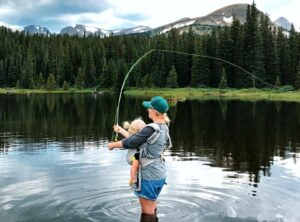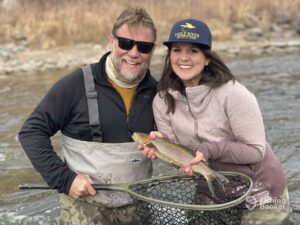
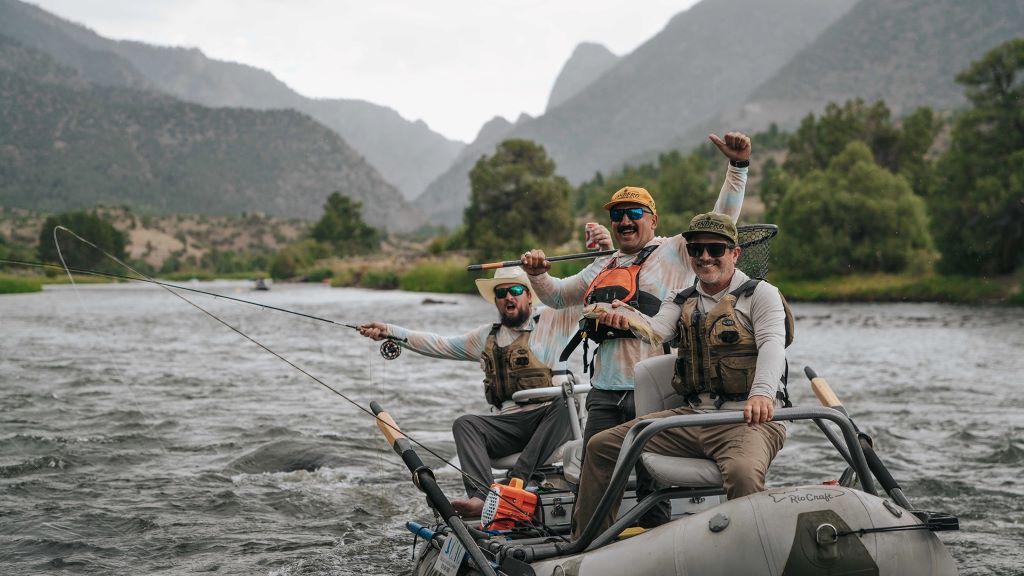
The Colorado River, a lifeline carving its way through the heart of the American West, isn’t just a geological marvel – it’s a legendary fishing destination. From its pristine headwaters in the Rocky Mountains to the warmer stretches closer to the Utah border, this iconic river offers an unparalleled angling experience for every skill level. Whether you’re a seasoned fly fisherman chasing trophy trout or a family looking to cast a line for an afternoon, this comprehensive guide will equip you with everything you need to know for a successful and memorable Colorado River fishing trip.
A River of Riches: Understanding the Colorado’s Diverse Fisheries
The sheer length and varied topography of the Colorado River mean a diverse range of fishing opportunities and species. You’ll find distinct sections, each with its unique characteristics and target fish:
- Upper Colorado (Headwaters to Kremmling): This is classic Rocky Mountain trout country. The colder, faster-flowing waters here are teeming with various trout species. Think crystal-clear streams, stunning mountain backdrops, and challenging but rewarding fly-fishing.
- Middle Colorado (Kremmling to Glenwood Springs): As the river widens and slows, it offers a mix of wade and float fishing. This section is known for its prolific hatches and the chance to land larger trout.
- Lower Colorado (Below Glenwood Springs to the Utah Border): While still holding trout in some areas, the lower stretches become warmer and offer a wider array of species, including various bass and catfish.
What’s Biting? A Guide to Colorado River Fish Species
The Colorado River is a veritable smorgasbord for anglers. Here’s a rundown of the most sought-after species you’re likely to encounter:
- Trout (Rainbow, Brown, Cutthroat, Brook, Cutbows): Without a doubt, trout are the superstars of the Colorado River, especially in its upper and middle sections.
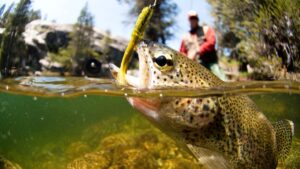
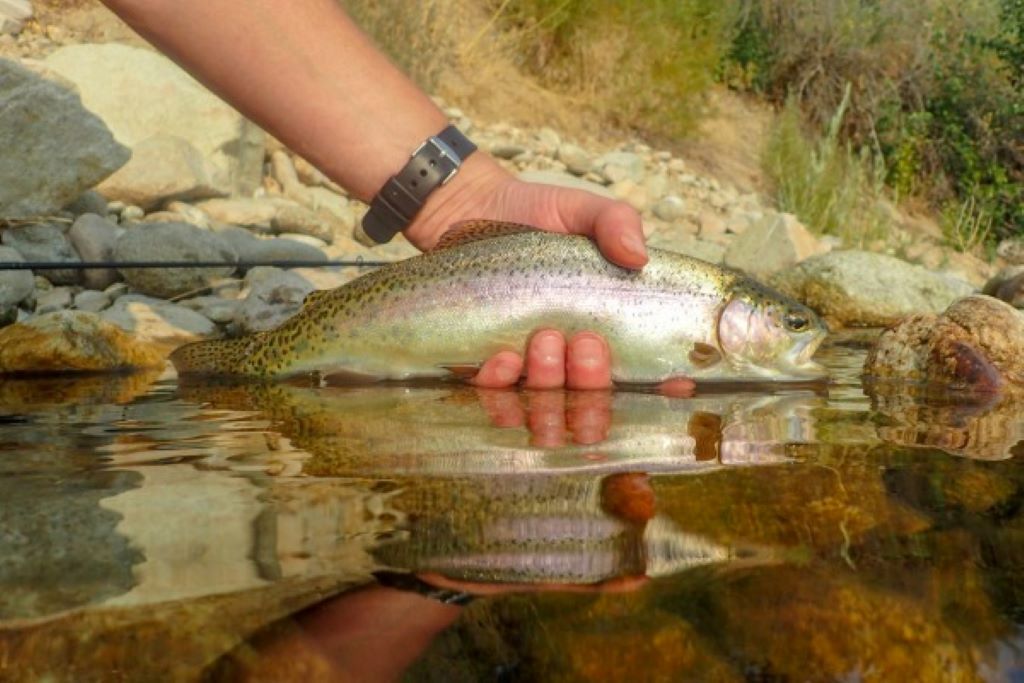
- Rainbow Trout: Known for their vibrant colors and acrobatic fights, rainbows are abundant and a favorite among fly anglers.
- Brown Trout: Often larger and more elusive, brown trout are prized for their intelligence and strength. They tend to be more active in lower light conditions.
- Cutthroat Trout: Colorado’s native trout, these beautiful fish are a true testament to the river’s wild spirit. Several subspecies, like the Colorado River Cutthroat Trout, are found here.
- Brook Trout: Smaller but feisty, brook trout are often found in the colder tributaries and higher elevation sections.
- Cutbows: A sterile hybrid of rainbow and cutthroat trout, offering a unique blend of characteristics.
- Bass (Largemouth, Smallmouth, White Bass): As you move downstream into warmer waters, particularly reservoirs and wider river sections, bass become a primary target. They offer exciting topwater action and strong fights.
- Catfish (Channel Catfish, Flathead Catfish): These bottom-dwellers provide excellent sport and table fare, especially in the slower, deeper sections of the lower river.
- Northern Pike: An aggressive predatory fish found in some areas, offering a thrilling challenge for anglers.
- Walleye: Popular for their delicious fillets, walleye are present in certain reservoirs and river stretches.
- Kokanee Salmon: Land-locked sockeye salmon, these vibrant fish offer a unique angling experience, particularly during their spawning runs in the fall.
- Suckers (Flannelmouth, Roundtail, Bluehead): Although anglers don’t typically target these native fish for sport, they play an important role in the river’s ecosystem and sometimes catch them incidentally.
- Other Panfish (Bluegill, Crappie, Yellow Perch): These smaller, prolific fish are great for family outings and provide consistent action.
Important Note on Native Species: The Colorado River is home to several endangered native fish, such as the Colorado Pikeminnow, Humpback Chub, Bonytail Chub, and Razorback Sucker. If you accidentally catch one of these protected species, it is crucial to release it immediately and unharmed. Familiarize yourself with their appearance to ensure proper identification.
When to Go: Understanding the Colorado River Fishing Seasons
The Colorado River offers year-round fishing opportunities, but the “best” time to visit depends on your target species and preferred fishing method.
- Spring (March – May): This is a prime time for trout. As water temperatures begin to rise and insect hatches become more consistent, trout become very active. Runoff from snowmelt can make some sections murky, but tailwaters (below dams) often remain clear and productive.
- Summer (June – August): Excellent dry fly fishing for trout in the upper and middle sections as various insect hatches peak. Warmwater species like bass and catfish are also highly active in the lower river. Mornings and evenings are often the most productive, especially during hot spells.
- Fall (September – November): Often considered the “golden season” for trout fishing. Browns become aggressive as they prepare to spawn, and cooler temperatures bring a resurgence of insect activity. Kokanee salmon runs can provide incredible action in specific areas.
- Winter (December – February): While slower, winter fishing can offer unique opportunities, especially for larger trout in tailwater fisheries. Midge patterns and small nymphs are often key, and solitude on the river is a major draw.
Always check current streamflow conditions and local fishing reports before heading out. Water levels can fluctuate dramatically due to snowmelt and dam releases, impacting access and fishing success.
Where to Cast Your Line: Top Colorado River Fishing Spots
The Colorado River boasts countless access points and productive stretches. Here are some of the most popular and rewarding locations:
- Glenwood Canyon (near Glenwood Springs): This stunning canyon offers excellent access with multiple pull-offs along I-70. It’s a highly productive stretch for brown and rainbow trout, with a mix of deep pools, riffles, and rock shelves. Good for both wade and float fishing.
- Grizzly Creek (near Glenwood Springs): A tributary feeding into the Colorado, Grizzly Creek provides cool, oxygenated water that attracts trout. Great for fly fishing, especially near the confluence.
- Two Rivers Park (Glenwood Springs): Located where the Roaring Fork River meets the Colorado, this urban spot is convenient and known for good numbers of brown and rainbow trout, particularly in spring and fall.
- Pumphouse Recreation Area (near Kremmling): A renowned fishing and rafting area with excellent access. Anglers target brown trout, rainbow trout, and occasionally kokanee salmon.
- State Bridge (near Bond): Popular for float fishing, this stretch is known for productive brown trout fishing.
- Parshall to Kremmling (Middle Colorado River): This segment is a fly fishing mecca, with numerous public access points and prime conditions for rainbow and brown trout.
- Lees Ferry (near Page, Arizona – technically Lower Colorado, but a major destination): While not in Colorado itself, Lees Ferry, just below Glen Canyon Dam, is world-famous for its year-round, consistent rainbow trout fishing. It’s a cold, clear tailwater fishery that attracts anglers globally.
Always respect private property boundaries and adhere to public access regulations. Many sections of the river are bordered by private land, so knowing your access points is crucial.
Gear Up: Essential Equipment for Colorado River Fishing
Your gear selection will depend on your chosen fishing method and target species.
Fly Fishing:
- Rod and Reel: A 5- or 6-weight fly rod is versatile for most trout fishing on the Colorado. Pair it with a matching reel and a good quality floating line.
- Leaders and Tippet: Tapered leaders (9-12 feet, 4X-6X) and various tippet sizes are essential for presenting flies naturally.
- Flies:
- Nymphs: Pat’s Rubber Legs, Pheasant Tail, Hare’s Ear, Prince Nymph, Zebra Midge, RS2, Rainbow Warrior. These imitate aquatic insect larvae and are often fished subsurface.
- Dry Flies: Parachute Adams, Elk Hair Caddis, Chubby Chernobyl, Blue Winged Olive (BWO), Tricos, Yellow Sallies. These imitate adult insects on the surface.
- Streamers: Woolly Bugger (black, olive), Sculpzilla, Muddler Minnow, Thin Mint, Peanut Envy. These imitate baitfish or larger prey and are effective for aggressive trout, especially big browns.
- Waders and Boots: Neoprene or breathable waders and sturdy wading boots are crucial for comfortable and safe wading in the river’s varied terrain.
- Other Essentials: Forceps/hemostats (for hook removal), nippers (for line), strike indicators, split shot, fly floatant, net, polarized sunglasses, hat, sunscreen, layered clothing.
Spin Fishing:
- Rod and Reel: A medium-light to medium action spinning rod (6-7 feet) paired with a reel spooled with 6-10 lb test monofilament or fluorocarbon line.
- Lures: Spinners (Mepps, Panther Martin), spoons (Kastmaster), small jigs, soft plastics (grubs, swimbaits), crankbaits.
- Bait: Worms, PowerBait (for trout), corn, salmon eggs. Live bait regulations vary, so always check local rules.
- Other Essentials: Assorted hooks, sinkers, swivels, bobbers, pliers, net, polarized sunglasses, hat, sunscreen, layered clothing.
Rules of the River: Colorado Fishing Regulations and Licenses
Before you even wet a line, it’s paramount to understand and comply with Colorado’s fishing regulations.
- Fishing License: Anyone 16 years of age or older is required to purchase and carry a valid Colorado fishing license. Licenses can be bought online through the Colorado Parks and Wildlife (CPW) website, at sporting goods stores, or at various vendors throughout the state.
- Habitat Stamp: Generally required for those 18-64 when purchasing a fishing license, though there are exemptions for short-term licenses.
- Special Regulations: Certain stretches of the Colorado River, particularly “Gold Medal Waters” or specific tributaries, have special regulations regarding bag and possession limits, artificial-lure-only restrictions, or catch-and-release requirements. Always consult the current Colorado Fishing Regulations brochure (available online or at license vendors) for the specific area you plan to fish. Pay close attention to sections with “no bag limit” for certain non-native species (like northern pike, walleye, bass, and catfish) to encourage their harvest and protect native fish.
- Prohibited Methods: Chumming, using toxicants, stupefying substances, or electrofishing are strictly prohibited.
- Boat Inspections: If you’re bringing a boat, inspectors must check it for Aquatic Nuisance Species (ANS) if it has been in any water positive or suspect for ANS, or any water body outside of Colorado. Check the CPW website for inspection station locations and hours.
- Catch and Release: For trout, especially in popular or regulated areas, practicing catch-and-release is highly encouraged to sustain healthy fish populations. Handle fish gently, minimize their time out of water, and use barbless hooks.
Maximizing Your Colorado River Fishing Experience
- Hire a Guide: Especially for first-timers or those seeking to learn advanced techniques, a local fishing guide can be invaluable. They know the river, the hatches, and the best techniques for current conditions.
- Check Flow Rates and Water Clarity: The Colorado River’s conditions can change rapidly. Consult USGS stream gauges and local fly shops for up-to-date information on flow rates and water clarity.
- Wade Carefully: The riverbed can be slippery, and currents can be strong, especially after releases from dams. Always wear sturdy wading boots and use a wading staff for stability.
- Respect the Environment: Pack out everything you pack in, avoid disturbing wildlife, and adhere to Leave No Trace principles.
- Be Prepared for Weather Changes: Mountain weather can be unpredictable. Dress in layers and be ready for sun, rain, wind, or even snow, regardless of the season.
- Stay Hydrated: Even in cooler temperatures, fishing can be physically demanding. Carry plenty of water.
Conservation on the Colorado: Protecting a Precious Resource
The Colorado River faces significant environmental challenges, including drought, water diversions, and the impact of non-native species. Anglers play a vital role in its conservation. By following regulations, practicing catch-and-release where appropriate, and supporting conservation efforts, you contribute to the long-term health of this incredible river and its fisheries. Organizations like The Nature Conservancy and the Colorado Parks and Wildlife are actively working to protect the river’s ecosystems and native fish populations.
Your Colorado River Fishing Adventure Awaits!
From the thrill of a wild brown trout on a perfectly presented dry fly to the quiet satisfaction of a catfish dinner caught from the banks, the Colorado River offers a fishing experience unlike any other. Understand its diverse sections, know what to expect, and respect its natural beauty to set yourself up for an unforgettable angling adventure on one of America’s most iconic waterways. So, grab your gear, get your license, and prepare to cast your line into the legendary waters of the Colorado!
Read More: