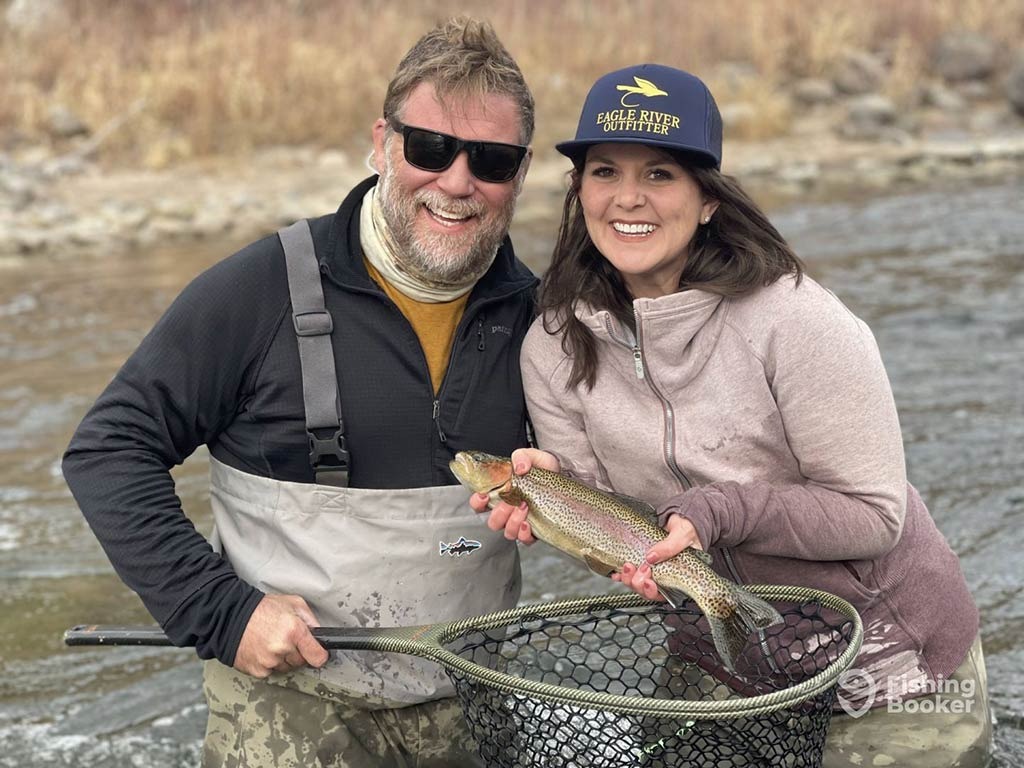
Colorado’s lakes are teeming with a variety of fish species, primarily thanks to dedicated stocking programs by Colorado Parks and Wildlife (CPW). While trout species—rainbow, brown, cutthroat, and lake trout (Mackinaw)—are the undisputed stars, you’ll also find warm-water species like bass (largemouth and smallmouth), walleye, pike, perch, and even kokanee salmon in various impoundments. The type of fish you target often dictates the best lake to visit and the techniques you’ll employ.
The Trout Trifecta and More: What You’ll Catch
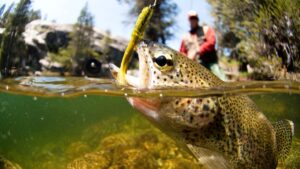
- Rainbow Trout: Arguably the most common and widely stocked trout, rainbows are known for their vibrant colors and spirited fight. They adapt well to various lake environments and are a popular target for all anglers.
- Brown Trout: A more elusive and often larger species, brown trout offer a thrilling challenge. They prefer colder waters and can be found in many of Colorado’s high-country lakes and reservoirs.
- Cutthroat Trout: Colorado’s state fish, the cutthroat, holds special significance. Conservation efforts are ongoing to protect and restore native cutthroat populations, particularly in pristine alpine lakes. Catching a cutthroat is a true Colorado experience.
- Lake Trout (Mackinaw): These deep-water predators can grow to impressive sizes, offering a powerful fight. Lake Granby and Blue Mesa Reservoir are renowned for their trophy Mackinaw.
- Kokanee Salmon: While anadromous (migratory) salmon runs are not present, landlocked kokanee salmon offer a unique challenge, especially during their spawning runs when snagging is permitted in specific areas.
- Bass & Walleye: In the state’s warmer reservoirs, particularly those on the eastern plains, largemouth and smallmouth bass, along with walleye, provide exciting warm-water fishing opportunities.
Top Lakes for Anglers in Colorado
Colorado boasts an incredible array of lakes, each offering unique fishing experiences. Here’s a curated list of some of the most popular and productive lake fishing destinations:
Central Colorado Gems
- Eleven Mile Reservoir: Located near Hartsel, Eleven Mile is a highly acclaimed trout fishery, consistently producing large rainbow, brown, and cutthroat trout. It’s a popular spot for both boat and shore anglers, and ice fishing in winter is exceptional. The “Dream Stream” section between Spinney Mountain and Eleven Mile Reservoirs is also a world-renowned fly-fishing destination.
- Spinney Mountain Reservoir: Adjacent to Eleven Mile, Spinney Mountain Reservoir is another Gold Medal Water known for its trophy rainbows and browns. It’s a catch-and-release only lake for trout, contributing to the impressive size of its fish.
- Lake Granby: As one of Colorado’s largest and deepest natural lakes (though heavily influenced by reservoirs), Lake Granby is a top destination for Mackinaw (lake trout) and kokanee salmon. Its vastness offers diverse fishing opportunities, from trolling in deep waters to shore fishing in shallower bays.
- Dillon Reservoir: Nestled in the heart of the Rocky Mountains near the towns of Dillon and Frisco, this scenic reservoir offers excellent fishing for rainbow and brown trout, as well as kokanee salmon. Its accessibility and stunning surroundings make it a favorite.
- Blue Mesa Reservoir: Colorado’s largest body of water, located in the Gunnison National Forest, Blue Mesa is a powerhouse for lake trout, kokanee salmon, and rainbow trout. It’s a vast and diverse fishery, offering both open-water and more secluded coves.
Front Range Favorites (Accessible from Denver Metro)
- Chatfield Reservoir: Situated just south of Denver, Chatfield is a popular spot for a variety of species, including rainbow trout, smallmouth and largemouth bass, walleye, and crappie. Its easy access makes it ideal for a quick fishing trip.
- Cherry Creek Reservoir: Another urban oasis in the Denver area, Cherry Creek is well-known for its largemouth bass, walleye, and a good population of rainbow trout. It’s a convenient option for local anglers.
- Horsetooth Reservoir: Near Fort Collins, Horsetooth Reservoir offers excellent fishing for smallmouth bass, walleye, and a growing population of trout. Its picturesque setting and varied shoreline make it a popular choice.
- Aurora Reservoir: A bit further east of Denver, Aurora Reservoir is a prime spot for trout, walleye, and wiper (a striped bass/white bass hybrid). It’s known for its clear waters and can be a challenging but rewarding fishery.
Western Slope Wonders
- McPhee Reservoir: Located near Dolores, McPhee Reservoir is Colorado’s fifth-largest reservoir and offers exceptional fishing for smallmouth bass, largemouth bass, walleye, and crappie. It’s a warm-water haven in a stunning setting.
- Ruedi Reservoir: High in the mountains near Basalt, Ruedi is known for its abundant rainbow and brown trout, as well as kokanee salmon. The Fryingpan River, a Gold Medal Water, flows below the dam, offering world-class fly fishing.
Local Tips for a Successful Colorado Lake Fishing Trip
Beyond knowing where to go, understanding how to fish effectively in Colorado’s unique lake environments can significantly boost your success.
Gear Up Smart
- Rods and Reels: For general lake fishing, a medium-action spinning rod (6-7 feet) paired with a reliable spinning reel spooled with 6-10 lb monofilament or braided line is a versatile setup. For larger species like lake trout, a medium-heavy rod is recommended.
- Tackle Box Essentials:
- Bait: Live bait like worms (nightcrawlers, red wigglers), mealworms, and waxworms are highly effective for trout and panfish. For larger lake trout, sucker meat or whole dead suckers are often the go-to.
- Lures: Spinners (e.g., Mepps, Rooster Tail), spoons (e.g., Kastmaster, Dardevle), and soft plastics (grubs, swimbaits) are productive for various species.
- Jigs: Small jigs tipped with bait or soft plastics are excellent for trout and panfish, especially when ice fishing.
- Hooks, Sinkers, Bobbers: Essential for basic bait fishing setups.
- Fly Fishing Specifics: If fly fishing a lake, be prepared with a variety of flies, including nymphs (e.g., Prince Nymph, Pheasant Tail), streamers (e.g., Woolly Bugger, Clouser Minnow), and dry flies (e.g., Caddis, Adams) to match insect hatches. A floating line and sinking tip line can be useful for different presentations.
- Waders and Boots: If planning to wade, chest waders and wading boots are crucial, especially in colder months.
- Net and Pliers: A landing net is vital for safely landing and releasing fish. Pliers (hemostats or needle-nose) are useful for hook removal.
- Layered Clothing: Colorado weather can change rapidly. Dress in layers, even in summer, and always bring rain gear.
- Sun Protection: High altitude means intense sun. Sunscreen, a wide-brimmed hat, and polarized sunglasses are essential.
- Navigation: A good map, GPS, or fishing app can be invaluable, especially on larger lakes.
Techniques for Lake Success
- Shore Fishing: Many lakes offer excellent shore access. Cast and retrieve lures, or use a slip-bobber rig with bait. Target areas near drop-offs, submerged structures, or where feeder streams enter the lake.
- Boat Fishing:
- Trolling: This is a highly effective method for covering large areas and finding fish. Use lures, spoons, or bait rigs trolled at various depths.
- Jigging: Particularly effective for lake trout and walleye, jigging involves vertically presenting a lure or bait near the bottom.
- Drifting: Allow the wind or current to move your boat, presenting your bait or lure naturally.
- Fly Fishing from Shore or Boat: Lakes offer unique fly-fishing opportunities. Look for rising fish, or strip streamers and nymphs along drop-offs or weed lines. Float tubes or pontoon boats can expand your access.
- Ice Fishing (Winter Specific): When lakes freeze, ice fishing becomes a popular pastime. An ice auger, ice fishing rod, tip-ups, and warm clothing are essential. Look for structure, use electronics to locate fish, and be aware of ice conditions.
Timing is Everything
- Early Morning/Late Evening: These are generally the most productive times for many species, especially trout, as fish are more active in cooler temperatures and lower light.
- Spring and Fall: Many local experts consider spring and fall the best times for fishing in Colorado. Water temperatures are ideal, and fish are often actively feeding before or after the extremes of summer and winter.
- Weather Conditions: Overcast days or before a storm can often trigger a bite. Conversely, bright, sunny days can make fishing tougher.
Respect the Regulations & Environment
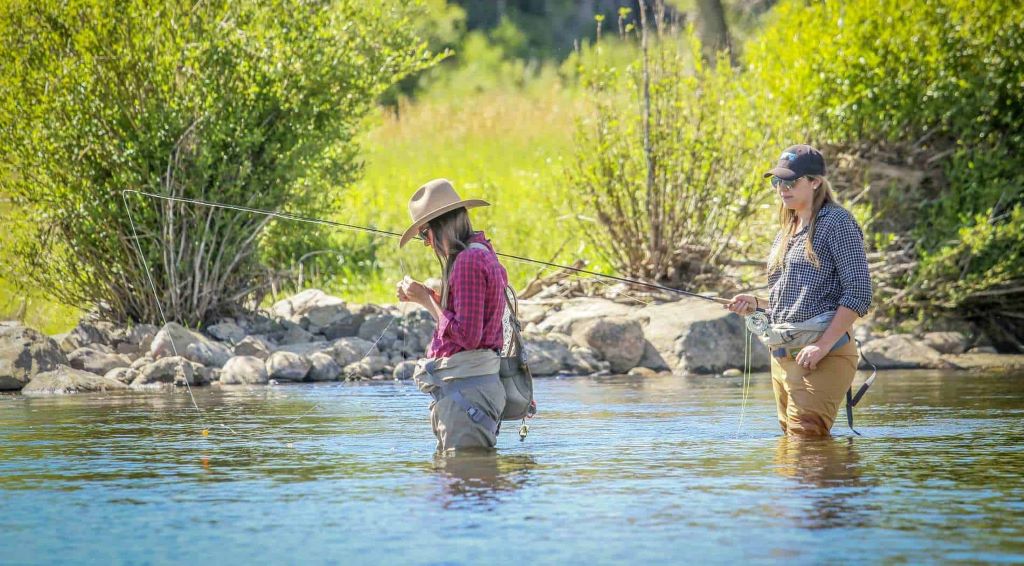
- Fishing License: All anglers aged 16 and older must possess a valid Colorado fishing license. Licenses can be purchased online through the Colorado Parks and Wildlife (CPW) website, at authorized sales agents, or at CPW offices. A Habitat Stamp is also required for most anglers with their first license of the season.
- Second Rod Stamp: If you plan to use a second fishing rod, handline, or tip-up, you must purchase a second-rod stamp. This does not entitle you to an additional bag limit.
- Know the Regulations: Regulations vary by specific water body and species. Always check the current Colorado Fishing Regulations brochure (available online and at license vendors) before you go. Pay close attention to bag and possession limits, size restrictions, and special conditions like catch-and-release only sections.
- Aquatic Nuisance Species (ANS): Colorado is vigilant about preventing the spread of ANS, such as zebra and quagga mussels. If you’re using a boat, be prepared for mandatory inspections at many reservoirs. “Clean, Drain, Dry” is the mantra for all watercraft.
- Leave No Trace: Practice responsible angling. Pack out all trash, dispose of monofilament line properly, and minimize your impact on the natural environment. If practicing catch and release, handle fish carefully to ensure their survival.
Family-Friendly Fishing in Colorado
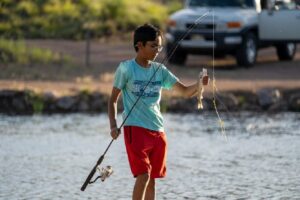
Colorado offers numerous lakes perfect for introducing children to the joys of fishing. Many state parks and local recreation areas feature stocked ponds or easily accessible shorelines, often with amenities like restrooms and picnic areas.
- Bear Creek Lake Park (Lakewood): Close to Denver, this park offers easy access and a good chance to catch various species.
- Corn Lake (Clifton): Near Grand Junction, Corn Lake is known for consistent action and is a great spot for young anglers.
- Schryver Park Kids Pond (Manitou Springs): A dedicated pond designed for kids, offering a stress-free fishing experience.
When fishing with kids, simplicity is key. Use basic bait rigs (worm and bobber), target easy-to-catch species like panfish or stocked rainbows, and prioritize comfort and fun over a trophy catch.
Accessible Fishing Opportunities
Colorado is committed to providing accessible fishing opportunities. Several locations feature ADA-compliant fishing piers or paved trails along the shoreline, making it easier for individuals with disabilities to enjoy the sport.
- Hartsel Disabled Fishing Area (Middle Fork of the South Platte River): While a river, this area near Hartsel offers wheelchair-accessible trails and access points.
- Check CPW Resources: The Colorado Parks and Wildlife website (cpw.state.co.us) is an excellent resource for identifying accessible fishing locations throughout the state.
Colorado’s Health Insurance: Guide to Healthcare Landscape in 2024
Conclusion: Your Colorado Fishing Adventure Awaits
Lake fishing in Colorado is more than just catching fish; it’s an immersive experience in some of the most breathtaking natural landscapes in the country. From the tranquility of an alpine lake reflecting snow-capped peaks to the excitement of battling a trophy lake trout in a vast reservoir, Colorado’s waters offer something for every angler.
By understanding the diverse fish species, exploring the top fishing destinations, embracing local tips, and always adhering to regulations, you’re well on your way to a successful and memorable fishing adventure. So, pack your gear, grab your license, and prepare to discover the magic of lake fishing in Colorado. Happy casting!
Read More: