

Colorado, with its breathtaking mountain vistas and abundant sunshine, presents the perfect canvas for outdoor living. Transforming your backyard into a personalized sanctuary starts with a well-designed and expertly built custom deck. It’s more than just an addition to your home; it’s an extension of your lifestyle, a place for gatherings, relaxation, and soaking in the natural beauty that surrounds you. In this comprehensive guide, we’ll delve into the intricacies of custom decks in Colorado, exploring design considerations, material choices, the construction process, and addressing frequently asked questions to help you embark on your own outdoor transformation.
Understanding the Colorado Climate and Its Impact on Deck Design:
Colorado’s climate is a unique blend of intense sunlight, fluctuating temperatures, and varying levels of precipitation. This necessitates a thoughtful approach to deck design. The high altitude means stronger UV rays, demanding materials that resist fading and degradation. The dramatic temperature swings, from scorching summer days to freezing winter nights, require materials that can withstand expansion and contraction without warping or cracking. Furthermore, the potential for heavy snowfall and occasional hail necessitates a robust structure capable of bearing significant loads. A seasoned Colorado deck builder understands these nuances and will factor them into every aspect of the project, from material selection to structural engineering.
Beyond the Basics: Tailoring Your Deck to Your Lifestyle:
A custom deck is not a one-size-fits-all solution. It’s about creating a space that perfectly aligns with your lifestyle and preferences. Do you envision hosting large gatherings with ample seating and a built-in grilling area? Or perhaps a tranquil retreat with a cozy fire pit and comfortable lounge chairs? Consider your family’s needs, your entertainment style, and your overall vision for outdoor living. Will you need integrated lighting for evening enjoyment? Or perhaps a pergola or shade structure to provide relief from the intense sun? A thorough consultation with a skilled deck designer will help you translate your ideas into a tangible plan.
Material Matters: Choosing the Right Decking for Colorado’s Demands:
Selecting the right decking material is crucial for longevity and performance in Colorado’s challenging climate. While traditional wood decking options like cedar and redwood offer natural beauty and warmth, they require regular maintenance to prevent rot and fading. Composite decking, made from a blend of wood fibers and recycled plastics, offers a low-maintenance alternative that resists fading, staining, and insect damage. PVC decking, a 100% synthetic material, provides exceptional durability and moisture resistance, making it ideal for areas prone to heavy snowfall or prolonged exposure to moisture. Each material has its own unique characteristics, aesthetics, and price point. Your choice will depend on your budget, maintenance preferences, and desired aesthetic.
Structural Integrity: Ensuring a Safe and Stable Deck:
A well-built deck starts with a solid foundation. In Colorado, this often involves concrete footings that extend below the frost line to prevent shifting and settling. The framing, typically constructed from pressure-treated lumber, must be adequately sized and spaced to support the weight of the decking, furniture, and occupants. Proper flashing and waterproofing are essential to prevent water damage and rot. A reputable deck builder will adhere to local building codes and utilize proven construction techniques to ensure a safe and stable structure that will withstand the test of time.
The Art of Detail: Railings, Stairs, and Beyond:
Beyond the decking surface, the details of your deck play a significant role in its overall aesthetic and functionality. Railings provide safety and visual appeal, with options ranging from traditional wood railings to modern cable railings that offer unobstructed views. Stairs must be designed for comfort and safety, with proper riser and tread dimensions. Built-in features, such as benches, planters, and storage compartments, can enhance the functionality and enjoyment of your deck. Consider the integration of lighting to create a warm and inviting ambiance in the evening.
Navigating the Permitting Process in Colorado:
Building a deck in Colorado typically requires obtaining a building permit from your local municipality. The permitting process ensures that your deck meets safety standards and complies with zoning regulations. A knowledgeable deck builder will be familiar with the local permitting requirements and can assist you with the application process. This may involve submitting detailed plans, obtaining inspections, and adhering to specific building codes. Failing to obtain the necessary permits can result in costly delays and potential fines.
The Value of Professional Installation: Why Hiring a Qualified Deck Builder Matters:
While DIY deck building may seem appealing, it’s a complex project that requires specialized knowledge and skills. Hiring a qualified deck builder ensures that your deck is built to the highest standards of quality and safety. A professional builder will have the expertise to navigate the complexities of design, permitting, and construction. They will also have access to the necessary tools and equipment to complete the project efficiently and effectively. Investing in professional installation will provide you with peace of mind and ensure that your deck is built to last.
Maximizing Your Investment: Maintenance and Care for Your Colorado Deck:
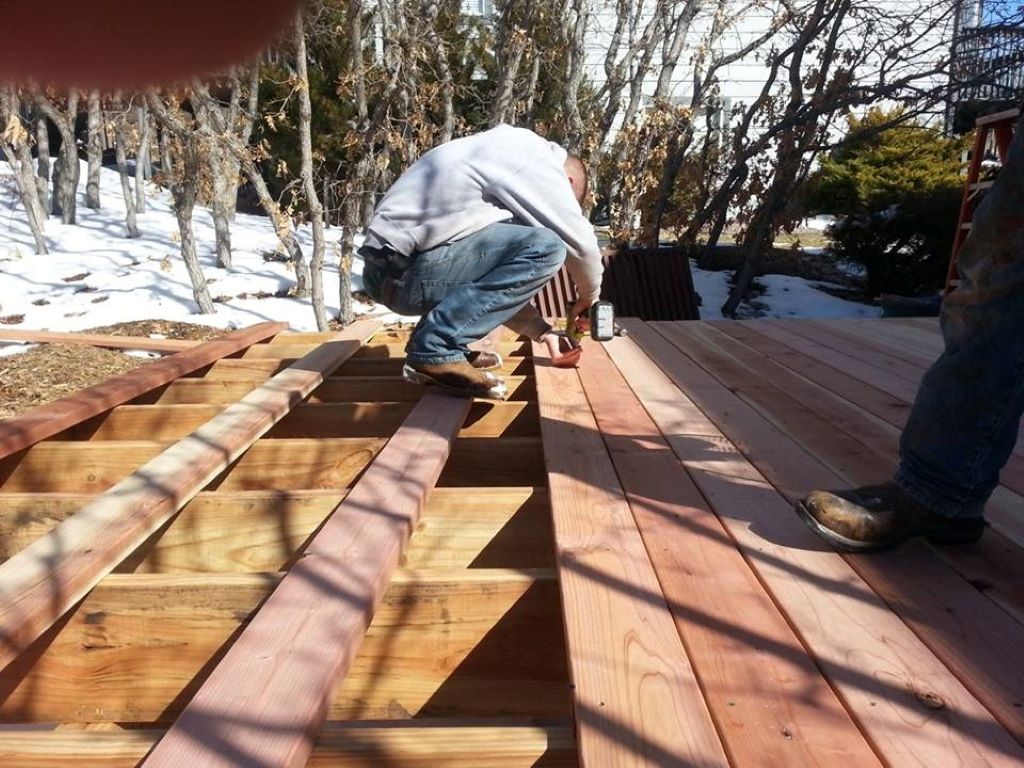
Even with the most durable materials, regular maintenance is essential to prolong the life of your deck and maintain its beauty. This includes cleaning the decking surface to remove dirt and debris, inspecting for signs of damage or rot, and applying a protective sealant or stain as needed. The frequency of maintenance will depend on the type of decking material and the level of exposure to the elements. A well-maintained deck will provide years of enjoyment and add value to your home.
Integrating Landscaping and Outdoor Living Features:
Your deck is an integral part of your outdoor living space. Consider integrating landscaping elements, such as potted plants, flower beds, and trees, to create a lush and inviting atmosphere. A well-designed landscape can enhance the privacy and beauty of your deck. Incorporate outdoor living features, such as a fire pit, hot tub, or outdoor kitchen, to create a truly immersive outdoor experience. The possibilities are endless when it comes to creating your dream outdoor sanctuary.
The Future of Decking: Innovations and Trends:
The decking industry is constantly evolving, with new materials and technologies emerging to enhance performance, durability, and aesthetics. Sustainable decking options, made from recycled materials or responsibly harvested wood, are gaining popularity. Smart deck features, such as integrated lighting and audio systems, are becoming increasingly common. The future of decking is bright, with innovations that will continue to transform outdoor living spaces.
Custom Decks Colorado: People Also Ask (FAQs)
Q: How much does a custom deck cost in Colorado?
A: The cost of a custom deck in Colorado varies widely depending on factors such as size, materials, design complexity, and site conditions. On average, you can expect to pay between $30 and $60 per square foot for materials and labor. More elaborate designs and premium materials can increase the cost significantly.
Q: What is the best decking material for Colorado’s climate?
A: Composite and PVC decking are popular choices for Colorado due to their durability and low maintenance requirements. They resist fading, staining, and insect damage, and can withstand the extreme temperature fluctuations. Cedar and redwood are also viable options, but require regular maintenance to prevent rot and fading.
Q: Do I need a permit to build a deck in Colorado?
A: Yes, in most cases, you will need a building permit to build a deck in Colorado. The permitting process ensures that your deck meets safety standards and complies with local building codes. Contact your local municipality for specific requirements.
Q: How long does it take to build a custom deck?
A: The construction time for a custom deck depends on the size and complexity of the project. A typical deck can take anywhere from a few days to a few weeks to complete. Weather conditions and permitting delays can also affect the timeline.
Q: What are some popular deck design trends in Colorado?
A: Popular deck design trends in Colorado include multi-level decks, built-in seating and planters, integrated lighting, cable railings, and pergolas or shade structures. Fire pits and outdoor kitchens are also popular additions.
Q: How can I find a reputable deck builder in Colorado?
A: Look for a deck builder with experience in Colorado’s climate and building codes. Ask for references, review their portfolio, and ensure they are licensed and insured. Check online reviews and ratings to get a sense of their reputation.
Q: What are the benefits of hiring a professional deck builder?
A: Hiring a professional deck builder ensures that your deck is built to the highest standards of quality and safety. They have the expertise to navigate the complexities of design, permitting, and construction, and can save you time and money in the long run.
Q: How can I maintain my deck in Colorado?
A: Regular maintenance includes cleaning the decking surface, inspecting for damage, and applying a protective sealant or stain as needed. The frequency of maintenance will depend on the type of decking material and the level of exposure to the elements.
Q: Can I build a deck myself?
A: While DIY deck building is possible, it’s a complex project that requires specialized knowledge and skills. Hiring a professional builder is recommended to ensure safety and quality.
Q: What are some things to consider when designing a custom deck?
A: Consider your lifestyle, entertainment style, budget, and desired aesthetic. Think about the size, shape, and layout of your deck, as well as the materials, railings, stairs, and built-in features. Integrate landscaping and outdoor living elements to create a cohesive and inviting space.
Read More:
COLORADO WHERE THE MOUNTAINS MEET THE MIND