


Colorado, the Centennial State, boasts a rich and vibrant history, a tapestry woven with threads of Native American heritage, intrepid exploration, gold-fueled booms, and a relentless pursuit of progress. From its majestic mountains to its sweeping plains, the story of Colorado is etched in the very landscape itself. But within this grand narrative, four pivotal events that shaped Colorado stand out as moments that irrevocably altered the course of the state’s history and continue to shape its identity today.
Here are four such events that have left an indelible mark on Colorado:
-
The Pikes Peak Gold Rush of 1859
The discovery of gold near present-day Denver in 1858 ignited a frenzy that would forever transform Colorado. News of the find spread like wildfire, drawing tens of thousands of fortune seekers to the Rocky Mountains, chanting the iconic slogan, “Pikes Peak or Bust!” This sudden influx of people, known as the “Fifty-Niners,” led to the rapid establishment of mining camps, boomtowns, and eventually, permanent settlements. Denver City, Auraria, and Boulder were all born from this gold rush fever.
While the initial gold rush was relatively short-lived, its impact was profound. It spurred the development of infrastructure, including roads, railroads, and communication lines, essential for connecting this remote region to the rest of the country. The population boom also fueled the demand for law and order, leading to the establishment of a territorial government and eventually, Colorado’s statehood in 1876. The legacy of the gold rush is still visible today in the names of towns, streets, and landmarks, a constant reminder of the state’s dramatic beginnings.
Reviews:
- “The Gold Rush is a cornerstone of Colorado history. Visiting old mining towns like Central City and Idaho Springs really brings that era to life.” – History enthusiast
- “It’s fascinating how this single event shaped the entire state’s trajectory.” – Local resident
FAQ:
- Was gold actually found on Pikes Peak? Contrary to popular belief, most of the gold was discovered in the streams and rivers around present-day Denver, not on Pikes Peak itself.
- What happened to the boomtowns? Many boomtowns went bust when the gold ran out, becoming ghost towns. Others, like Denver, adapted and thrived.
-
The Sand Creek Massacre of 1864
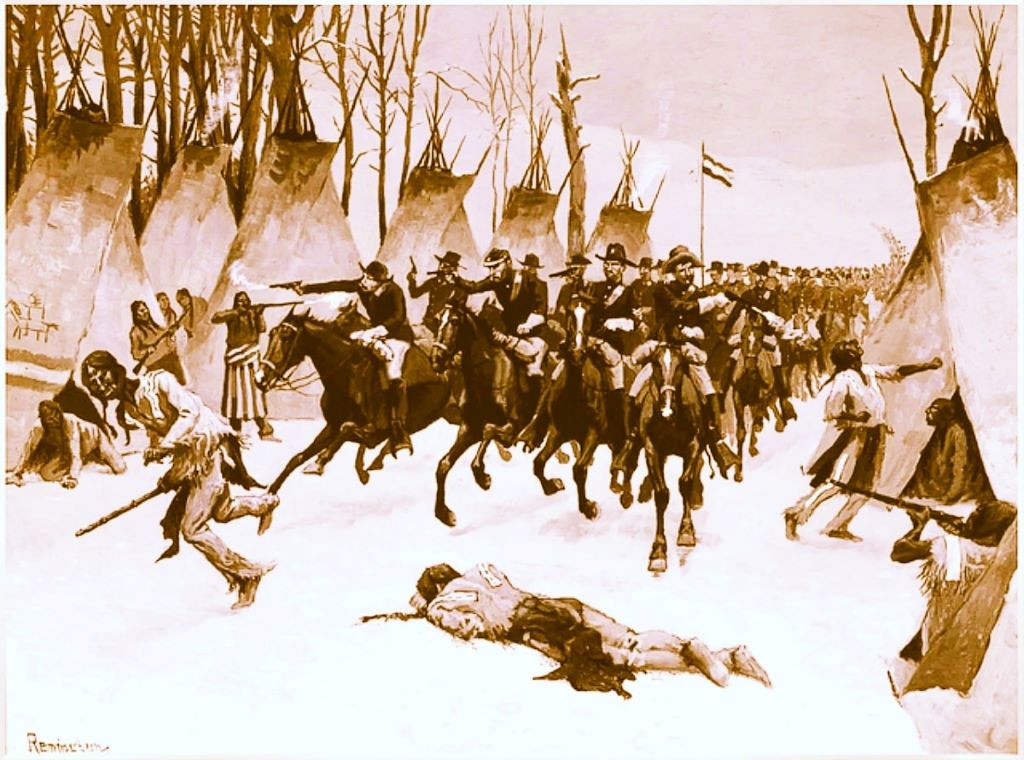
This tragic event remains a dark stain on Colorado’s history. In November 1864, a volunteer militia under the command of Colonel John Chivington attacked a peaceful Cheyenne and Arapaho encampment at Sand Creek. The brutal attack resulted in the deaths of over 200 Native Americans, mostly women, children, and the elderly.
The Sand Creek Massacre sparked outrage and condemnation across the nation. This led to congressional investigations and a reassessment of the government’s policies towards Native Americans. It also ignited further conflict on the Great Plains as the Cheyenne and Arapaho sought retribution. The massacre serves as a stark reminder of the devastating consequences of prejudice and violence, and the importance of understanding and respecting different cultures.
Reviews:
- “Visiting the Sand Creek Massacre National Historic Site was a deeply moving and somber experience. It’s crucial to remember this history and learn from it.” – Visitor to the site
- “The massacre is a tragic reminder of the injustices inflicted upon Native Americans.” – History professor
FAQ:
- Why did the attack happen? A complex mix of factors contributed, including fear of Native American raids, desire for land, and racial prejudice.
- What is being done to remember the victims? The Sand Creek Massacre National Historic Site was established to preserve the site and educate the public. Descendants of the victims are actively involved in its interpretation.
-
The Establishment of Rocky Mountain National Park in 1915
The creation of Rocky Mountain National Park marked a significant milestone in Colorado’s history and in the conservation movement. The park spans over 415 square miles of stunning alpine tundra, forests, and mountain peaks. It safeguards some of the most breathtaking scenery in the American West.
The park was established after years of effort by conservationists like Enos Mills. Mills recognized the importance of preserving this wilderness for future generations. Rocky Mountain National Park quickly became a popular destination, drawing visitors from around the world to experience its grandeur. Today, it remains one of the most visited national parks in the US, a testament to the enduring appeal of Colorado’s natural beauty.
Reviews:
- “Rocky Mountain National Park is simply awe-inspiring. The hiking trails are incredible, and the wildlife is abundant.” – Park visitor
- “This park is a true gem, a must-visit for anyone who loves nature.” – Outdoor enthusiast
FAQ:
- What are some popular activities in the park? Hiking, camping, wildlife viewing, fishing, and scenic drives are all popular activities.
- When is the best time to visit? Summer and fall offer the best weather, but the park is open year-round with opportunities for snowshoeing and cross-country skiing in winter.
-
The Denver International Airport Conspiracy Theories (1995 – Present)
While not a single event, the persistent conspiracy theories surrounding Denver International Airport (DIA) have become a unique part of Colorado’s modern folklore. Since its opening in 1995, DIA has been the subject of numerous outlandish claims. These range from secret underground bunkers and Illuminati connections to a hidden headquarters for the New World Order.
The airport’s unusual artwork, mysterious murals, and a dedication stone featuring Masonic symbols have fueled various theories. These theories have captured the imagination of conspiracy theorists worldwide. While airport officials have repeatedly debunked these claims, the theories persist, adding an intriguing layer to Colorado’s cultural landscape.
You Might Enjoy: Denver, Colorado A Mile High History and Vibrant Present, and Exciting Future
Reviews:
- “The DIA conspiracy theories are wild! It’s fun to explore the airport and look for the ‘clues’.” – Intrigued traveler
- “Whether you believe them or not, the theories definitely add to the airport’s mystique.” – Local resident
FAQ:
- What is the “Blucifer” statue? A 32-foot-tall blue mustang sculpture with glowing red eyes that has become a symbol of the airport and its associated conspiracy theories.
- Are there really underground tunnels at DIA? Yes, but they are for baggage handling and other airport operations, not secret bunkers.
These four events, diverse as they are, offer a glimpse into the complex and fascinating history of Colorado. They highlight the state’s spirit of adventure, its resilience in the face of adversity, and its deep connection to the natural world. Whether you’re a history buff, a nature lover, or just curious, these events offer something for everyone. They provide a deeper understanding of what makes Colorado so unique.


