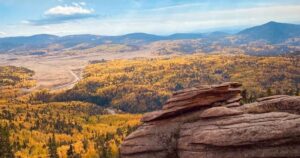
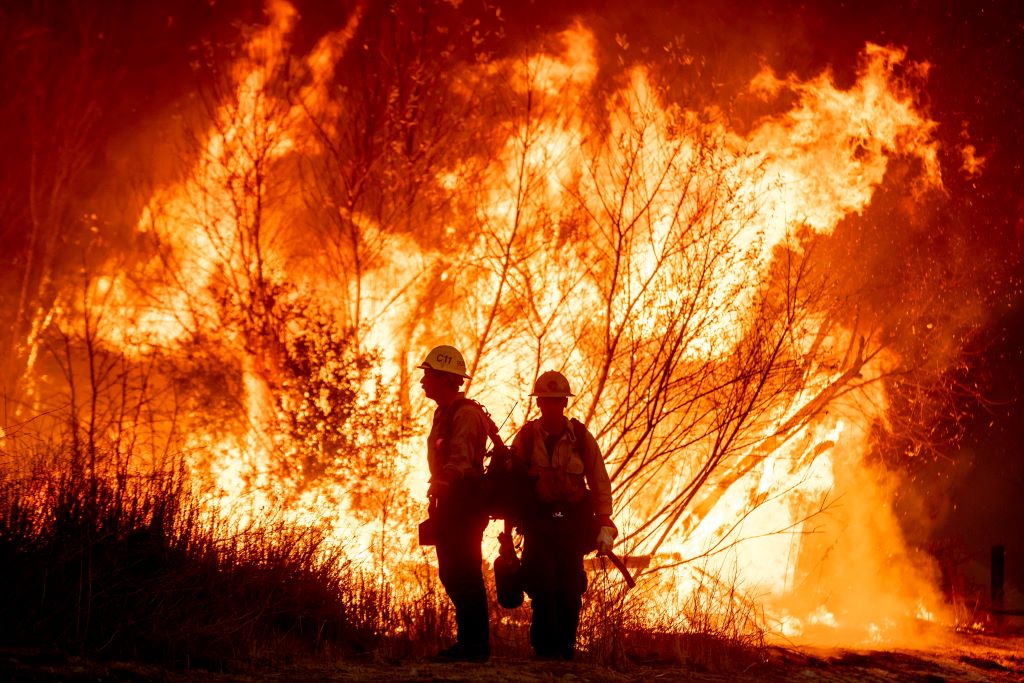
Colorado, with its breathtaking mountain vistas and sprawling forests, is a nature lover’s paradise. However, this beauty comes with a fiery underbelly. The state has a long and devastating history of wildfires, fueled by dry conditions, high winds, and increasingly, human activity. Wildfire in Colorado history has been marked by numerous fires that have left their scars on the landscape, but two stand out as the largest in recorded history: the Cameron Peak Fire and the East Troublesome Fire. Both ignited in 2020, marking a grim turning point in Colorado’s struggle against wildfire.
The Cameron Peak Fire: A Monster in the Mountains
The Cameron Peak Fire, igniting in August 2020, raged for months, ultimately consuming over 208,000 acres of land. This monstrous blaze, the largest wildfire in Colorado history, tore through the Roosevelt National Forest, leaving a trail of destruction in its wake. The fire’s immense size and intensity were driven by a combination of factors: beetle-killed trees provided ample fuel, while strong winds fanned the flames, pushing the fire across vast distances.
The impact on the environment was devastating. Forests that once teemed with life were reduced to ash, watersheds were contaminated, and air quality plummeted across the Front Range. The fire also threatened numerous communities, forcing thousands to evacuate their homes and leaving many in a state of uncertainty and fear. Firefighters battled the blaze relentlessly, working tirelessly in treacherous conditions to contain its spread. Their heroic efforts, aided by aerial support and favorable weather shifts, eventually brought the fire under control in December 2020.
The East Troublesome Fire: A Swift and Devastating Inferno
Just weeks after the Cameron Peak Fire erupted, another inferno ignited in Grand County, Colorado. The East Troublesome Fire, fueled by dry conditions and hurricane-force winds, exploded in size, scorching over 193,000 acres in a matter of days. This rapid growth shocked even seasoned firefighters, who described the fire’s behavior as “unprecedented” and “erratic.”
The East Troublesome Fire’s swift advance trapped residents and firefighters alike, forcing desperate evacuations and leading to tragic losses. The fire jumped the Continental Divide, a rare occurrence that underscored its ferocity. The intensity of the blaze created its own weather patterns, including fire tornadoes and massive pyrocumulus clouds that further fueled its spread. The fire’s aftermath left a landscape scarred beyond recognition, with homes reduced to rubble and entire communities forever altered.
Reviews: Reflecting on the 2020 Fire Season
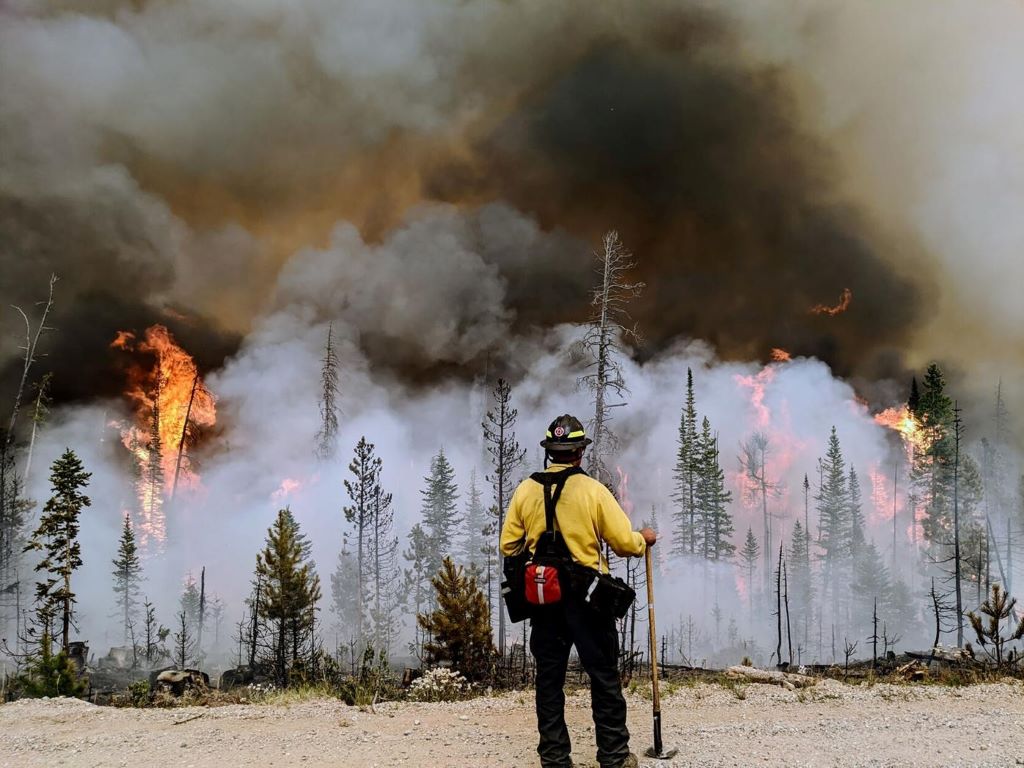
The 2020 wildfire season in Colorado was one for the record books, not just for the sheer scale of the fires, but also for the profound impact it had on communities and the environment. Many residents who lived through these fires share stories of fear, loss, and uncertainty. Evacuation orders disrupted lives, businesses suffered, and the emotional toll was immense. Yet, amidst the devastation, stories of resilience and community spirit also emerged. Neighbors helped neighbors, volunteers provided support, and firefighters risked their lives to protect others.
Reviews of the state’s response to the fires have been mixed. Some praised the efforts of firefighters and emergency responders, while others criticized what they perceived as a lack of preparedness and resources. The fires also sparked debate about forest management practices, climate change, and the increasing risk of wildfires in the West. Many experts argue that proactive measures, such as forest thinning and prescribed burns, are crucial to mitigating future fire risk.
FAQ: Understanding Colorado Wildfires
-
What causes wildfires in Colorado?
Wildfires in Colorado can be ignited by both natural and human causes. Lightning strikes are a common natural cause, while human activities, such as campfires, discarded cigarettes, and power lines, are also significant contributors. Dry conditions, high winds, and an abundance of fuel, such as dead trees and dry vegetation, increase the risk of fires spreading rapidly.
-
How can I protect my home from wildfires?
Creating defensible space around your home is crucial. This involves clearing flammable vegetation within 100 feet of your house, trimming trees, and keeping your gutters clean. Using fire-resistant building materials and ensuring your home is properly insured are also important steps.
-
What should I do if there’s a wildfire in my area?
Sign up for emergency alerts and be prepared to evacuate if necessary. Have a go-bag ready with essential items, including medications, important documents, and a change of clothes. Listen to local authorities and follow their instructions carefully.
-
How can I help those affected by wildfires?
Many organizations provide support to wildfire victims. You can donate money, supplies, or time to organizations like the Red Cross, local food banks, and community groups. You can also volunteer to help with cleanup efforts or offer temporary housing to those who have lost their homes.
-
What is being done to prevent future wildfires?
Forest management practices, including thinning forests, conducting prescribed burns, and removing dead trees, are crucial for reducing fire risk. Educating the public about fire safety and responsible recreation is also essential. Additionally, addressing climate change, which is contributing to drier conditions and increased fire risk, is a long-term priority.
You Might Enjoy: More Than Mountains: Exploring the Vibrant Culture of Colorado Springs
The Road to Recovery and Resilience
The 2020 wildfire season left an indelible mark on Colorado. The scars on the landscape are a stark reminder of the destructive power of wildfire. Yet, amidst the ashes, there is hope. Communities are rebuilding, forests are regenerating, and lessons are being learned. By understanding the causes of wildfires, taking proactive steps to mitigate risk, and supporting those affected, Colorado can build a more resilient future in the face of this ever-present threat.