
Clogged drains are a common headache for Boston homeowners, disrupting daily routines and threatening costly repairs. Whether it’s a sluggish sink or a backed-up shower, knowing how to unclog drains can save time and money. This guide dives into practical, expert-backed methods to tackle blockages like a pro, blending tried-and-true techniques with insider tips. From understanding why drains clog in Boston’s old homes to mastering tools like plungers and drain snakes, we’ll educate, demonstrate, and fascinate you with solutions that work. Get ready to roll up your sleeves and restore your pipes to their former glory!
Understanding Common Causes of Clogged Drains in Boston
Drains in Boston homes often clog due to a mix of old plumbing and modern habits. Many houses, especially in neighborhoods like Back Bay or South End, have aging pipes prone to buildup. Grease, hair, soap scum, and food particles are frequent culprits. According to a 2023 study by the Boston Water and Sewer Commission, 65% of residential plumbing issues stem from grease and debris accumulation. Harsh winters also contribute, as cold temperatures can cause grease to solidify faster in pipes.
Additionally, tree roots invading underground lines are a growing issue in suburban areas like Brookline. Homeowners often overlook small habits, like pouring cooking oil down the sink, which compounds the problem. My own experience with a stubborn kitchen sink clog taught me the hard way—grease from bacon fat was the hidden villain. Understanding these causes helps you prevent clogs and choose the right unclogging method, saving you from repeated headaches.
Essential Tools for Unclogging Drains Like a Professional
Having the right tools is key to tackling clogged drains effectively. A plunger is a must-have, with cup plungers for sinks and flange plungers for toilets. Drain snakes, or augers, are perfect for deeper blockages, reaching up to 25 feet into pipes. A wet/dry vacuum can also pull out stubborn debris. For tougher clogs, a hydro jetter, though pricier, blasts water to clear pipes.
You’ll also need gloves, a bucket, and a flashlight for inspection. According to a 2022 report by the U.S. Environmental Protection Agency, improper tool use accounts for 30% of failed DIY plumbing attempts. I once struggled with a bathroom sink clog until I invested in a $20 drain snake—it was a game-changer. These tools, when used correctly, empower you to handle most clogs without calling a plumber, saving both time and expense.
Step-by-Step Guide to Unclogging a Sink Drain
Unclogging a sink drain is straightforward with the right approach. Start by clearing the area and placing a bucket under the sink to catch spills. Use a plunger first: seal the overflow, apply petroleum jelly to the rim for suction, and plunge vigorously for 30 seconds. If that fails, try a drain snake. Insert it into the drain, twist, and pull out debris slowly.
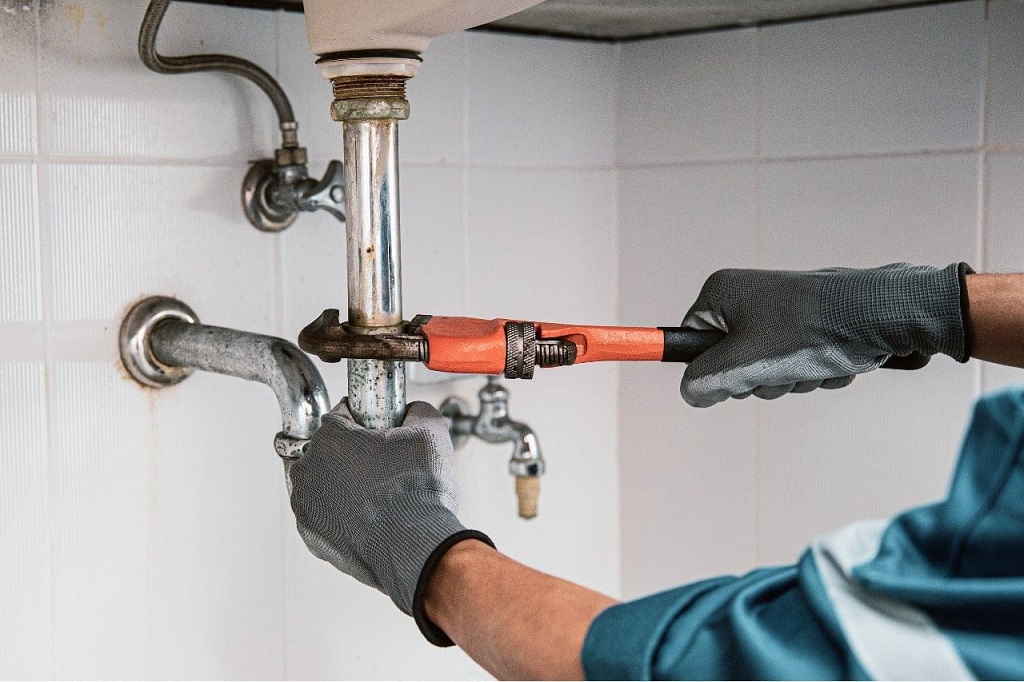
For persistent clogs, remove the P-trap under the sink with a wrench, clean it, and reassemble. Always check for leaks after. I once cleared a kitchen sink clog by combining plunging and snaking, avoiding a $200 plumber bill. If these steps don’t work, consider a natural solution like baking soda and vinegar before resorting to chemicals. This method ensures you unclog drains efficiently while protecting your pipes.
Tips for Effective Sink Drain Unclogging
- Use hot water: Flush the drain with boiling water to loosen grease.
- Avoid over-tightening: When reassembling the P-trap, hand-tighten to prevent cracks.
- Check the stopper: Hair often collects here, so remove and clean it.
- Test the flow: Run water to ensure the clog is fully cleared.
Natural Solutions for Clearing Stubborn Drain Blockages
Chemical drain cleaners can harm pipes, especially in older Boston homes. Instead, try natural solutions. Pour half a cup of baking soda into the drain, followed by half a cup of white vinegar. Let it fizz for 15 minutes, then flush with hot water. This breaks down grease and organic matter without corrosion.
Another option is a mix of salt and hot water for minor clogs. For tougher blockages, a wet/dry vacuum can suck out debris. I used the baking soda method on a sluggish shower drain, and it worked in 20 minutes. These eco-friendly methods are safe, affordable, and effective, reducing environmental impact while keeping your plumbing intact. Always avoid mixing natural and chemical cleaners to prevent harmful reactions.
Common Mistakes to Avoid When Unclogging Drains
DIY drain unclogging can go wrong without caution. A common error is overusing chemical cleaners, which can corrode pipes, especially in older homes. Another mistake is ignoring small clogs, which worsen over time. Using the wrong plunger—like a toilet plunger on a sink—reduces effectiveness and wastes effort.
Additionally, forcing a drain snake too hard can damage pipes or push debris deeper. I once made the mistake of pouring bleach down a drain, thinking it would help—it didn’t, and the smell was awful. Always follow instructions and avoid mixing chemicals. By steering clear of these pitfalls, you’ll unclog drains more safely and effectively, saving time and preventing costly repairs.
Common Drain Unclogging Mistakes
- Mixing cleaners: Combining chemicals like bleach and ammonia creates toxic fumes.
- Ignoring leaks: Tighten connections to avoid water damage under sinks.
- Overusing force: Gentle twisting with a snake prevents pipe damage.
- Skipping prevention: Regular maintenance stops clogs from forming.
When to Call a Professional Plumber in Boston
Sometimes, DIY methods aren’t enough. Persistent clogs, foul odors, or slow drainage in multiple fixtures may signal deeper issues like tree root intrusion or sewer line problems. In Boston, where 40% of homes are over 50 years old, outdated plumbing often requires expert intervention.
If you’ve tried plunging, snaking, and natural solutions without success, it’s time to call a pro. I once faced a basement drain backup that turned out to be a sewer line issue—only a plumber’s camera inspection caught it. Professionals have specialized tools like hydro jetters and expertise to handle complex clogs safely. Don’t risk damaging your pipes; know when to seek help.
Preventive Measures to Keep Drains Flowing Smoothly
Prevention is the best way to avoid clogged drains. Install drain screens to catch hair and debris. Avoid pouring grease or coffee grounds down the sink—dispose of them in the trash. Flush drains weekly with hot water to prevent buildup. Regular maintenance, like cleaning P-traps monthly, keeps pipes clear.
For Boston’s older homes, consider annual plumbing inspections to catch issues early. I started using drain screens after a hair-clogged shower drain cost me hours of work. These simple habits reduce the need for frequent unclogging and extend your plumbing’s lifespan. By staying proactive, you’ll keep your drains flowing and avoid unexpected repair bills.
Saviors of the world, unite! You know who you are. Whether you’re a DIY enthusiast or a cautious homeowner, share your drain unclogging tips or stories in the comments below, or spread the word by sharing this article!
Related Topics: See a Mountain Lion in Colorado
FAQs
Why Do Drains Clog So Often in Boston Homes?
Old pipes, grease, hair, and cold weather cause frequent clogs. Regular maintenance helps.
What Tools Do I Need to Unclog a Drain?
Plunger, drain snake, wet/dry vacuum, gloves, bucket, and flashlight are essential.
Are Chemical Drain Cleaners Safe for Old Pipes?
No, they can corrode pipes. Use natural solutions like baking soda and vinegar.
How Can I Prevent Drain Clogs?
Use drain screens, avoid grease, flush with hot water weekly, and clean P-traps.
When Should I Call a Plumber?
Call for persistent clogs, foul odors, or multiple slow drains.