Getting started with fishing can feel overwhelming. You want the excitement of your first catch, but complicated equipment setups and jargon make the process daunting. The good news is that setting up a beginner fishing combo is easier than you think! All it takes is a little guidance and the right technique. In this article, you’ll get a clear, actionable step-by-step process to assemble your fishing rod and reel combo, plus expert tips on choosing the right gear and answering your top questions. Read on for everything you need to know to achieve a perfect beginner fishing combo setup and hit the water with confidence!
Snippet Answer: To do a beginner fishing combo setup, assemble your rod, attach the reel securely, thread the line, tie your lure or hook, and check your drag setting. Following a step-by-step guide ensures your gear works optimally for your first fishing experience.
What Equipment Do You Need for a Beginner Fishing Combo Setup?
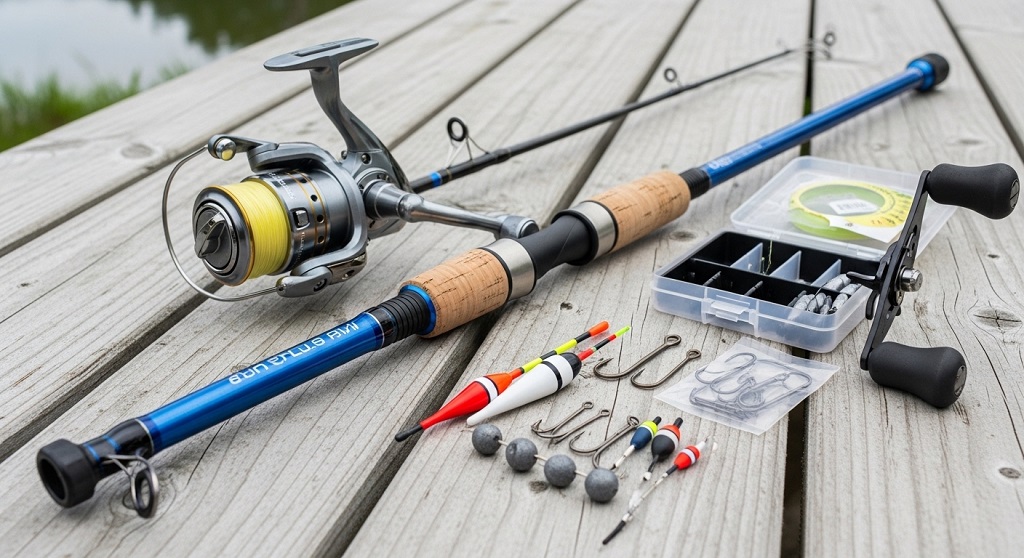
For a proper beginner fishing combo setup, you need a suitable rod, a matching reel, fishing line, hooks, sinkers, bobbers, pliers, and your choice of bait or lures. Make sure your rod and reel are compatible for a smoother assembly and use.
Before you get started, having the right gear makes a huge difference. A mismatch between rod and reel can frustrate you, so here’s a concise equipment checklist to ensure you start off right:
- Rod: Usually 6-7ft, medium-light power is ideal for beginners.
- Reel: Spinning reels are user-friendly for new anglers.
- Fishing Line: 6-10 lb monofilament is versatile for most targets.
- Hooks: Size 6-8 for panfish or small bass.
- Sinkers: Split shot sinkers are easy to use.
- Bobbers: Clip-on round bobbers for straightforward bite detection.
- Pliers: For hook removal and line cutting.
- Bait/Lures: Nightcrawlers, corn, or simple soft plastics work well.
How Do You Assemble the Rod and Reel Combo?
To set up your beginner fishing combo, securely attach the reel to the rod by sliding it into the reel seat and tightening the lock rings. Align the rod guides, and ensure everything feels stable with no wiggle or looseness.
First, remove your rod and reel from their packaging. Unfold or assemble the rod sections by sliding the ferrules together until snug (for two-piece rods). Next, open the reel seat on your rod’s handle, insert the base of the reel, and twist the locking rings until the reel is firmly in place. The reel handle should face your dominant hand. Align all your rod guides down the length—these are the rings the line will run through. A properly assembled combo feels sturdy and balanced in your hands, making fishing much easier and more enjoyable.
Which Fishing Line Should You Use and How Do You Spool It?
The best line for a beginner fishing combo setup is 6-10 pound test monofilament. To spool, attach the line to the reel’s spool, run it through the guides, and wind evenly without tangles or slack.
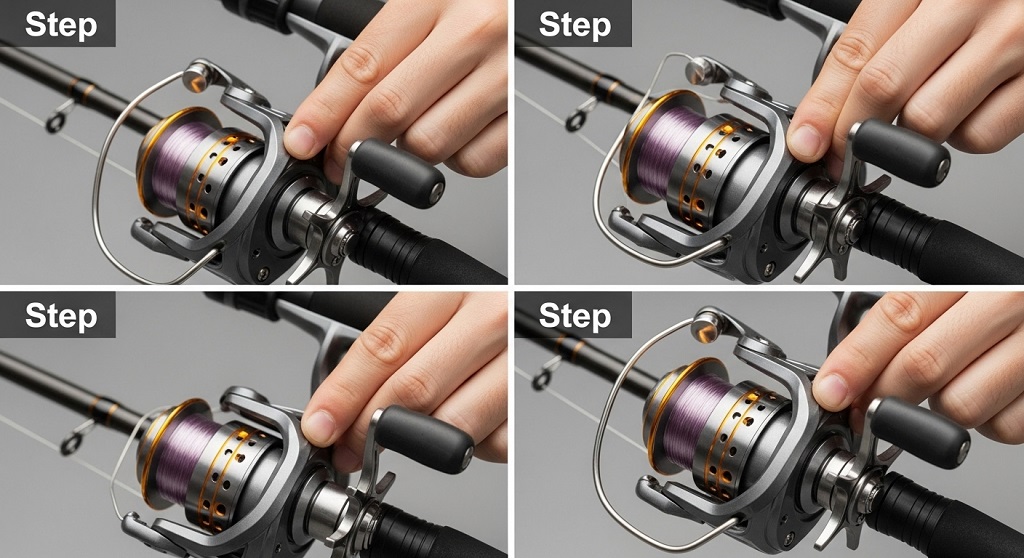
Most entry-level combos pair well with monofilament because it’s forgiving and affordable. To spool your reel, first open the bail arm on your spinning reel. Tie the line around the spool arbor using an arbor knot, trim the tag end, then close the bail. Secure the line about a foot above the spool and begin winding by cranking the handle, making sure the line loads smoothly and doesn’t twist or bunch up.
- Open the bail arm and attach the line using an arbor knot.
- Secure the spool and reel slowly, guiding the line with your fingers.
- Fill until about 1/8 inch from the rim of the spool.
Never overfill, as it causes tangles. Thread the line through each rod guide from bottom to top when done. Keep tension on the line while spooling to prevent loops that can snag while casting.
How Do You Attach Fishing Hooks, Lures, and Tackle?
To complete your beginner fishing combo setup, tie a hook to the end of your line with a clinch knot. Add a split shot sinker six inches above the hook and clip on a bobber as needed for visibility.
Attaching tackle is simple but crucial. Cut the line so the tag end is manageable, then run it through your hook’s eye. Wrap the line around itself 5–7 times and thread it back through the loop near the eye to create a clinch knot. Pull tightly and trim excess. Add a split shot above the hook for weight. For bobbers, clip them at the desired depth to keep your bait suspended. Lures like small spinners or soft plastics can often be tied directly, or use a snap swivel to switch lures quickly. This combo of hook, sinker, and bobber works for most freshwater panfish and bass, making it ideal for beginners.
How Do You Adjust Reel Settings and Test Your Setup?
Set your drag so the line gives with a steady pull and won’t break easily. Open the bail, check your cast, and ensure all guides are lined up and smooth for worry-free use.
The drag knob on top of most spinning reels controls resistance. Turn it right to tighten, left to loosen. Hold your rod and pull on the line just above the reel—if it slides with moderate force, you’re set. Drag that’s too tight can snap the line, while too loose lets big fish escape. Before fishing, practice casting in your yard or driveway. Flick the bail open, hold the line with your finger, and swing the rod to launch a cast. Make sure the line runs smoothly through all guides, and nothing catches or sticks. When testing, a smooth cast and controlled retrieve mean your beginner fishing combo setup is dialed in.
What Are Common Mistakes When Setting Up a Beginner Fishing Combo?
Common mistakes in beginner fishing combo setup include mismatched rod and reel sizes, spooling too much or too little line, skipping guide alignment, and setting drag too tight or loose.
- Overfilling/Underfilling the Spool: This causes tangles or short casts. Fill to just below the spool rim.
- Incorrect Knot Tying: Poor knot strength results in lost fish.
- Skipping Line Through Guides: Thread the line through every guide for even casting.
- Improper Drag Setting: Can snap the line during a fish strike.
- Poor Reel Attachment: If loose, the reel may detach or wobble, making casting hard.
- Using Heavy Tackle: Using too thick a line or big hooks for small fish will spook them.
Pay attention during each step, double-check your work, and move slowly. Time spent on setup pays off in more enjoyable and successful fishing adventures.
How Can You Compare Different Beginner Fishing Combo Types?
Beginner fishing combos include spinning, spincast, and baitcasting setups. Spinning combos are most recommended for those just starting due to easy casting and minimal tangles. Use the table below to quickly compare popular options.
| Combo Type | Best For | Pros | Cons |
|---|---|---|---|
| Spinning Combo | General freshwater fishing | Easy to use, fewer tangles, versatile | Less power for very large fish |
| Spincast Combo | Children, absolute beginners | Very simple, push-button casting | Lower casting distance, not as durable |
| Baitcasting Combo | Bass fishing, advanced users | Accurate, strong, ideal for heavy lures | Steep learning curve, more backlashes |
Choose a spinning combo when starting out for the easiest, most frustration-free experience. As your skills grow, you can experiment with other types if desired.
What Final Tips Help You Succeed with Your Beginner Combo?
Practice casting in an open area, check knots before each trip, and keep your combo clean and dry. Start with small fish and simple setups to build confidence and skills efficiently.
Fishing is as much about patience as it is about skill. Start slow and savor the learning process. Regular maintenance—wiping down your rod and reel after use—prevents rust and line damage. Always inspect your line for frays or nicks, and retie knots after catching a fish or snag. Don’t hesitate to ask for help at your local tackle shop if you’re unsure. Remember, everyone started as a beginner. The goal is fun and steady improvement with your fishing adventures.
How Do You Maintain Your Beginner Fishing Combo for Longevity?
To keep your beginner fishing combo in top shape, clean and dry it after every use, check for loose parts, and change the line periodically to prevent tangles and damage.
Maintenance is straightforward, but often overlooked. After each trip, rinse your rod and reel with fresh water—especially after fishing in saltwater. Wipe everything with a dry cloth. Open the reel to remove any sand or debris. Unscrew and retighten any loose reel seats or handle connections. Replace your line every few months, or sooner if it feels rough to the touch. Store your setup in a dry, shaded area to prevent sun and moisture damage. A well-maintained combo lasts longer and performs reliably every trip.
Frequently Asked Questions
What is the easiest fishing combo for beginners?
A spinning combo is the easiest for beginners. It offers simple operation, minimal tangles, and smooth casting, making it ideal for new anglers just starting out.
How much should I spend on a beginner fishing combo?
An effective beginner fishing combo can cost between $30 and $70. Look for reputable brands to ensure quality, but you don’t need to invest a fortune to get started.
How do I avoid line tangles when casting?
To avoid tangles, ensure your line is properly spooled, use the right amount of tension on the drag, and close the bail manually after casting to prevent slack loops.
How often should I replace my fishing line?
Replace your fishing line every 2-3 months with regular use, or immediately if you notice fraying, nicks, or a loss of strength. Maintaining fresh line is essential for performance.
What is the best knot for tying hooks and lures?
The improved clinch knot is widely used and easy to learn for beginners. It provides strong and reliable attachment of hooks and lures to your fishing line.
Can I use my beginner combo in saltwater?
Some combos are suitable for light saltwater use, but always rinse with fresh water after exposure. Dedicated saltwater models are more corrosion-resistant for long-term durability.
How do I choose the right rod power and length?
Medium-light to medium power rods between 6 and 7 feet long are versatile and great for most beginners targeting panfish, trout, or bass in local lakes and rivers.
Conclusion: Start Fishing with Confidence Today!
Setting up your beginner fishing combo isn’t complicated when you follow these simple steps and tips. With the right gear and a little patience, you’ll gain skills and find enjoyment on every fishing outing. Remember to double-check your setup, keep your tackle maintained, and never be afraid to ask for advice. Most importantly, savor the moments outdoors—it’s about more than just the catch. Ready to start your fishing journey? Grab your beginner combo, follow this guide, and cast your line for a rewarding experience. Tight lines!
Ready to catch your first fish? Find top-rated beginner combos and gear now—get outside and start your adventure!
Read More Also: How to Decorate Your Home for Halloween Easily
Learn More: How to Create the Best Cheap Fishing Setup for Freshwater Fishing