
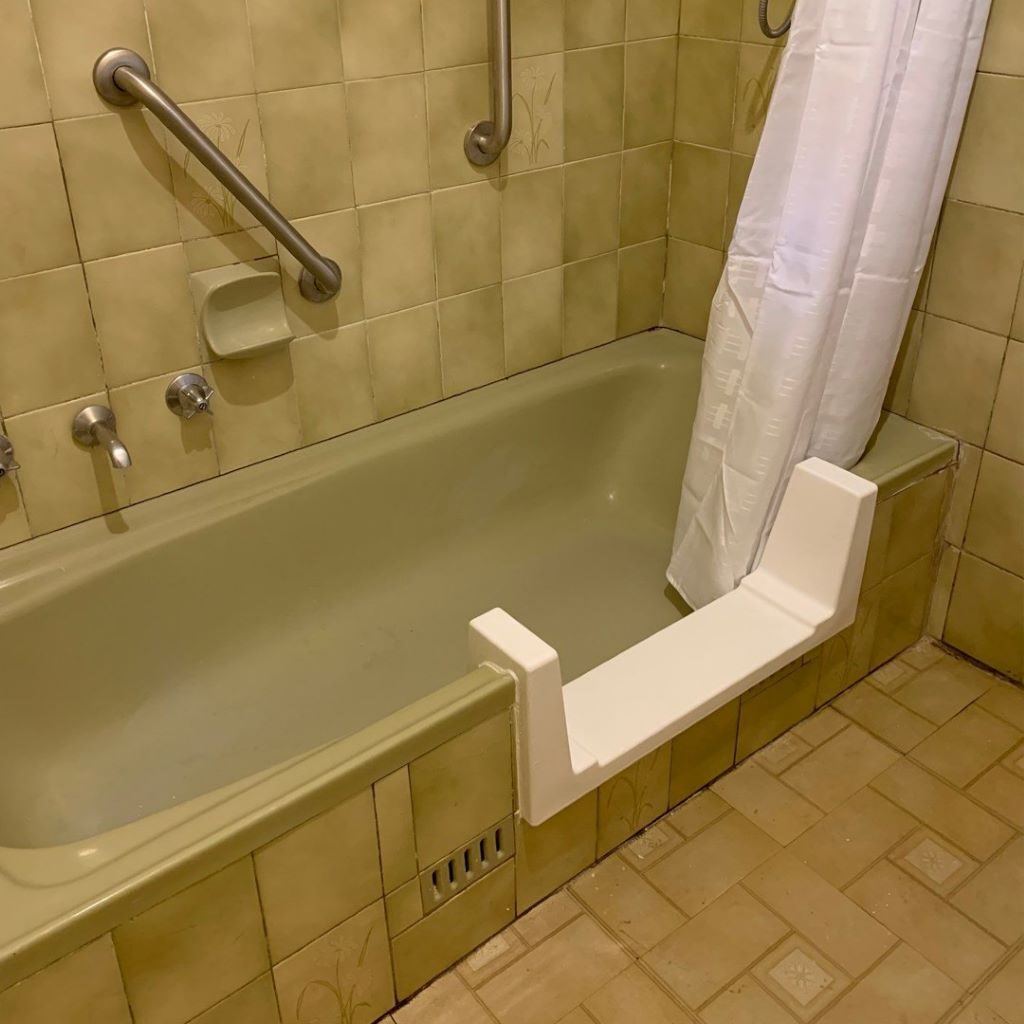
For many homeowners, maintaining independence and safety in the bathroom becomes increasingly important over time. One of the most popular accessibility upgrades today is a bathtub cutout conversion, which transforms a traditional tub into a walk-in shower experience—without replacing the entire unit. But here’s a question many people ask before planning this upgrade: Can all tubs be converted with a cutout?
The answer is yes—most tubs can be converted, but some materials and designs are more suitable than others. Whether you have an acrylic, fiberglass, or cast-iron tub, understanding the specific characteristics of your model will help you make the best choice for your home renovation.
What Is a Bathtub Cutout Conversion?
A bathtub cutout involves removing a section of the tub wall and installing a watertight insert that creates a low step-through opening. This process provides easier access, reduces slip hazards, and makes bathing safer for seniors or anyone with limited mobility. Unlike full tub replacements or permanent walk-in tub installations, a cutout conversion is quick, affordable, and can be completed in just a few hours with minimal disruption. It’s an ideal solution for homeowners looking to improve accessibility without committing to a major remodeling project.
Acrylic Bathtubs
Acrylic tubs are among the easiest models to convert. Their flexible material and smooth surface allow for a clean cut and secure fit of the insert. Acrylic is lightweight, crack-resistant, and offers a glossy finish that maintains its appearance after modification.
Advantages:
- Cuts cleanly without splintering or fracturing.
- Available in various colors to match inserts seamlessly.
- Easy to maintain and repair if scratched.
Acrylic bathtubs are common in modern homes, which makes them a popular and cost-effective choice for a cutout conversion.
Fiberglass Bathtubs
Fiberglass tubs share many similarities with acrylic models, though they are slightly rougher in texture and less flexible. They’re still an excellent option for a bathtub cutout because the fiberglass material can be easily shaped and reinforced during installation.
Advantages:
- Lightweight and simple to modify.
- Readily available in both alcove and corner designs.
- Works well with colored inserts for a custom look.
However, fiberglass tubs require careful finishing to prevent the edges from chipping or splintering during the cutout process. A professional installer will typically sand, seal, and smooth the edges before placing the insert to ensure longevity and a watertight seal.
Cast Iron Bathtubs
If you have a classic cast-iron bathtub, you might be surprised to learn that it can also be converted with a cutout. Cast iron tubs are known for their strength and durability. While they are more challenging to modify, specialized diamond-blade tools allow professionals to create a precise opening without damaging the structure.
Advantages:
- Extremely durable and long-lasting.
- Excellent insulation to retain water temperature.
- Offers a timeless look that pairs beautifully with a walk-in conversion.
Because cast iron tubs are heavy, installers often need extra time and equipment to cut and seal the new opening. Still, the result is a safe, sturdy, and elegant upgrade that preserves the tub’s original charm.
Steel Bathtubs
Steel bathtubs, also known as porcelain-on-steel models, feature an enamel coating over a metal shell. They’re thinner than cast iron but more rigid than acrylic or fiberglass, making them moderately difficult to cut. Professionals often use specialized blades and heat-reduction techniques to maintain the integrity of the enamel.
Advantages:
- Highly resistant to stains and scratches.
- Retains shine and smoothness after modification.
- Excellent strength-to-weight ratio.
Steel tubs can benefit from a cutout conversion just as effectively as lighter materials, especially when the goal is to preserve existing bathroom aesthetics.
Cultured Marble and Composite Bathtubs
Cultured marble and composite tubs—made from crushed stone and resin—are increasingly popular in luxury bathrooms. These materials can also accommodate a bathtub cutout, but precise cutting is essential to prevent fracturing.
Advantages:
- Beautiful, high-end appearance.
- Custom sizes and finishes for design flexibility.
- Can be reinforced with matching inserts for a seamless look.
Because cultured marble is harder and denser than acrylic or fiberglass, professional installation is critical to avoid cracks during modification.
Choosing the Right Insert
Once the tub opening is cut, the insert is installed to create a smooth, watertight threshold. Inserts come in various widths and heights to accommodate the user’s mobility needs. Some products include removable sections or sealing doors, giving households flexibility between bath and shower use.
For example, the Quick Tub bathtub insert offers an accessible, professional-grade solution designed for long-lasting safety and comfort. It’s engineered to fit most common tub materials, ensuring that the transformation looks as natural as it is functional.
Why a Cutout Conversion Makes Sense
A bathtub cutout conversion offers numerous benefits beyond accessibility:
- Affordability: Costs significantly less than a full tub replacement.
- Speed: Can be completed in just one day.
- Safety: Reduces the risk of falls for seniors and people with limited mobility.
- Sustainability: Keeps existing materials out of landfills.
Whether your tub is acrylic, fiberglass, steel, or cast iron, a professional cutout installation lets you enjoy safer, easier bathing without compromising on style or comfort.