
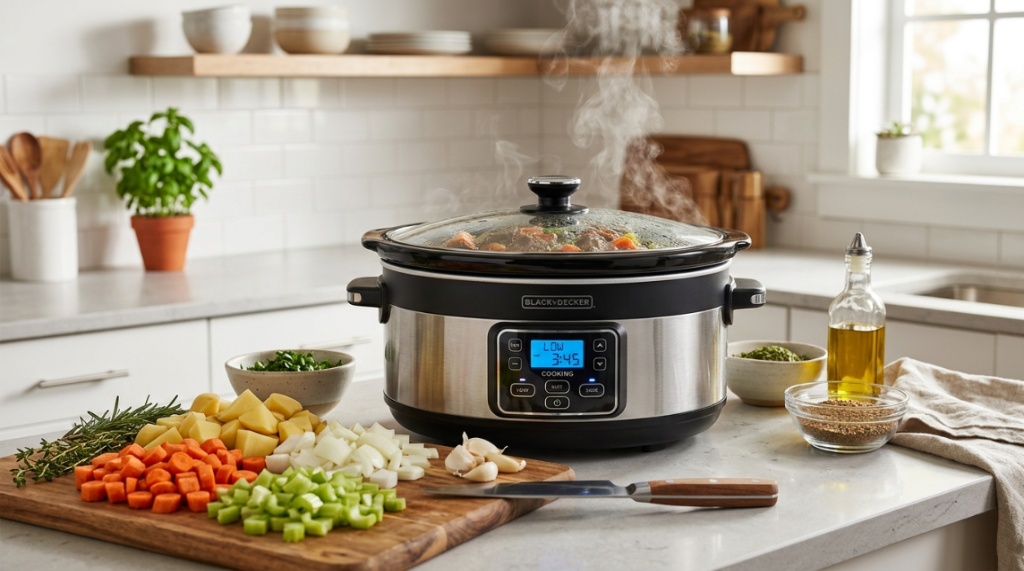
You have finally decided to simplify your weeknight dinners with a slow cooker. But walking into the appliance aisle—or scrolling through endless product pages—can feel overwhelming. Every model claims to braise, steam, sear, and sauté. How do you cut through the marketing fluff? The problem is that choosing the wrong slow cooker means wasted counter space and mushy meals. The solution lies in learning how to properly compare slow cookers guide by focusing on capacity, temperature precision, programmability, and build quality. This article will walk you through exactly what matters so you can buy with confidence and cook with success.
What Size Slow Cooker Do You Actually Need?
Start with the capacity. Most households overestimate their need. A 4-quart slow cooker is ideal for singles, couples, or meal prepping for two. A 5-to-6-quart model fits a family of four with leftovers. Anything over 7 quarts is best for large gatherings or batch cooking for the freezer.
Capacity Guidelines for Real Meals
Here is how size translates to actual cooking:
- 2 to 3 quarts: Perfect for dips, sauces, oatmeal, or side dishes. Not suitable for a whole chicken.
- 4 to 5 quarts: Good for a 3-pound roast or six servings of chili. The sweet spot for most couples.
- 6 to 7 quarts: Holds a 5-pound chicken or a large brisket. Best for families.
- 8 quarts and above: Great for entertaining or batch cooking. Requires significant storage space.
A common mistake is buying a 7-quart pot for a household of two. The food cooks too quickly and can burn, because the heat circulates around a small amount of liquid. Always match the size to your typical recipe volume, not your dreams of hosting Thanksgiving dinner.
Why Does Temperature Performance Matter More Than Brand Names?
Temperature inconsistency ruins slow cooker meals. A unit that runs too hot will overcook proteins and turn vegetables to paste. A unit that runs too cold forces you to cook for ten hours when the recipe called for six. The heating element and thermostat quality dictate how evenly and reliably the cooker maintains low and high settings.
How to Test Temperature Accuracy
You cannot open the box and test in the store, but you can research user reviews that mention temperature behavior. Look for comments about “hot spots” or “boiling on low.” A good slow cooker maintains low between 180 and 200 degrees Fahrenheit. High should stay between 200 and 210 degrees. If reviews consistently say the low setting cooks food in the same time as high, skip that model.
Programmable models typically have better temperature control than manual dial versions, because digital thermostats are more precise. If you plan to leave the cooker unattended for eight hours, accuracy is non-negotiable.
Which Features Actually Improve Your Cooking Experience?
Not every bell and whistle is worth your money. Focus on features that directly affect ease of use and food quality. A programmable timer is essential if you work away from home. An automatic warm mode is critical for preventing overcooked food when the cook time ends. A sear or sauté function lets you brown meat in the same pot, which saves dishes and deepens flavor.
Features Worth Paying For
- Programmable timer with delay start: Allows you to schedule the cook cycle to finish exactly when dinner time begins.
- Keep warm function: Switches on automatically after the timer ends. Keeps food safe above 140 degrees Fahrenheit without drying it out.
- Removable stoneware insert: Much easier to clean than a unitized design. Dishwasher-safe inserts are ideal.
- Sealing gasket lid: Prevents condensation from dripping back onto the food and helps retain moisture.
Features You Can Skip
- Bluetooth or Wi-Fi connectivity: Most people set the timer and walk away. The novelty wears off quickly.
- Recipe book and app integration: Usually contains generic recipes. You will find better ones online.
- Integrated thermometer probe: Useful but not essential. A $15 meat thermometer works just as well.
How Does the Shape of the Slow Cooker Affect Cooking Results?
Round slow cookers are great for soups, stews, and chili. Oval slow cookers are better for roasts, whole chickens, and ribs. The shape determines how the food sits in the heat. Oval models distribute heat more evenly for large cuts of meat, while round models concentrate heat for liquid-heavy dishes.
Why Shape Impacts Safety and Convenience
Oval cookers are more likely to fit a standard turkey breast or a pork shoulder without crowding. Crowding the pot leads to uneven cooking. Round cookers are easier to store and often weigh less. If you plan to cook bone-in meats or large vegetables, choose oval. If you primarily cook beans, soups, or dips, round is perfectly fine.
If you find that a slow cooker doesn’t offer the high-heat versatility you need for quick meals, you can also use the OVENTE 1000W Single Burner Hot Plate Safely at Home as a compact, powerful countertop cooking solution.
When Should You Choose a Manual Slow Cooker Over a Programmable One?
A manual slow cooker has simple low, high, and warm settings with no timer. Choose a manual unit if you prefer full control over cook time and you are home to monitor the food. Manual models are usually cheaper, more durable, and last for decades. They contain fewer electronic components that can fail.
When Programmable Wins
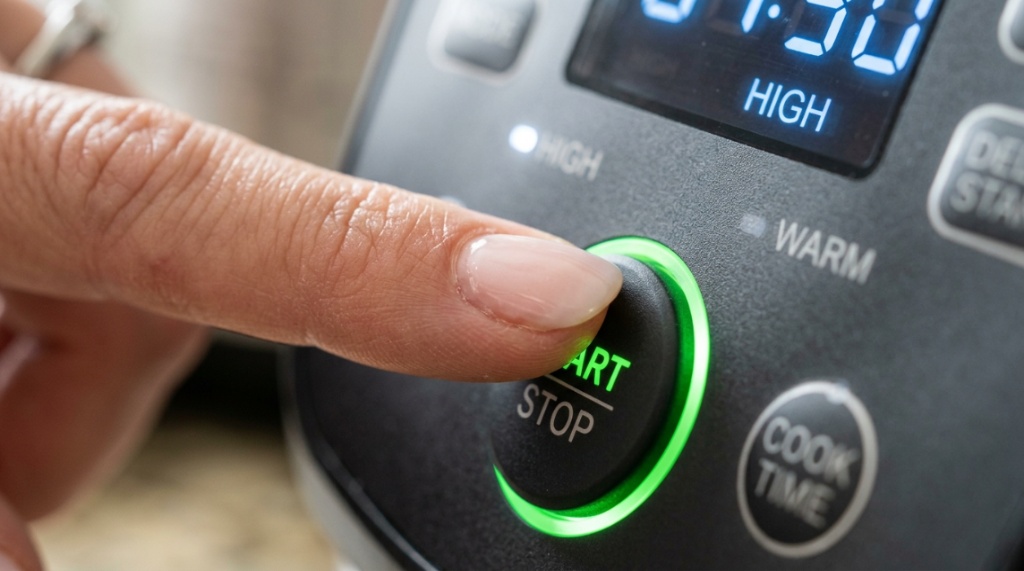
Choose programmable if your schedule is unpredictable. Set the timer for six hours, and the cooker switches to warm mode automatically. This prevents burning your dinner if you get stuck in traffic. Programmable models also allow delay start, which is useful for overnight cooking. The trade-off is a higher price and more points of potential failure.
Can a Multi-Cooker Replace a Traditional Slow Cooker?
Multi-cookers like pressure cookers with slow cook functions are versatile but often compromise on slow cooking performance. Many pressure cookers default to a higher temperature during slow cook mode because the heating element is designed for pressure cycles. This can result in food that cooks faster than expected and turns mushy.
When to Choose a Dedicated Slow Cooker
If slow cooking is your primary method, buy a dedicated slow cooker. It is simpler to use, safer for unattended cooking, and usually produces better texture for braised meats and vegetables. Multi-cookers are better for people who want the flexibility of pressure cooking, steaming, and sautéing in one appliance but are willing to sacrifice perfect low-and-slow results.
What Should You Look for in the Stoneware Insert?
The stoneware insert is the most critical part of the cooker. Look for heavy, thick stoneware that heats evenly. Thin inserts can crack from thermal shock when you pour cold liquid into a hot pot. The insert should have sturdy handles and a glazed finish that resists sticking.
Stoneware Quality Checklist
- Weight: Heavier inserts hold heat better. Lift the pot in the store if possible.
- Smooth interior: Rough spots or uneven glaze cause sticking and difficult cleaning.
- Fully glazed rim: Unfinished rims can absorb moisture and harbor bacteria.
- Dishwasher safe: Confirms the glaze can withstand high temperatures and detergents.
How Important Is the Lid Design?
The lid should fit snugly to trap steam and heat. A loose lid allows moisture to escape, requiring longer cook times and producing dry food. Glass lids are standard and fine, but look for a tight seal. Some newer models feature gasket lids that prevent liquid from bubbling over.
Lid Features to Evaluate
- Glass thickness: Thicker glass stays cooler to the touch and is less likely to shatter.
- Knob security: The knob should be attached firmly. Cheap knobs loosen over time.
- Steam vent: A small vent hole prevents pressure buildup without losing too much moisture.
What Is the Right Way to Compare Slow Cooker Prices?
Price does not always correlate with quality. A $30 slow cooker can perform just as well as a $100 model if the heating element and stoneware are solid. The difference often comes from brand markups, extra accessories, and digital interfaces. Compare slow cookers by reading independent reviews that focus on temperature accuracy and durability, not promotional claims.
Price Breakdown by Category
| Price Range | Typical Features | Best For |
|---|---|---|
| $20 to $40 | Manual controls, basic stoneware, standard glass lid | Budget shoppers, occasional use |
| $40 to $80 | Programmable timer, warm mode, heavy stoneware, better lid seal | Regular home cooks, families |
| $80 to $150 | Sear function, advanced programs, gasket lid, stainless steel exterior | Enthusiasts, frequent cooks, meal preppers |
Spending more does not guarantee better food. A mid-range programmable cooker with good stoneware is the best value for most people. High-end models add convenience but rarely improve the final dish significantly.
How to Read Slow Cooker Reviews Like an Expert
Skip reviews that praise looks or mention a single successful recipe. Look for patterns in negative reviews that mention temperature issues, cracking stoneware, or faulty timers. A single review about a cracked insert could be a shipping defect. Ten reviews about cracked inserts indicate a design flaw.
What to Filter For
- Temperature complaints: “Runs hot” or “food boiled on low” are red flags.
- Durability mentions: “Insert cracked after three months” is a serious concern.
- Cleaning difficulty: “Food stuck to the sides” suggests poor glaze quality.
- Long-term ownership: Reviews from people who owned the unit for a year are more valuable than unboxing impressions.
Which Slow Cooker Material Options Exist Beyond Stoneware?
Most slow cookers use stoneware, but some budget models use aluminum or stainless steel inserts. Avoid aluminum inserts because they react with acidic foods like tomatoes and wine, creating a metallic taste. Stainless steel inserts are non-reactive but conduct heat less evenly than stoneware, leading to hot spots.
Material Pros and Cons
- Stoneware: Excellent heat retention, non-reactive, heavy, fragile to thermal shock. Best choice overall.
- Stainless steel: Lightweight, non-reactive, less even heating, can scorch food if not stirred. Good for searing but poor for slow cooking.
- Aluminum: Cheap, lightweight, reactive with acidic foods. Avoid unless you never cook with tomatoes or vinegar.
What Common Slow Cooker Myths Should You Ignore?
Myths lead to poor purchasing decisions. One common myth is that all slow cookers cook at the same temperature. They do not. Another is that you must add liquid to every recipe. Many meats release enough moisture on their own. A third myth is that the “warm” setting continues to cook food. Warm mode is designed to hold temperature, not increase doneness.
Myths That Cost You Money
- Bigger is always better: Oversized cookers waste electricity and can underperform with small batches.
- More expensive cooks better: Price often reflects brand and features, not cooking performance.
- You can leave any slow cooker unattended all day: Only programmable models with auto warm mode are safe for unattended cooking over eight hours.
Frequently Asked Questions
Can I sear meat directly in a slow cooker insert?
Only if your slow cooker has a dedicated sear or sauté function. Standard stoneware inserts are not designed for direct high heat and can crack. Use a separate pan for browning if your model lacks this feature.
How long should a slow cooker last before needing replacement?
A high-quality slow cooker should last between 8 and 12 years with proper care. Manual models often last longer than programmable ones because they have fewer electronic components. Replace the unit immediately if the cord becomes frayed or the insert develops cracks.
Is it safe to cook on high for the entire recipe time?
Yes, but the texture of meat and vegetables will differ. High heat for a short time works well for tender cuts but can make root vegetables mushy. Low heat for a longer time is generally preferred for tough cuts of meat and for developing deeper flavors.
Should I buy a slow cooker with a digital or dial timer?
Digital timers are more precise and typically offer more programming options. Dial timers are simpler and less likely to fail. Choose digital for convenience and dial for reliability. If you travel frequently or work long hours, digital is the safer option.
What is the best way to clean a slow cooker insert?
Let the insert cool completely before washing. Soak with warm water and dish soap for 15 minutes. Avoid abrasive scrubbers that can scratch the glaze. Most inserts are dishwasher safe, but hand washing extends the life of the stoneware. Never pour cold water into a hot insert.
Can I cook frozen meat directly in a slow cooker?
No. Cooking frozen meat in a slow cooker keeps the meat in the danger zone temperature range for too long, increasing the risk of foodborne illness. Always thaw meat completely in the refrigerator before adding it to the cooker. Small frozen vegetables are acceptable, but meat must be thawed.
What is the difference between a slow cooker and a crock pot?
The terms are often used interchangeably, but “Crock-Pot” is a brand name owned by Sunbeam Products. “Slow cooker” is the generic term for any countertop appliance that cooks food slowly at low temperatures. Most modern slow cookers function identically to branded Crock-Pots.
Conclusion
Comparing slow cookers does not require a degree in engineering or hours of scrolling through reviews. You need to focus on capacity that matches your household, temperature accuracy that prevents ruined meals, and features that align with your daily schedule. Skip the gimmicks. Prioritize stoneware quality, lid fit, and programmability if you are away from home. By applying this compare slow cookers guide, you will avoid the common pitfalls of buying too large, too cheap, or too complicated. Your next slow cooker should simplify your life, not complicate it. Use this comparison framework on your next shopping trip, and you will bring home a cooker that delivers delicious results for years to come.