Cooking fires remain a top cause of home accidents. The National Fire Protection Association reports that cooking equipment sparks an average of 159,400 home fires each year in the United States. These incidents lead to hundreds of deaths and thousands of injuries annually. Many people turn to portable solutions like electric hot plates for extra cooking space.
The OVENTE single burner hot plate offers a compact, powerful option with its 1000W cast iron heating element. This guide shows you how to use it safely and effectively. You will learn setup steps, daily practices, and maintenance tips to keep your kitchen secure.
Why Choose a Single Burner Hot Plate?
Single burner hot plates shine in small kitchens, dorm rooms, or camping trips. They provide quick heat without a full stove. The OVENTE model heats up fast and distributes warmth evenly across its 7.25-inch plate.
However, portable appliances demand extra caution. Users often overlook risks like tipping or overheating. Proper habits turn this tool into a reliable helper. First, understand its basic parts.
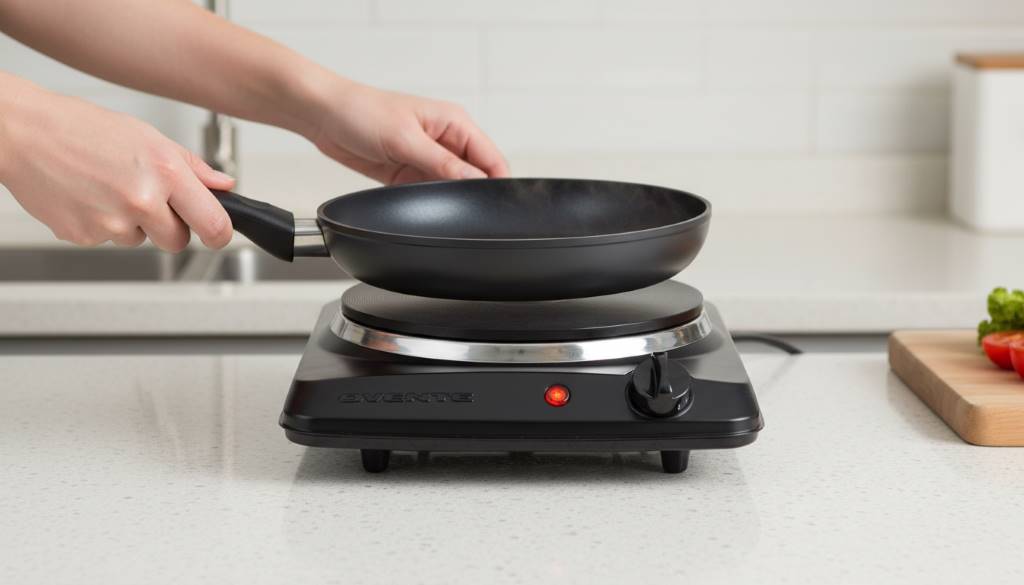
The unit features a sturdy cast iron plate, adjustable temperature knob, power indicator light, and non-slip feet. Stainless steel housing resists rust and stays cool on the sides. These details make it durable for everyday tasks.
Setting Up Your Hot Plate Safely
Location matters most when you start. Place the hot plate on a flat, stable counter away from edges. Keep it far from water sources like sinks. Water and electricity never mix well.
Next, check the power cord. Plug it directly into a wall outlet. Avoid extension cords or power strips, as they can overheat. The 1000W draw needs a dedicated circuit.
Clear the area around the unit. Remove paper towels, curtains, or flammable items within three feet. Heat radiates outward, so give it space to breathe.
Turn the knob to off before plugging in. The indicator light glows red when power flows. This simple check prevents surprise starts.
Finally, test on low heat first. Watch for unusual smells or sparks. Stop use immediately if anything seems wrong.
Understanding Temperature Controls
The OVENTE hot plate offers five heat levels. Low settings work great for warming soups or melting chocolate. Medium handles simmering sauces. High brings water to a boil quickly.
Always start low and increase gradually. Sudden high heat stresses the cast iron plate. Moreover, it reduces burn risks.
Match cookware to the plate size. Pots larger than 7.25 inches overhang and tip easily. Smaller ones heat unevenly. Flat-bottom pans ensure best contact.
Cast iron, stainless steel, and enamel work perfectly. Avoid glass unless marked heat-safe. Uneven heating can cause cracks.
Daily Cooking Safety Practices
Never leave the hot plate unattended while on. Most cooking fires start from forgotten appliances. Set a timer as a reminder.
Keep children and pets away. The surface reaches over 500 degrees Fahrenheit on high. Touching it causes severe burns instantly.
Use oven mitts every time you adjust pots. Handles get hot fast. Additionally, lift lids away from you to let steam escape safely.
Stir foods regularly. This prevents sticking and hot spots. For example, when boiling pasta, occasional stirring keeps water moving evenly.
If oil splatters, turn off the heat right away. Cover grease fires with a metal lid, never water. Water spreads flames quickly.
After cooking, turn the knob to off. Unplug the unit and let it cool completely. The cast iron holds heat for up to 30 minutes.
Choosing the Right Cookware
Cookware choice affects both safety and results. Heavy bottoms distribute heat better. Thin pans warp and create dangers.
Always use pots with handles. This lets you move them safely. Wooden or heat-resistant handles stay cooler longer.
Fill pans no more than two-thirds full. Overfilling leads to spills when contents bubble. Spills on hot plates smoke and burn.
Dry pan bottoms before placing them on the plate. Water droplets sizzle and splatter dangerously.
For frying, use deep pans. This contains oil better. Shallow skillets increase splash risks.
Cleaning and Maintenance Tips
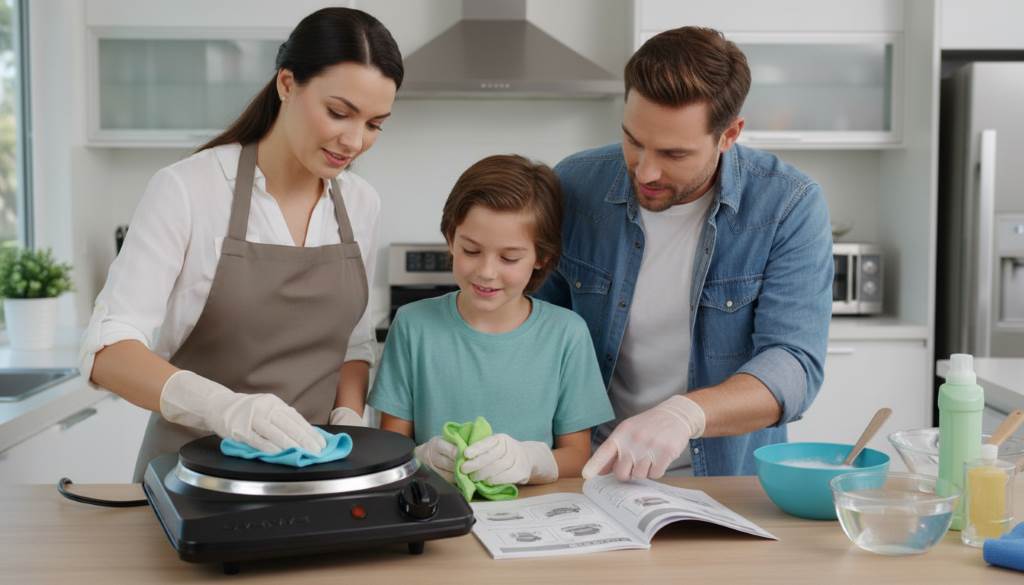
Clean only when fully cool. Warm plates cause cleaning liquids to steam and burn skin.
Wipe the cast iron plate with a damp cloth. Avoid soaking it. Water trapped underneath rusts the element.
For stuck food, use a plastic scraper gently. Metal tools scratch the surface and reduce efficiency.
Clean the stainless steel body with mild soap. Dry thoroughly to prevent spots.
Store in a dry cabinet. Wrap the cord loosely to avoid kinks. Regular checks keep it working smoothly.
Inspect the cord monthly. Look for frays or cracks. Replace damaged units immediately.
Common Mistakes to Avoid
Many users place hot plates near walls. Heat builds up and damages paint or cabinets. Always leave clearance.
Another error involves using outdoors in damp conditions. Moisture enters vents and shorts circuits.
Some cover the plate while hot. Trapped heat warps components over time.
Overloading circuits happens often. Running microwave and hot plate together trips breakers or worse.
Ignoring the power light leads to forgotten units. Always double-check before leaving the kitchen.
Related:
Kitchen Renovation ROI: Smart Updates That Add Serious Value to Your Home
The Ultimate Guide to Commercial Kitchen Hood Exhaust Calculation
Advanced Safety Features and Habits
The OVENTE model includes non-slip feet. These grip counters firmly during stirring.
Built-in thermal protection cuts power if overheating occurs. However, do not rely on this alone.
Create a kitchen fire plan. Keep a fire extinguisher rated for electrical and grease fires nearby.
Teach family members proper use. Everyone benefits from shared knowledge.
Consider smoke detectors in cooking areas. Fresh batteries save lives.
Troubleshooting Safe Solutions
If the plate heats slowly, check outlet power. Try another appliance to test the socket.
Uneven heating often means wrong cookware. Switch to flat-bottom pans.
Strange noises suggest loose parts. Unplug and inspect carefully.
Smoke on first use is normal. Burn-off coating disappears after brief heating.
Persistent problems mean professional service. Safety comes first.
Benefits of Safe Hot Plate Cooking
Safe practices let you enjoy extra cooking space. Prepare side dishes while the main stove works.
Students in dorms gain independence. Quick meals become possible without shared kitchens.
Campers extend meal options. Hot breakfasts start days right.
Elderly users appreciate countertop height. No bending over low stoves.
Families during renovations keep routines. Normal meals continue smoothly.
Emergency Response Steps
If a fire starts, turn off the unit if safe. Evacuate and call emergency services.
For small grease fires, slide a lid over the pan. Turn off heat and wait for cooling.
Electrical smells mean unplug immediately. Do not touch with wet hands.
Burns need cool running water for 20 minutes. Seek medical help for serious cases.
Keep emergency numbers visible. Quick action reduces harm.
Long-Term Care for Lasting Safety
Rotate use with other cooking methods. This prevents element wear.
Clean after every few uses. Buildup reduces heat transfer.
Store properly between seasons. Dust covers protect surfaces.
Replace after years of heavy use. New models offer updated safety.
Share tips with friends. Community awareness prevents accidents.
Conclusion
Safe use of your OVENTE single burner hot plate brings convenience without worry. Follow these steps daily. You protect your home and family.
Start today with proper setup. Practice mindful cooking habits. Enjoy delicious meals confidently.
Ready to cook safely? Grab your hot plate and begin your next meal with peace of mind.
FAQs
How long can I leave the OVENTE hot plate on?
Limit continuous use to two hours. Turn it off and let it cool between sessions. This prevents overheating.
Can I use aluminum foil on the hot plate?
No. Foil melts and creates fire hazards. Use proper cookware instead.
Is the hot plate safe for indoor use only?
Yes. Use it in well-ventilated indoor spaces. Never use in tents or enclosed outdoor areas.
What should I do if the power light stays on after turning off?
Unplug immediately. This indicates a fault. Contact support for repair or replacement.
Can children use the hot plate under supervision?
Only with close adult supervision. Teach safety rules first. Keep them at a safe distance.
References
- National Fire Protection Association Home Cooking Fires Report: https://www.nfpa.org/education-and-research/research/nfpa-research/fire-statistical-reports/home-cooking-fires
- NFPA Heating Equipment Safety: https://www.nfpa.org/education-and-research/home-fire-safety/heating
- CPSC Electrical Safety Guidelines: https://www.cpsc.gov/Safety-Education/Safety-Guides/Electrical
- General Electric Hot Plate Safety Practices: https://www.nfpa.org/news-blogs-and-articles/blogs/2018/02/16/nfpa-1-requirements-for-portable-electric-heaters-and-other-heating-appliances-firecodefridays