Fresh pasta changes everything. You bite into tender sheets or perfectly textured noodles, and suddenly store-bought versions feel flat. In 2026, more people roll their own dough at home than ever before. The International Pasta Organisation reports that global production reached 17 million tonnes in recent years, yet homemade pasta delivers flavor and texture no factory can match. Additionally, the average American eats about 20 pounds of pasta annually, so fresh versions make those meals even better.
If you want inspiration, many enthusiasts share their favorite top pasta makers that perform reliably year after year. This guide helps you pick the right one for your kitchen. You will learn about types, essential features, and practical tips. Soon, you will create restaurant-quality pasta with confidence.
Why Make Homemade Pasta in 2026?
Homemade pasta tastes superior. You control the ingredients, so you avoid additives and enjoy richer flavor. Moreover, fresh pasta cooks faster and absorbs sauces better.
Health benefits stand out too. You choose high-quality flour and add eggs or vegetables easily. Many home cooks experiment with whole wheat or gluten-free options. As a result, meals become more nutritious.
The process brings joy. Rolling dough relaxes you after a long day. Families often gather to crank the handle and cut shapes together. These moments create lasting memories.
Trends in 2026 favor authenticity. People seek real food experiences. A pasta maker fits perfectly into that lifestyle. It turns simple ingredients into something special.
Types of Pasta Makers Available Today
Pasta makers come in three main styles. Each suits different needs and skill levels. Understanding them helps you decide quickly.
Manual Pasta Makers
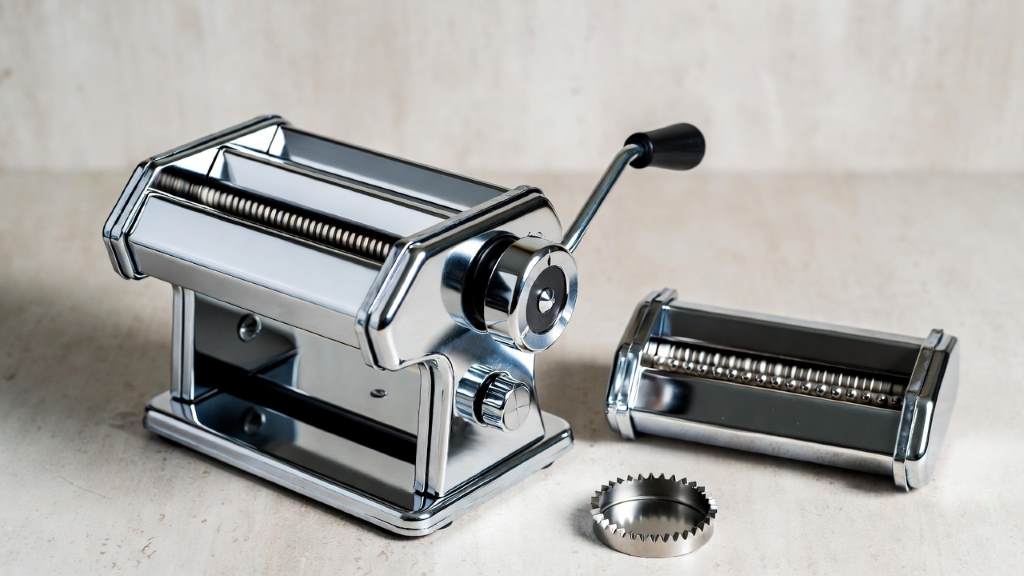
Manual models dominate home kitchens. You feed dough through rollers and turn a crank by hand. Classic designs like the Marcato Atlas 150 shine here.
These machines offer full control. You feel the dough’s texture and adjust as needed. Additionally, they stay compact and store easily.
Cleanup proves simple. Most parts wipe down quickly. However, they require some effort, especially for large batches.
Electric Pasta Rollers and Attachments
Electric rollers automate the process. Many attach to stand mixers like KitchenAid. The motor powers the rollers, so you guide the dough with both hands.
These save time and energy. They handle bigger quantities without tiring you out. Furthermore, they produce consistent sheets every time.
Stand mixer owners love this option. You expand your appliance’s uses. Results match manual quality with less work.
Pasta Extruders
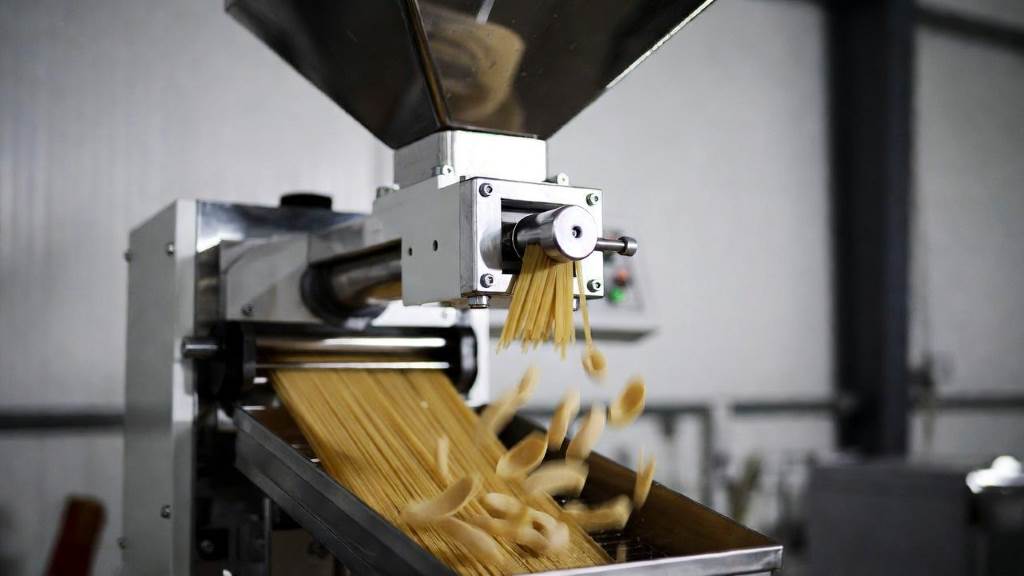
Extruders mix, knead, and shape pasta automatically. Models like the Philips Artisan Smart Pasta Maker lead this category.
You add flour and liquid, then select a die. The machine pushes dough through to form shapes like rigatoni or fusilli. Consequently, short pasta becomes effortless.
These excel for variety. Multiple dies create different noodles quickly. They also weigh ingredients in some advanced versions.
However, extruded pasta has a slightly different texture than rolled. Many cooks prefer rolled for long sheets, but extruders win for convenience.
Key Features to Consider When Buying
Smart choices depend on specific details. Focus on these elements to find a lasting machine.
Build quality matters most. Look for stainless steel or sturdy aluminum. These materials resist rust and last decades. Avoid thin metals that bend easily.
Adjustment settings provide versatility. Good models offer at least nine thickness levels. This range lets you make everything from delicate angel hair to thick lasagna sheets.
Cutting attachments add value. Basic machines include spaghetti and fettuccine cutters. Extra options for tagliatelle or ravioli expand your menu.
Stability keeps things safe. A strong clamp secures the machine to your counter. Suction feet work on some electrics. Either way, prevent slipping during use.
Ease of cleaning saves frustration. Detachable parts help tremendously. Dishwasher-safe components make maintenance quick.
Weight and size affect storage. Manual machines stay lightweight and slim. Extruders take more counter space but handle full meals.
Motor power counts in electrics. Stronger motors process tough dough without stalling. Look for reliable brands with proven performance.
Manual vs Electric: Which Suits You Best?
Beginners often start with manual machines. They teach you dough consistency through touch. You learn quickly and gain confidence.
Experienced cooks appreciate the ritual. Cranking connects you to traditional Italian methods. Many professionals still prefer manual for filled pasta.
Electric options appeal to busy households. They reduce physical effort significantly. Parents or older cooks find them more accessible.
Large families benefit from speed. Electric models produce pounds of pasta faster. You serve crowds without exhaustion.
Budget plays a role too. Manual machines generally cost less upfront. Electric extruders represent a bigger investment but save time long-term.
Texture preference decides for some. Rolled pasta has a signature bite. Extruded offers uniform shapes ideal for certain sauces.
Try both if possible. Borrow from friends or visit cooking stores. Personal feel often makes the choice clear.
How to Use a Pasta Maker Safely and Effectively
Start with the right dough. Use “00” flour for authentic texture. Semolina adds chew to certain shapes.
Rest dough properly. Wrap it in plastic for 30 minutes after kneading. This relaxes gluten and prevents tearing.
Flour generously. Dust dough and rollers to avoid sticking. Too little flour creates messes.
Feed small pieces first. Flatten dough by hand before rolling. Begin at the widest setting.
Gradually thin the sheets. Pass dough through each setting once or twice. Fold and repeat for smooth results.
Cut immediately or dry slightly. Fresh pasta cooks in minutes. Hang sheets briefly if making long strands.
Practice patience. Your first attempts may look uneven. Skills improve rapidly with each batch.
Store fresh pasta correctly. Dry completely for pantry storage or refrigerate for a few days. Freeze extras in portions.
Cleaning and Maintenance Tips for Longevity
Clean after every use. Dried dough becomes cement-like and damages parts.
Disassemble carefully. Remove cutters and wipe rollers with a dry brush. Never submerge manual machines in water.
Use a toothpick for crevices. Small bits hide in gears. Gentle scraping removes them safely.
Dry thoroughly. Moisture causes rust on steel parts. Air dry completely before storing.
Oil moving parts occasionally. A drop of mineral oil keeps cranks smooth. Wipe excess away.
Store properly. Cover manual machines to prevent dust. Keep extruders in dry cabinets.
Inspect regularly. Check for loose screws or worn clamps. Tighten as needed.
Polish stainless steel. A soft cloth restores shine and removes fingerprints.
Popular Pasta Makers to Consider in 2026
Marcato Atlas 150 remains a favorite. Cooks praise its precision and durability. The classic design produces flawless sheets consistently.
Philips electric extruders impress with smart features. Automatic weighing and multiple dies simplify the process. Users love the hands-free operation.
Imperia machines offer Italian craftsmanship. Solid construction and smooth rolling earn loyal fans.
KitchenAid attachments integrate seamlessly. Stand mixer owners expand capabilities easily. Consistent results match standalone models.
Newer models add motors to manual designs. Marcato’s motorized versions combine tradition with convenience.
Look for user reviews from trusted sources. Serious Eats and Food & Wine test rigorously. Their findings guide many purchases.
Common Mistakes Beginners Make
Over-kneading dough creates tough pasta. Stop when smooth and elastic. Resting fixes most issues.
Starting too thin causes tears. Always begin wide and progress slowly. Patience prevents frustration.
Skipping flour leads to sticking. Generous dusting makes everything smoother.
Rushing the process yields uneven results. Take time at each step. Quality comes from care.
Ignoring rest time makes dough springy. Wrapped rest relaxes it perfectly.
Forgetting to clamp securely risks accidents. Double-check stability before cranking.
Overloading extruders stalls motors. Follow capacity guidelines carefully.
Conclusion
Choosing the right pasta maker opens a world of delicious possibilities. You now understand types, features, and practical tips. Manual models offer control and tradition. Electric versions bring speed and ease. Extruders deliver variety effortlessly.
Start with your cooking style and needs. Consider space, frequency, and preferred shapes. The perfect machine waits to transform your meals.
Pick one today and roll your first batch this weekend. Fresh pasta with simple sauce will convince you forever. Enjoy the process and savor every bite.
FAQs
What type of pasta maker works best for beginners?
Manual rollers like the Marcato Atlas 150 suit beginners perfectly. They teach dough handling while staying affordable and reliable.
Can I make gluten-free pasta with these machines?
Yes. Most machines handle alternative flours well. Use xanthan gum for binding and adjust hydration carefully.
How long does fresh pasta last?
Refrigerate up to three days. Freeze portions for months. Dried homemade pasta stores like commercial versions.
Do electric extruders make filled pasta?
No. Extruders shape hollow or solid noodles. Use rollers for ravioli or tortellini sheets.
Is homemade pasta healthier than store-bought?
Often yes. You control ingredients and avoid preservatives. Fresh versions also cook faster, retaining more nutrients.
References
- https://www.seriouseats.com/best-pasta-makers-7098725
- https://www.foodandwine.com/news/best-pasta-makers
- https://internationalpasta.org/
- https://www.bonappetit.com/story/best-pasta-makers