
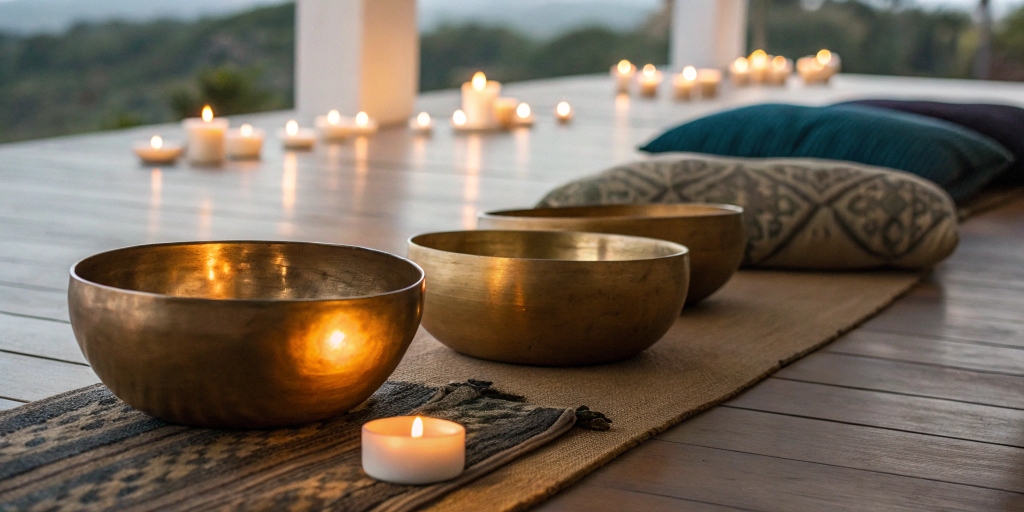
Imagine stepping into a calm space filled with soft light, gentle scents, and soothing vibrations that seem to melt stress away. Sound therapy singing bowls can create that exact experience during a meditation spa day. These bowls produce resonant tones that help the mind slow down and the body relax deeply. Research from the National Center for Complementary and Integrative Health shows that meditation practices reduce stress and anxiety levels in many adults. Another study published in the Journal of Evidence Based Complementary and Alternative Medicine found that singing bowl sessions can lower tension, anger, and fatigue. This guide explains how to use singing bowls effectively so you can create a meaningful spa day that supports relaxation, mindfulness, and emotional balance. We suggest visiting the laser hair removal in midtown Manhattan.
Understanding Sound Therapy Singing Bowls
Sound therapy singing bowls are traditional instruments used for meditation and healing. Practitioners strike or rub the bowl to produce vibrations that travel through the air and body. These vibrations can influence brainwave patterns and promote relaxation.
What Makes Singing Bowls Effective
The effectiveness comes from resonance and harmonic frequencies. Sound waves interact with the nervous system and encourage a parasympathetic response. As a result, breathing slows, and muscles release tension. Visit the best anti aging facial in midtown Manhattan to get the best care for anti-aging.
Common benefits include:
• Deep relaxation and stress relief
• Improved focus during meditation
• Emotional release and mental clarity
• Support for sleep and recovery
• Enhanced body awareness
Types of Singing Bowls Used in Spa Meditation
Different bowls produce unique tones and effects. Choosing the right type shapes the overall spa experience.
Tibetan Singing Bowls
These metal bowls blend multiple alloys. They create rich and layered sounds that work well for grounding and deep meditation.
Crystal Singing Bowls
Crystal bowls produce pure tones that feel lighter and more ethereal. Many spa environments use them for chakra balancing and emotional healing.
Frosted Crystal Bowls
These bowls offer stronger vibrations that can be felt physically. Practitioners often use them in group meditation sessions.
The Science Behind Sound Healing
Sound therapy relies on vibrational medicine principles. Every organ and cell vibrates at a specific frequency. When stress disrupts this natural rhythm, sound can help restore balance.
Brainwave Entrainment
Singing bowl tones can guide the brain into alpha and theta states. These states support relaxation, creativity, and meditative awareness.
Nervous System Regulation
Gentle sound reduces cortisol levels and activates the relaxation response. Consequently, many people feel calmer and more present after sessions.
Emotional Processing
Resonant tones create a safe sensory environment. This allows emotional tension to surface and release without force.
Planning a Meditation Spa Day with Singing Bowls
A successful spa day begins with thoughtful preparation. Setting intention and designing the environment ensures a deeper experience.
Define Your Purpose
Clarify the goal of your spa day. Some people seek stress relief while others want emotional healing or spiritual connection. Knowing your intention shapes the session structure.
Choose a Suitable Space
The environment should feel peaceful and distraction-free. Soft lighting, minimal noise, and comfortable seating support immersion.
Helpful space preparation tips:
• Use warm lights or candles for a gentle ambiance
• Keep the area clutter-free
• Add cushions or yoga mats for comfort
• Maintain moderate room temperature
• Reduce electronic distractions
Select Supporting Spa Elements
A meditation spa day can include additional sensory elements that complement sound therapy.
Examples include:
• Aromatherapy with calming essential oils
• Herbal tea rituals
• Gentle stretching or yoga
• Breathwork exercises
• Guided meditation
Preparing Your Singing Bowls for Use
Proper preparation ensures clear sound and smooth flow during meditation.
Clean and Inspect the Bowls
Wipe the bowl with a soft cloth to remove dust. Ensure there are no cracks or chips that might affect resonance.
Choose the Right Mallet
Mallet material changes the sound quality. Wooden mallets create crisp tones while suede-covered mallets produce softer vibrations.
Tune into the Bowl
Before starting the session, spend a few minutes listening to the bowl’s tone. This helps you connect with the instrument and set intention.
Creating a Relaxing Spa Atmosphere
Atmosphere plays a vital role in sound therapy effectiveness. A soothing environment helps participants surrender to the experience.
Lighting and Visual Elements
Soft light encourages relaxation. Many spa practitioners use candles, salt lamps, or diffused natural light.
Aromatherapy Pairings
Certain scents enhance sound meditation effects.
Recommended pairings:
• Lavender for calm and sleep support
• Sandalwood for grounding
• Frankincense for spiritual focus
• Chamomile for emotional comfort
• Eucalyptus for clarity and breath awareness
Temperature and Comfort
Ensure participants remain warm and comfortable. Blankets, shawls, or heated mats can enhance relaxation.
Step-by-Step Guide to Using Singing Bowls During Meditation
This practical method helps beginners and professionals create a meaningful sound meditation session.
Step 1: Set Intention
Invite participants to close their eyes and take slow breaths. Encourage them to focus on a personal intention for the session.
Step 2: Begin with Gentle Strikes
Lightly strike the bowl to introduce sound. Allow silence between tones so the vibration fades naturally.
Step 3: Transition to Circular Playing
Gently rub the rim with the mallet. Maintain consistent pressure and speed to produce sustained resonance.
Step 4: Guide Breathing with Sound
Match bowl tones with breathing rhythms. For example, play a tone during exhale to deepen relaxation.
Step 5: Move Sound Around the Space
If using multiple bowls, change position to create a sound journey. This variation keeps the mind engaged yet calm.
Step 6: Close with Silence
Silence is as powerful as sound. End the session with quiet reflection so participants can integrate the experience.
Incorporating Singing Bowls into Different Spa Rituals
Sound therapy fits easily into many spa activities. Combining modalities enhances relaxation and mindfulness.
Sound Bath Meditation
Participants lie down while multiple bowls create layered sound waves. This immersive experience promotes deep relaxation.
Facial or Body Treatment Enhancement
Soft bowl tones during treatments can reduce anxiety and improve sensory awareness.
Chakra Balancing Sessions
Practitioners align bowl frequencies with chakra centers. This approach supports energetic harmony and emotional balance.
Guided Visualization with Sound
Narrated meditation combined with bowl tones helps participants visualize calming scenes and release stress.
Techniques for Advanced Practitioners
Once comfortable with basic playing, advanced techniques can deepen the spa experience.
Harmonic Layering
Using multiple bowls simultaneously creates complex sound textures that promote deeper trance states.
Pulsing Rhythm Patterns
Alternating tones in rhythmic patterns can guide breathing and mental focus.
Spatial Sound Movement
Moving bowls around participants changes the perception of sound direction. This technique enhances immersion.
Intuitive Sound Healing
Experienced practitioners often play bowls intuitively. They respond to the energy of the room and participant reactions.
Benefits of Singing Bowls During a Meditation Spa Day
Regular sound therapy practice offers holistic wellness benefits that extend beyond the session.
Mental Health Support
Singing bowls can reduce anxiety, improve mood, and promote mental clarity.
Physical Relaxation
Vibrations encourage muscle release and support circulation.
Emotional Healing
Sound therapy provides a gentle pathway for emotional processing and self-awareness.
Spiritual Connection
Many individuals report feeling more connected to their inner selves after sound meditation.
Case Study Example of a Spa Sound Therapy Session
A wellness retreat in California introduced weekly singing bowl meditation sessions. Participants reported improved sleep and reduced stress levels after four weeks. Survey data showed that over seventy percent felt calmer and more emotionally balanced. This example highlights how structured sound therapy can enhance spa experiences and long-term well-being.
Tips for Beginners Using Singing Bowls
Starting with simple practices helps build confidence and skill.
Helpful beginner tips:
• Start with one bowl to understand its tone
• Practice slow and steady circular motion
• Focus on listening rather than perfect technique
• Keep sessions short at first
• Record practice sessions to observe improvement
Common Mistakes to Avoid
Avoiding common errors ensures smoother sessions and better sound quality.
Frequent mistakes include:
• Pressing the mallet too hard on the rim
• Rushing between tones without silence
• Overloading the session with too many bowls
• Ignoring participant comfort or feedback
• Playing without intention or focus
Combining Singing Bowls with Mindfulness Practices
Sound therapy works best when paired with mindfulness techniques.
Breath Awareness
Encourage slow breathing synchronized with bowl tones.
Body Scan Meditation
Participants mentally scan the body while listening to vibrations.
Loving Kindness Meditation
Soft tones can support compassionate reflection and emotional openness.
Journaling After the Session
Writing reflections helps integrate insights and emotional shifts.
How Often to Use Singing Bowls in Spa Meditation
Frequency depends on individual goals and schedule.
General guidelines:
• Weekly sessions for stress management
• Monthly sound baths for a deep reset
• Daily short sessions for personal practice
• Retreat experiences for immersive healing
Safety and Ethical Considerations
Sound therapy remains safe for most individuals. However, practitioners should consider participant needs.
Important considerations:
• Maintain comfortable sound volume
• Check for sensitivity to sound or vibration
• Avoid placing bowls directly on the body without training
• Respect emotional responses during sessions
• Encourage hydration and rest afterward
Enhancing Client Experience During Spa Sound Sessions
Client comfort and engagement shape the success of a spa day.
Ways to improve experience:
• Provide clear session guidance
• Offer grounding exercises after sound meditation
• Allow time for sharing reflections
• Use gentle transitions between activities
• Create personalized sound journeys
Integrating Sound Therapy into Home Spa Days
You do not need a professional spa to enjoy singing bowls. A simple home setup can create a meaningful experience.
Home Setup Ideas
- Use a quiet room with minimal distractions
• Add soft blankets and cushions
• Play a single bowl for short sessions
• Pair with aromatherapy or herbal tea
• Practice gratitude reflection after meditation
Long-Term Wellness Impact of Singing Bowl Meditation
Consistent sound therapy can influence daily well-being. Many practitioners report improved emotional resilience, better focus, and deeper sleep. Over time, the practice can become a reliable self-care ritual that supports holistic health.
Conclusion
Sound therapy singing bowls can transform a meditation spa day into a deeply restorative experience. Their vibrations calm the nervous system, support emotional release, and enhance mindfulness. By preparing the environment, selecting the right bowls, and using simple playing techniques, anyone can create a meaningful sound meditation session. Whether you visit a spa or design a home retreat, the key lies in intention, presence, and gentle listening. Start with one bowl, practice regularly, and allow the sound to guide relaxation and self-awareness. Create your next meditation spa day with singing bowls and experience the power of healing vibrations. Finally, we recommended the best facials in midtown Manhattan and the best manicure in midtown Manhattan to know more details.
FAQs
How long should a singing bowl meditation session last
Most sessions last between fifteen and forty-five minutes. Beginners can start with shorter sessions and gradually extend the duration.
Can beginners use singing bowls effectively?
Yes. Simple, striking, and slow circular motion creates beautiful tones. Practice and mindful listening improve skills over time.
Do singing bowls really reduce stress?
Research shows sound meditation can lower tension and anxiety. Many participants report feeling calmer and more relaxed after sessions.
Is it safe to place singing bowls on the body?
This practice requires training. Beginners should avoid placing bowls directly on the body until they learn proper techniques.
What is the best time for a sound therapy spa session
Morning sessions promote clarity while evening sessions support relaxation and sleep. Choose a time that fits your intention.