
Your roof is one of the most important parts of your home. It protects everything beneath it — your family, your belongings, and your walls. Choosing the right roofing material is therefore one of the biggest decisions a homeowner can make.
In 2026, the choices are better than ever. Technology has improved. New materials last longer, perform better, and look great too. However, with so many options available, it can be hard to know where to start.
This article will walk you through everything you need to know. You will learn which materials offer the best durability, what factors to consider before buying, and how to make a smart decision that protects your home for decades.
Why Roofing Material Choice Matters So Much
Many homeowners focus on curb appeal when choosing a roof. That makes sense. Your roof is one of the first things people notice. However, looks should not be your only priority.
The material you choose affects how well your home holds up against weather, heat, cold, and moisture. It also affects your energy bills, your insurance premiums, and the resale value of your property. Additionally, a poor choice can lead to expensive repairs just a few years down the road.
Therefore, understanding your options before you commit is essential. A little research now can save you thousands of dollars later.
Key Factors to Consider Before Choosing a Roofing Material
Before diving into specific materials, think about your situation. Every home is different, and so is every climate.
Your Local Climate
Climate is the single biggest factor in roofing decisions. A material that works perfectly in a dry desert town may fail quickly in a humid coastal region. Heavy snow regions need roofs that can bear significant weight. Areas with high winds need materials that resist lifting and tearing.
Think about the weather patterns in your area throughout the year. Consider how extreme your summers and winters can get. This will narrow your options considerably and point you toward materials designed for your specific conditions.
Your Budget
Roofing costs vary widely. Some materials are affordable upfront but require more maintenance over time. Others cost more at installation but last two or three times longer. Therefore, it is important to think in terms of long-term value rather than just the initial price.
Calculate the cost per year over the expected lifespan of the material. A roof that costs more but lasts 50 years may actually be cheaper in the long run than one that costs less but needs replacing in 20 years.
Your Home’s Structure
Not every roof can support every material. Heavy materials like slate or clay tiles require a strong structural foundation. If your home was not originally built to carry that kind of weight, you may need expensive structural upgrades before installation.
Always consult a professional contractor before making a final decision. They can assess your roof’s current structure and tell you which materials are realistic for your home.
Energy Efficiency Goals
Many homeowners today want roofs that help reduce energy costs. Reflective roofing materials bounce sunlight away from your home. This keeps your attic cooler and reduces the strain on your air conditioning system. Additionally, some materials pair well with solar panels, making them a smart choice for eco-conscious homeowners.
A Look at the Most Durable Roofing Materials in 2026
Asphalt Shingles
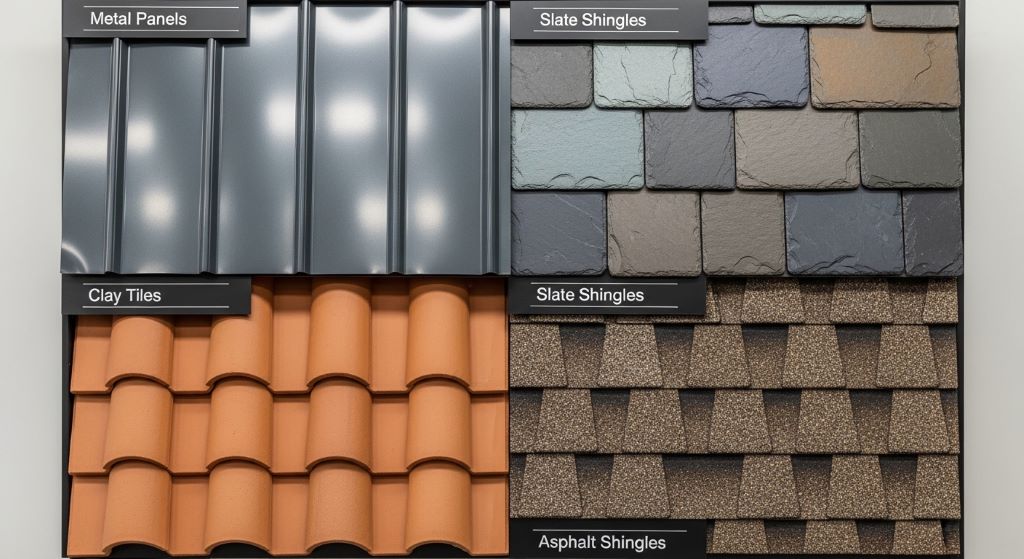
Asphalt shingles remain the most popular roofing choice in North America. They are affordable, widely available, and easy to install. Modern versions have improved significantly. Architectural asphalt shingles now offer better wind resistance, longer warranties, and a more attractive appearance than their older counterparts.
A quality asphalt shingle roof can last 25 to 30 years with proper maintenance. They work well in a variety of climates. However, they are not the best choice for extremely hot or humid environments, where they can degrade faster.
For homeowners on a moderate budget who want a reliable and proven option, asphalt shingles are hard to beat.
Metal Roofing
Metal roofing has surged in popularity over the past decade. It is one of the most durable roof types available today. Steel, aluminum, copper, and zinc are all common choices. Each has its own strengths.
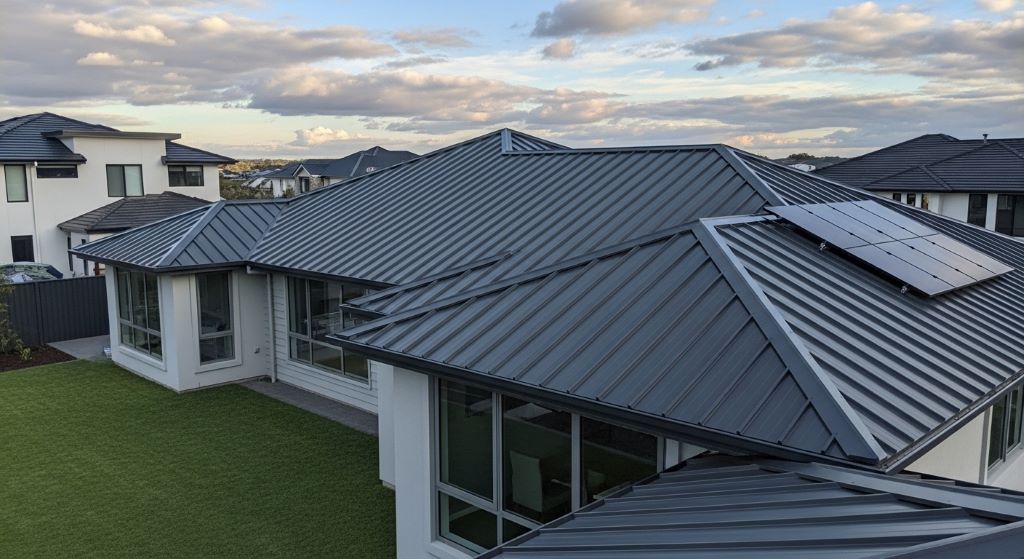
Metal roofs can last 40 to 70 years depending on the material and the climate. They are highly resistant to wind, fire, and heavy rain. Additionally, they reflect solar heat effectively, which helps lower cooling costs in warmer climates.
The upfront cost is higher than asphalt, but the long lifespan and low maintenance needs make metal an excellent long-term investment. It is also one of the most eco-friendly options since many metal roofs are made from recycled materials and are fully recyclable at the end of their life.
Slate Roofing
Slate is one of the oldest and most prestigious roofing materials in existence. It is a natural stone product that offers extraordinary durability. A well-installed slate roof can last 75 to 150 years. That means a slate roof installed today could still be protecting a home a century from now.
Slate is fire-resistant, moisture-resistant, and extremely attractive. It adds significant character and value to any home. However, it is also one of the heaviest and most expensive roofing materials available. Not every home can structurally support it.
Installation requires skilled professionals who specialize in natural stone roofing. Therefore, labor costs are higher as well. For homeowners who can afford it and whose homes can support the weight, slate is among the finest choices available.
Clay and Concrete Tiles
Clay and concrete tiles are especially common in warm, dry climates like those found in the American Southwest, Spain, and parts of Australia. They are known for their distinctive appearance and impressive durability.
Clay tiles can last 50 to 100 years. Concrete tiles are slightly less durable but more affordable. Both options are fire-resistant and handle heat exceptionally well. They allow air circulation beneath the tiles, which helps keep homes cooler naturally.
Like slate, these tiles are heavy. Your home’s structure needs to be assessed before installation. Additionally, broken tiles can be a maintenance issue in areas with frequent hail or falling debris. Overall, however, these are among the most durable roof types for the right climate and structure.
Synthetic Roofing Materials
Synthetic roofing is one of the most exciting categories in 2026. Manufacturers now produce synthetic slate, synthetic wood shake, and composite shingles that closely mimic the appearance of natural materials at a fraction of the cost.
These products are made from recycled rubber, plastic, or polymer materials. They are lightweight, which makes them suitable for a wider range of homes. They are also resistant to impact, fire, and moisture. Many synthetic options come with warranties of 40 to 50 years.
Among modern roofing options, synthetic materials strike an impressive balance between aesthetics, performance, and affordability. They are particularly appealing to homeowners who love the look of slate or wood shake but want lower costs and easier installation.
TPO and Flat Roofing Systems
Flat roofs require a completely different approach. For low-slope or flat roofs, thermoplastic polyolefin — commonly known as TPO — has become the leading choice. It is a single-ply membrane that reflects heat, resists punctures, and handles pooling water effectively.
TPO roofs typically last 20 to 30 years. They are lightweight, affordable, and relatively easy to repair. They are a top choice for commercial buildings but are also used on modern residential homes with flat or low-slope designs.
If you have a flat roof or a contemporary home with a minimal slope, TPO is worth serious consideration.
How to Compare Your Options Side by Side
Once you know the main materials, compare them based on factors that matter most to your situation. Consider lifespan, cost, climate suitability, weight, and maintenance requirements together.
Here is a simple way to approach the comparison:
- List your top three priorities, such as durability, low maintenance, and energy efficiency.
- Research which materials score well in each of those areas.
- Get at least three quotes from licensed roofing contractors in your area.
- Ask each contractor which material they recommend for your specific home and why.
Additionally, check for local building codes and homeowners association rules. Some neighborhoods restrict certain roofing materials or colors. Knowing these rules early saves you from costly mistakes later.
The Importance of Professional Installation
Even the best roofing material will fail if it is installed incorrectly. Professional installation is not optional — it is essential. A skilled roofer understands proper ventilation, waterproofing, flashing, and fastening techniques that protect your home from leaks and weather damage.
Always hire licensed, insured contractors with verifiable references. Check their reviews and ask to see examples of previous work. Furthermore, make sure your contract outlines the specific materials being used, the timeline, and the warranty details.
A well-installed roof of any quality material will always outperform a poorly installed premium one.
Maintenance Tips to Extend the Life of Any Roof
No matter which material you choose, regular maintenance extends its life significantly. Even the most durable roofing requires occasional attention.
- Inspect your roof visually at least twice a year, ideally in spring and fall.
- Clear debris like leaves and branches from gutters and valleys after storms.
- Look for cracked, curling, or missing shingles and replace them promptly.
- Check flashing around chimneys, vents, and skylights for signs of rust or separation.
- Have a professional inspection done every three to five years, or after a major storm.
These simple steps can add years to the life of your roof and prevent small problems from becoming expensive repairs.
Conclusion
Choosing the right roofing material in 2026 comes down to four key things: your climate, your budget, your home’s structure, and your long-term goals. There is no single best answer for everyone. However, the right answer for you absolutely exists.
Asphalt shingles offer reliable value for most homeowners. Metal roofing provides exceptional longevity and energy efficiency. Slate and clay tiles deliver premium durability and timeless beauty. Synthetic materials give you high performance at a more accessible price. Flat roofing systems like TPO serve modern and commercial structures well.
Among modern roofing options, there has never been a better time to invest in a roof that will truly last. Take your time, do your research, and work with a trusted professional. The right roof will protect your home beautifully for decades to come.
Frequently Asked Questions
What is the most durable roofing material available in 2026?
Slate is widely considered the most durable natural roofing material, with a lifespan of up to 150 years. Metal roofing is also among the most durable roof types, lasting 40 to 70 years with minimal maintenance. The best choice depends on your budget and your home’s structure.
How often should a roof be replaced?
It depends on the material. Asphalt shingles typically need replacement every 20 to 30 years. Metal roofs can last 40 to 70 years. Slate and clay tile roofs can last a century or more. Regular maintenance and timely repairs can extend the life of any roof significantly.
Which roofing material is best for hot climates?
Clay tiles, metal, and cool-roof coatings work best in hot climates. These materials either reflect sunlight or allow airflow beneath them, keeping homes cooler and reducing air conditioning costs. TPO membranes are also highly reflective and suitable for flat-roof homes in warm regions.
Are synthetic roofing materials worth considering?
Yes, absolutely. Synthetic roofing materials have improved dramatically. They now offer the look of natural materials like slate or wood at a lower cost. They are lightweight, durable, and often come with 40 to 50 year warranties. They represent some of the best modern roofing options for budget-conscious homeowners.
How do I know if my home can support a heavy roofing material like slate or clay tiles?
You need a structural assessment from a licensed contractor or structural engineer. They will inspect your roof framing and determine whether it can safely support the additional weight. If your home cannot, reinforcement is possible but adds to the overall cost of the project.
Related Topics:
How to Install Peel & Stick Backsplash in Your Kitchen
Cozy Minimalist Home Decor Ideas for a Calm, Welcoming Space