
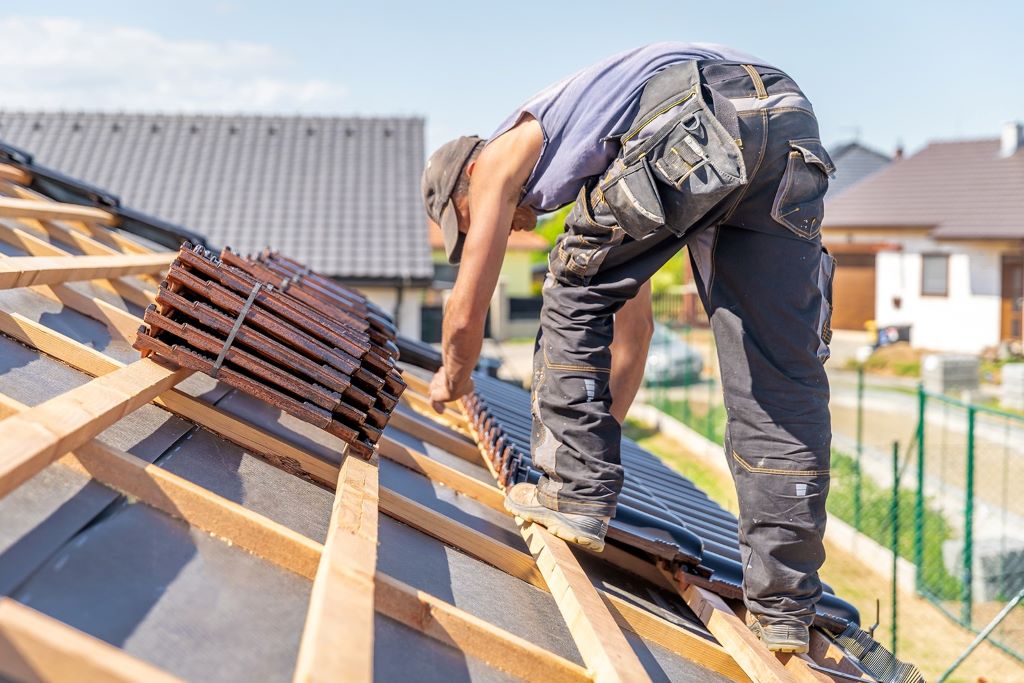
Colorado Springs, with its stunning mountain vistas and unpredictable weather, presents unique challenges for homeowners, especially when it comes to roof maintenance. From hailstorms and heavy snow to intense sun and high winds, your roof takes a beating. Knowing how to identify problems, choose the right repair solutions, and find reputable contractors is crucial for protecting your investment and ensuring the longevity of your home. This comprehensive guide provides everything you need to know about roof repair in Colorado Springs, including common problems, DIY solutions, hiring a contractor, and answering frequently asked questions.
Understanding the Challenges of Colorado Springs Roofs
Colorado Springs’ climate is notorious for its rapid shifts and extreme weather. Hailstorms are a frequent occurrence, often leaving roofs riddled with dents and damaged shingles. Heavy snowfall can lead to ice dams and leaks, while intense sun exposure can cause shingles to become brittle and crack. High winds can also tear off shingles or cause damage to flashing. These factors contribute to accelerated wear and tear, making regular inspections and timely repairs essential.
Common Roof Problems in Colorado Springs
Before diving into repair solutions, it’s important to recognize the common signs of roof damage. Here are some issues frequently encountered by Colorado Springs homeowners:
- Hail Damage: Look for dents, cracks, or missing granules on shingles. Hail impacts can also cause bruising, which may not be immediately visible but can lead to leaks later on.
- Wind Damage: Strong winds can lift and curl shingles, tear them off completely, or damage flashing around chimneys, vents, and skylights.
- Snow and Ice Damage: Ice dams, formed by melting snow refreezing at the roof’s edge, can prevent proper drainage, leading to water backing up under shingles and causing leaks.
- Sun Damage: Prolonged exposure to UV rays can cause shingles to dry out, become brittle, and lose their protective granules.
- Age and Wear: Even with proper maintenance, roofs have a limited lifespan. As shingles age, they become more susceptible to damage and leaks.
- Poor Installation: Improper installation can lead to a variety of problems, including leaks, premature wear, and structural issues.
DIY Roof Repairs: When to Tackle it Yourself
Minor roof repairs can often be handled by homeowners with basic DIY skills. However, it’s crucial to prioritize safety and assess your capabilities realistically.
Here are some DIY roof repair tasks you might consider:
- Replacing a few damaged shingles: If you have experience with basic tools and are comfortable working on a ladder, replacing a few shingles is a manageable DIY project.
- Sealing minor leaks: Small leaks around flashing or vents can often be sealed with roofing cement or caulk.
- Cleaning gutters: Regular gutter cleaning prevents clogs and ensures proper water drainage, reducing the risk of ice dams and leaks.
Important Considerations for DIY Roof Repair:
- Safety First: Always prioritize safety when working on your roof. Use a sturdy ladder, wear non-slip shoes, and have a spotter if possible.
- Know Your Limits: If you’re unsure about a repair or uncomfortable working at heights, it’s best to hire a professional.
- Use the Right Materials: Ensure you use roofing materials that are compatible with your existing roof and suitable for the Colorado Springs climate.
- Check Local Building Codes: Some repairs may require permits or inspections. Check with your local building department to ensure compliance.
When to Call a Professional Roofing Contractor
While DIY repairs can be cost-effective for minor issues, more complex problems require the expertise of a professional roofing contractor.
Here are some situations where hiring a professional is essential:
- Extensive Damage: If your roof has sustained significant damage from hail, wind, or snow, it’s best to leave the repairs to the experts.
- Structural Issues: If you suspect any structural damage to your roof, such as sagging or rotting rafters, it’s crucial to consult a professional.
- Leak Detection: Finding the source of a leak can be challenging. Professional roofers have the experience and tools to accurately diagnose and repair leaks.
- Insurance Claims: If you’re filing an insurance claim for roof damage, a professional contractor can provide detailed assessments and documentation to support your claim.
- New Roof Installation: Installing a new roof is a complex project that requires specialized skills and equipment. A professional roofer can ensure proper installation and warranty coverage.
Choosing the Right Roofing Contractor in Colorado Springs
Selecting a reliable and qualified roofing contractor is crucial for a successful repair or replacement project. Here are some factors to consider:
- Licensing and Insurance: Ensure the contractor is licensed and insured to protect yourself from liability in case of accidents or damage. 1
- Experience and Reputation: Look for contractors with a proven track record of successful projects and positive customer reviews.
- Local Expertise: Choose a contractor familiar with the specific challenges of Colorado Springs roofing, such as hailstorms and snow loads.
- Written Estimates: Obtain detailed written estimates from multiple contractors to compare pricing and services.
- Warranties: Inquire about warranties on both labor and materials to protect your investment.
- Communication and Customer Service: Choose a contractor who is responsive, communicative, and willing to answer your questions.
Tips for Hiring a Roofing Contractor
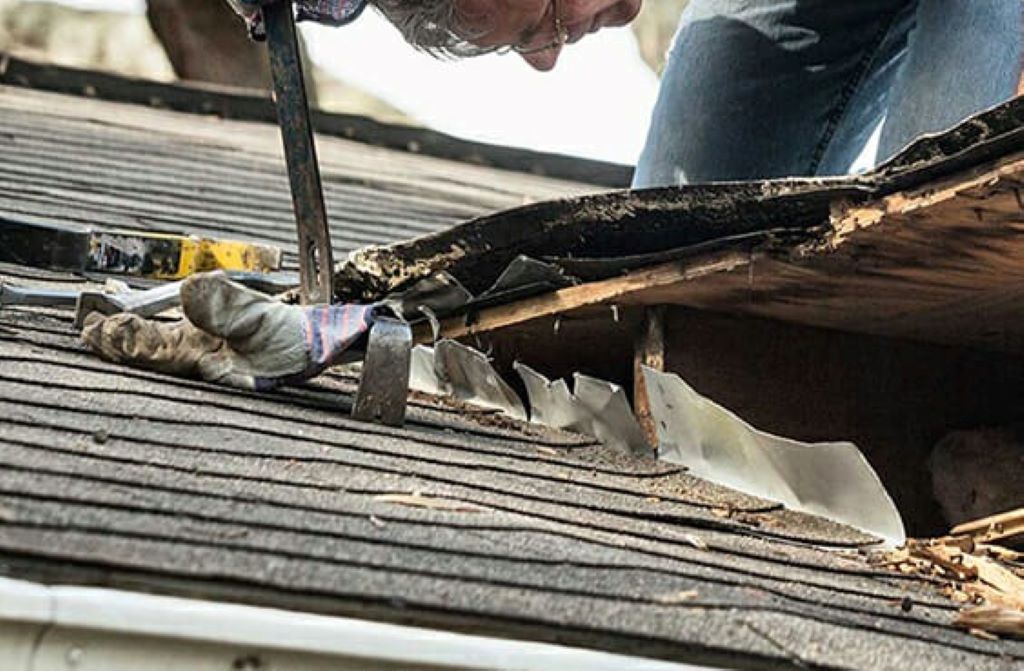
- Get Referrals: Ask friends, family, and neighbors for recommendations.
- Check Online Reviews: Read reviews on websites like Google, Yelp, and Angie’s List.
- Verify Credentials: Confirm the contractor’s license and insurance information.
- Ask About Project Management: Inquire about their process for scheduling, communication, and handling unexpected issues.
- Don’t Choose Solely on Price: While cost is a factor, prioritize quality, experience, and reputation.
Roof Repair Costs in Colorado Springs
The cost of roof repair in Colorado Springs varies depending on the extent of the damage, the type of roofing material, and the complexity of the project.
- Minor repairs: Minor repairs, such as replacing a few shingles or sealing small leaks, can range from $150 to $500.
- Moderate repairs: Repairing hail damage, replacing sections of the roof, or addressing ice dam issues can cost between $500 and $2,000.
- Major repairs: Extensive repairs, such as replacing a large portion of the roof or addressing structural damage, can cost upwards of $2,000.
Roof Replacement Costs in Colorado Springs
If your roof has sustained significant damage or is nearing the end of its lifespan, a complete roof replacement may be necessary. The cost of roof replacement in Colorado Springs typically ranges from $5,000 to $15,000, depending on the size of the roof, the type of roofing material, and the complexity of the installation.
Financing Options for Roof Repair and Replacement
Roof repairs and replacements can be a significant expense. Fortunately, there are several financing options available to homeowners:
- Home Equity Loans: Borrow against the equity in your home to finance your roofing project.
- Personal Loans: Unsecured loans that can be used for various purposes, including home improvement.
- Credit Cards: Some credit cards offer promotional financing for home improvement projects.
- Insurance Claims: If your roof damage is covered by insurance, your insurance company may cover a portion or all of the repair or replacement costs.
- Government Programs: Some government programs offer financial assistance for home repairs and improvements.
Maintaining Your Roof: Preventing Future Problems
Regular maintenance is key to extending the life of your roof and preventing costly repairs. Here are some maintenance tips for Colorado Springs homeowners:
- Regular Inspections: Inspect your roof twice a year, in the spring and fall, to identify any signs of damage.
- Clean Gutters: Clean your gutters regularly to ensure proper water drainage.
- Trim Trees: Overhanging branches can scratch shingles and provide access for pests.
- Remove Debris: Keep your roof free of leaves, branches, and other debris that can trap moisture and cause damage.
- Check for Moss and Algae: Moss and algae can damage shingles and retain moisture. If you notice growth, have it professionally removed.
- Schedule Professional Inspections: Consider having a professional roof inspection every few years to identify potential problems early on.
FAQs about Roof Repair in Colorado Springs
Q: How often should I have my roof inspected?
A: It’s recommended to inspect your roof twice a year, in the spring and fall. You should also inspect your roof after any major weather event, such as a hailstorm or heavy snowfall.
Q: How long does a roof last in Colorado Springs?
A: The lifespan of a roof in Colorado Springs varies depending on the type of roofing material and the local climate conditions. Asphalt shingle roofs typically last 15-20 years, while metal roofs can last 40-70 years.
Q: What are the most common roofing materials used in Colorado Springs?
A: Asphalt shingles are the most popular roofing material in Colorado Springs due to their affordability and versatility. Other common materials include metal roofing, tile roofing, and wood shakes.
Q: Does my homeowners insurance cover roof repair?
A: Most homeowners insurance policies cover roof damage caused by covered perils, such as hail, wind, and fire. However, coverage varies depending on your specific policy. It’s essential to review your policy and contact your insurance agent to understand your coverage.
Q: How do I choose the right roofing material for my home?
A: Consider factors such as your budget, the style of your home, the local climate, and the expected lifespan of the material. Consult with a professional roofing contractor to discuss your options and choose the best material for your needs.
Q: What are the signs of a leaking roof?
A: Signs of a leaking roof include water stains on ceilings or walls, dripping water, damp insulation, and mold or mildew growth.
Q: Can I install a new roof over my old roof?
A: While it’s sometimes possible to install a new roof over an existing one, it’s generally not recommended. Layering roofs can trap moisture and shorten the lifespan of the new roof. It’s best to remove the old roof before installing a new one.
Conclusion
Maintaining your roof is essential for protecting your home and investment in Colorado Springs. By understanding the common problems, knowing when to DIY or hire a professional, and choosing the right contractor, you can ensure the longevity and integrity of your roof. Regular inspections, timely repairs, and proactive maintenance will help you avoid costly problems and keep your home safe and comfortable for years to come.
Read More:
Denver, Colorado: Where Urban Buzz Meets Mountain Majesty