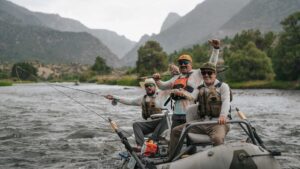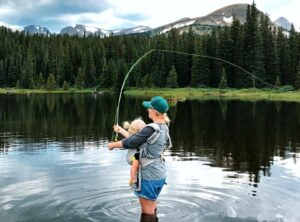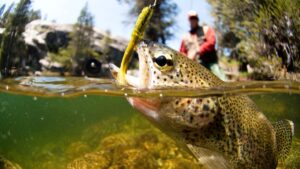
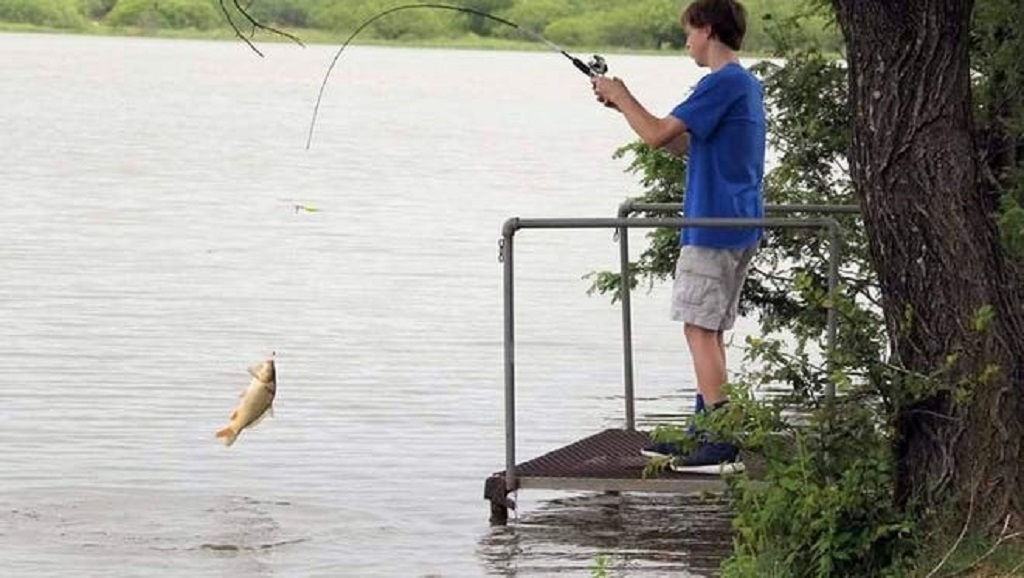
Colorado is more than just a destination for skiers and hikers. It’s a fishing haven brimming with pristine alpine lakes, rushing rivers, and well-stocked reservoirs. Whether you’re casting for trout in high-elevation streams or chasing bass in warm water lakes, Colorado has it all. With over 6,000 miles of streams and more than 2,000 lakes and reservoirs, it offers a wide variety of fishing opportunities for anglers of all levels.
Understanding the best locations and current fishing regulations is key to a successful trip. From local favorites to hidden gems, this guide breaks down where to fish, what to catch, and how to stay legal in the Centennial State.
Why Colorado Is a Fishing Paradise
Colorado’s elevation changes create diverse aquatic environments. High-altitude lakes support cold-water species like trout, while lower elevations house warm-water species like walleye and bass. According to Colorado Parks and Wildlife (CPW), fishing contributes more than $2.4 billion annually to the state’s economy, showing just how vital it is to both locals and tourists.
The natural abundance of fish species, paired with aggressive stocking programs, ensures year-round angling opportunities. CPW stocks over 90 million fish annually. That’s not just a number—it’s a promise of action-packed days on the water.
The state’s water is remarkably clean, fed by snowmelt from the Rocky Mountains. As a result, fish are healthy, and the experience is refreshing and rewarding.
Best Lakes for Fishing in Colorado
- Blue Mesa Reservoir
This is Colorado’s largest body of water and a prime spot for kokanee salmon and lake trout. Located near Gunnison, it offers both boat and shore fishing. In spring and fall, trolling deep waters yields trophy-sized catches. It’s also family-friendly with nearby camping facilities. - Horsetooth Reservoir
Nestled in the foothills near Fort Collins, Horsetooth is a go-to for smallmouth bass, walleye, and trout. Anglers love its accessibility and variety. Early mornings and evenings are particularly productive here. - Eleven Mile Reservoir
Located in South Park, Eleven Mile is famous for its large rainbow, cutbow, and brown trout. Fly fishing near the inlet is a proven strategy. Ice fishing is also popular during winter months. - Spinney Mountain Reservoir
This catch-and-release only lake is revered among fly anglers. Home to trout that average 18 inches, it’s a prime spot for dry flies and nymphs. The lake is open seasonally, so always check access dates. - Grand Lake
Colorado’s largest natural lake sits just outside Rocky Mountain National Park. It offers excellent trout and kokanee salmon fishing, and it’s perfect for families seeking scenic surroundings and relaxed fishing.
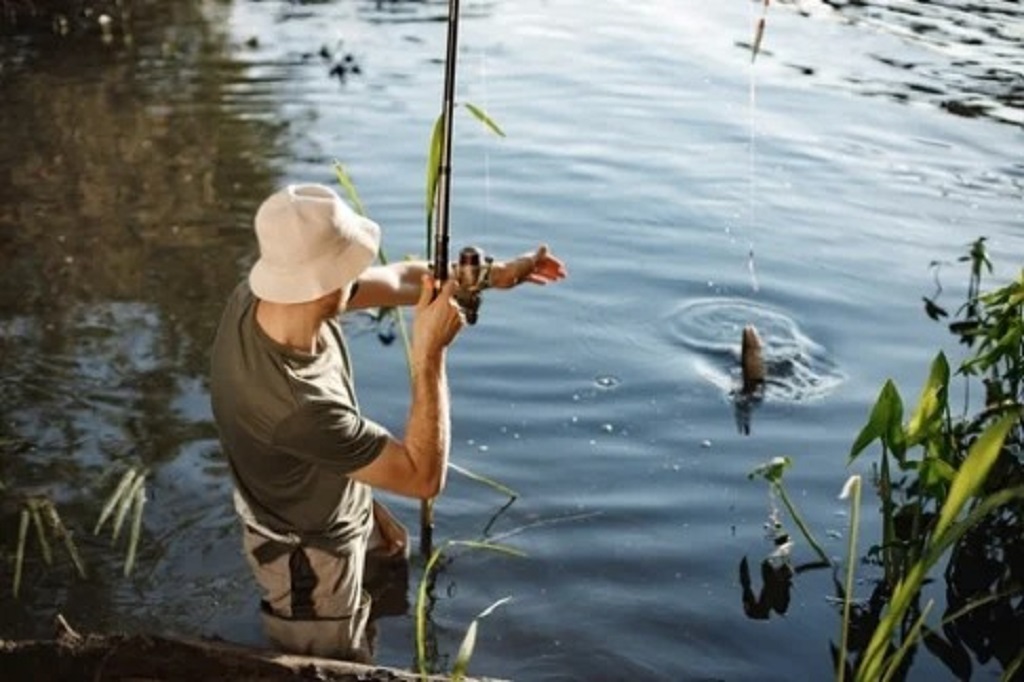
Must-Visit Rivers for Anglers
- South Platte River
This iconic river system stretches across Colorado and offers varied fishing experiences. Cheesman Canyon and the Dream Stream section are gold medal waters. Use stealthy presentations and small flies to entice educated trout. - Fryingpan River
Tailwater below Ruedi Reservoir provides ideal year-round fly fishing. It’s renowned for large rainbow trout and consistent flows. Mysis shrimp patterns dominate here due to the dam’s outflows. - Arkansas River
Stretching over 100 miles, this freestone river offers plentiful brown trout and stunning scenery. Spring runoff can be intense, but post-runoff months are highly productive. - Gunnison River
Known for its deep canyon sections, the Gunnison is a fly-fisher’s dream. Float trips provide access to hard-to-reach sections where large trout roam freely. - Animas River
Flowing through Durango, the Animas boasts wild rainbow and brown trout. Though urban in sections, it retains its wild feel and fishes well throughout summer.
Fishing Regulations You Need to Know
Fishing in Colorado isn’t just about knowing where to go. It’s about knowing how to do it legally. CPW updates its regulations annually, so check their official fishing brochure before heading out.
Key Rules to Remember:
- Fishing License Required: Residents and non-residents over 16 must have a valid fishing license.
- Daily Bag Limits: Most trout species have a four-fish daily limit unless otherwise posted.
- Artificial Flies and Lures Only: Certain areas restrict bait usage to preserve fish populations.
- Catch-and-Release Only Zones: Some Gold Medal Waters require immediate release of all catches.
- Barbless Hooks: In designated areas, barbless hooks are mandatory to reduce injury to fish.
Failing to follow these laws could result in fines or confiscation of gear. Always read signage at lakes and rivers to stay informed.
Expert Tips for Colorado Fishing Success
- Time Your Trip: Early mornings and dusk are peak feeding times. Avoid midday heat in summer.
- Match the Hatch: Observe local insects and use flies that mimic them for better results.
- Use Polarized Sunglasses: Spot fish more easily and protect your eyes from glare.
- Stay Mobile: If a spot isn’t working in 20 minutes, move. Cover water and experiment.
- Hire a Guide: For new anglers or unfamiliar areas, a local guide maximizes your success rate.
Professional guides not only help you find fish, but they also ensure you stay within legal bounds. Services like Colorado Trout Hunters or Gunnison River Guides have proven track records and glowing reviews.
Featured Snippet – What Are Colorado’s Gold Medal Waters and Why Should You Fish Them?
Gold Medal Waters in Colorado are designated stretches of rivers and lakes with the highest quality trout habitat. These areas support at least 60 pounds of trout per acre and a minimum of 12 trout measuring 14 inches or longer per acre. Managed by Colorado Parks and Wildlife, these fisheries are carefully regulated to preserve their world-class status. Popular Gold Medal areas include the Fryingpan River, South Platte River (Dream Stream), and Gore Creek.
Fishing these waters offers an unmatched challenge and reward. They’re ideal for catch-and-release fly fishing and provide stunning natural backdrops. Anglers seeking trophy-sized trout should prioritize these spots, but must respect local rules and handle fish gently to ensure sustainable populations.
Read More Also: Best Places to Fish in Colorado Springs
FAQs About Colorado Fishing Guide | Local Lakes, Rivers & Fishing Regulations
Do I need a fishing license in Colorado?
Yes, anyone aged 16 or older must have a valid license, available online or at CPW agents.
When is the best time to fish in Colorado?
May through October offers peak conditions, although ice fishing and tailwaters are productive year-round.
Are there free fishing days in Colorado?
Yes. Typically, the first full weekend in June offers license-free fishing statewide.
What fish species are most common in Colorado?
Rainbow trout, brown trout, cutthroat trout, kokanee salmon, smallmouth bass, and walleye are widely available.
Can I use live bait in Colorado?
Live bait is allowed in some areas but banned in many high-country lakes and Gold Medal Waters.
How do I find current water conditions?
Visit CPW’s official site or use apps like OnWater and Fishbrain for real-time reports.
Are there special rules for children?
Children under 16 can fish for free but must follow all regulations and limits.
Final Thought
Colorado is a fishing dreamland where alpine beauty meets unmatched aquatic diversity. With thoughtful planning and respect for regulations, anglers can enjoy some of the most rewarding fishing in the U.S. Whether you’re chasing record-breaking trout in Gold Medal Waters or enjoying a quiet day on a mountain lake, Colorado’s waters offer something for everyone.
This guide is your stepping stone. Equip yourself with the right gear, check local rules, and get ready to explore one of America’s most scenic and productive fishing destinations.
Happy casting!
References:
- Colorado Parks and Wildlife Fishing Brochure: https://cpw.state.co.us/Documents/RulesRegs/Brochure/fishing.pdf
- Field & Stream: Best Fishing in Colorado
- Outdoor Life: Top Rivers in Colorado
- Colorado Trout Unlimited: Gold Medal Waters Explained