
Colorado Springs, with its breathtaking mountain vistas, abundant sunshine, and thriving outdoor scene, draws newcomers like moths to a flame. But like any city, it has its quirks, its hidden gems, and its areas that might not be the perfect fit for everyone. In this guide, we’ll explore where not to live in Colorado Springs, offering an honest look at the neighborhoods that might not align with your lifestyle, budget, or priorities. We’ll delve into the pros and cons, sprinkle in some local reviews, and answer your burning questions to help you make an informed decision about where to plant your roots in Olympic City USA.
Disclaimer: This article aims to provide a balanced perspective and is not intended to disparage any specific neighborhoods. Real estate is subjective, and what might be a drawback for one person could be an advantage for another.
Neighborhoods to Consider Carefully:
-
Southeast Colorado Springs:
While Southeast Colorado Springs offers affordability and proximity to Fort Carson military base, it grapples with higher crime rates, aging infrastructure, and limited access to amenities compared to other parts of the city.
- Pros: Affordable housing, close to Fort Carson, some established neighborhoods with mature trees.
- Cons: Higher crime rates, limited shopping and dining options, aging infrastructure, can feel isolated from the city center.
- Local Review: “We moved to the southeast side for the lower housing costs, but honestly, I wouldn’t recommend it. We’ve had issues with break-ins, and it’s a bit of a drive to get to decent grocery stores or restaurants.” – Sarah M.
- Who might thrive here: Military families on a tight budget, those prioritizing affordability above all else, individuals comfortable with a quieter, more suburban lifestyle.
-
Cimarron Hills:
This area east of the city, while experiencing some growth, still presents challenges with limited amenities, traffic congestion during rush hour, and a less vibrant community atmosphere compared to more established neighborhoods.
- Pros: Newer housing developments, proximity to Powers Boulevard (a major artery), some chain restaurants and stores.
- Cons: Limited local businesses, traffic congestion, can feel disconnected from the heart of Colorado Springs, lack of distinct character.
- Local Review: “Cimarron Hills is okay, but it’s mostly just big box stores and chain restaurants. It lacks the charm and sense of community I was hoping for in Colorado Springs.” – John D.
- Who might thrive here: Families seeking newer homes, those who prioritize easy access to major roads, individuals comfortable with a suburban environment.
-
Old Colorado City:
While steeped in history and boasting a charming downtown area, Old Colorado City can be pricey, touristy, and lacks the diversity and modern amenities found in other parts of the city.
- Pros: Historic charm, walkable downtown with unique shops and restaurants, close to Garden of the Gods.
- Cons: High housing costs, heavy tourist traffic, limited grocery stores and everyday conveniences, can feel crowded and congested, especially during peak season.
- Local Review: “Old Colorado City is beautiful, but it’s definitely a tourist trap. The prices are inflated, and it can be hard to find parking. It’s a great place to visit, but I wouldn’t want to live there.” – Maria G.
- Who might thrive here: Those who prioritize historical charm and walkability, individuals who enjoy a bustling tourist atmosphere, those with a flexible budget.
-
Downtown Colorado Springs:
While undergoing revitalization, downtown still faces challenges with homelessness, limited green spaces, and a higher cost of living compared to more outlying areas.
- Pros: Vibrant cultural scene, walkable access to restaurants, bars, and entertainment, close to parks and trails, growing number of residential options.
- Cons: Higher cost of living, limited grocery stores, can feel congested, some areas struggle with homelessness and safety concerns.
- Local Review: “Downtown is definitely getting better, but it still has a way to go. I love the energy and the access to everything, but the lack of green space and the homeless population are concerns.” – David L.
- Who might thrive here: Young professionals, those who prioritize walkability and access to urban amenities, individuals who enjoy a vibrant nightlife and cultural scene.
-
Security-Widefield:
This area south of the city offers affordable housing but faces challenges with higher crime rates, limited job opportunities, and a lack of distinct community identity.
- Pros: Affordable housing, close to Fort Carson, easy access to I-25.
- Cons: Higher crime rates, limited amenities and shopping options, can feel isolated from the rest of the city, lack of strong community identity.
- Local Review: “We lived in Security-Widefield for a few years, and it wasn’t our favorite. It felt a bit run down, and we didn’t feel particularly safe. We’ve since moved closer to the city center and are much happier.” – Jessica K.
- Who might thrive here: Military families seeking affordable housing, those prioritizing proximity to Fort Carson, individuals comfortable with a quieter, more rural lifestyle.
Important Considerations When Choosing Your Neighborhood:
Beyond specific neighborhoods, consider these factors when deciding where to live in Colorado Springs:
- Proximity to your workplace or school: Factor in commute times and traffic patterns.
- Access to amenities: Consider your needs for grocery stores, restaurants, parks, and healthcare facilities.
- School districts: Research schools if you have children or plan to in the future.
- Lifestyle preferences: Do you prefer a quiet suburban environment or a bustling urban setting?
- Budget: Housing costs vary significantly across the city.
Where to Thrive in Colorado Springs:
While the above areas might not be ideal for everyone, Colorado Springs boasts many fantastic neighborhoods that offer a high quality of life. Here are a few popular choices:
- Rockrimmon: Known for its excellent schools, family-friendly atmosphere, and access to hiking trails.
- Broadmoor: An upscale neighborhood with stunning views, luxurious homes, and a prestigious reputation.
- Briargate: A master-planned community with a variety of housing options, excellent schools, and abundant amenities.
- Manitou Springs: A charming mountain town with a vibrant arts scene, unique shops, and close proximity to nature.
- Palmer Lake: A small town with a strong sense of community, beautiful scenery, and a relaxed pace of life.
FAQs about Living in Colorado Springs:
Q: What is the cost of living in Colorado Springs?
A: The cost of living in Colorado Springs is slightly higher than the national average, but it varies depending on the neighborhood. Housing costs are a significant factor, with prices ranging from affordable to luxurious.
Q: Is Colorado Springs a safe city?
A: Like any city, Colorado Springs has its safe and less safe areas. Crime rates tend to be higher in the southeast and south-central parts of the city. Researching specific neighborhoods and taking necessary precautions is essential.
Q: What is the job market like in Colorado Springs?
A: The job market in Colorado Springs is relatively strong, with major industries including aerospace, defense, healthcare, and tourism. The presence of military bases also contributes to the local economy.
Q: What are the schools like in Colorado Springs?
A: Colorado Springs offers a variety of public, private, and charter schools. Some districts, like Academy School District 20 and Cheyenne Mountain School District 12, are highly regarded.
Q: What is the weather like in Colorado Springs?
A: Colorado Springs enjoys a semi-arid climate with over 300 days of sunshine per year. Summers are warm and dry, while winters are mild with occasional snowfall.
Q: What are the best things to do in Colorado Springs?
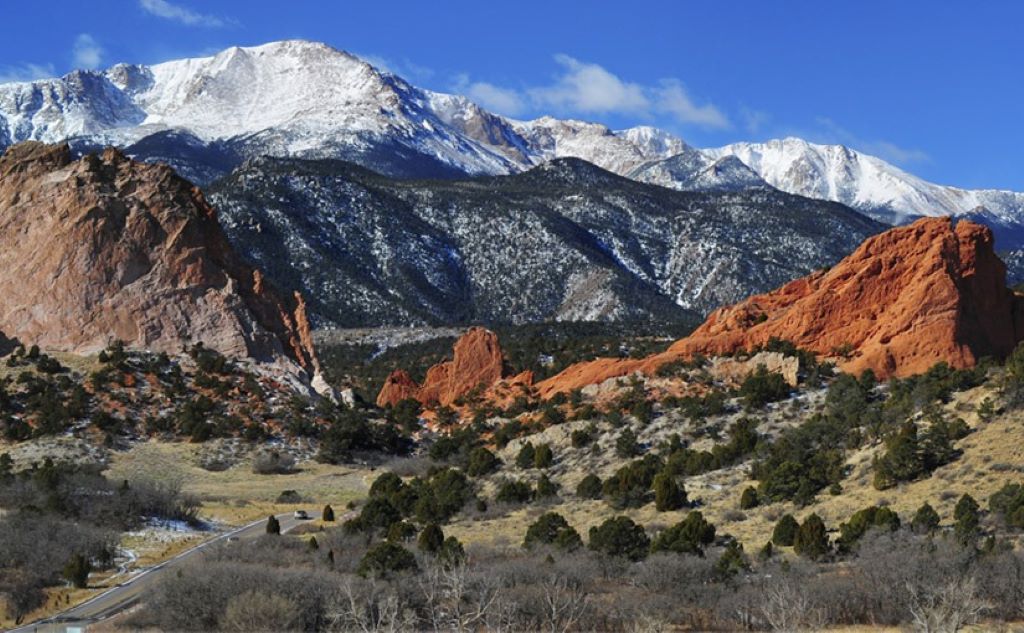
A: Colorado Springs offers a wealth of recreational activities, including hiking, biking, rock climbing, fishing, and skiing. The city also boasts numerous cultural attractions, such as the Garden of the Gods, Pikes Peak, the US Olympic & Paralympic Museum, and the Cheyenne Mountain Zoo.
Finding Your Perfect Fit in Colorado Springs:
Choosing the right neighborhood is crucial for a happy and fulfilling life in Colorado Springs. By carefully considering your priorities, researching different areas, and weighing the pros and cons, you can find the perfect place to call home in this beautiful city. Remember, this guide provides a starting point; the best way to discover your ideal neighborhood is to explore the city, talk to locals, and experience the unique charm of each area firsthand.
Pro Tip: Connect with local real estate agents and community groups for insider perspectives and valuable insights. They can provide up-to-date information on market trends, neighborhood dynamics, and hidden gems that might not be readily apparent.
Ultimately, the best place to live in Colorado Springs is the one that aligns with your individual needs, lifestyle, and aspirations. Happy house hunting!
Read More:
Finding the Best Home Internet in Colorado Springs: Your Ultimate Guide