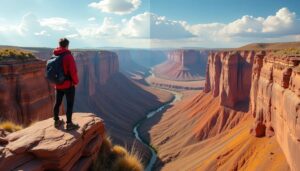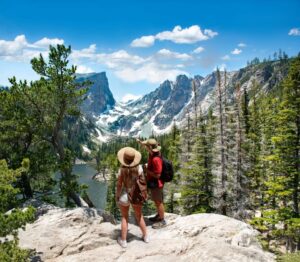
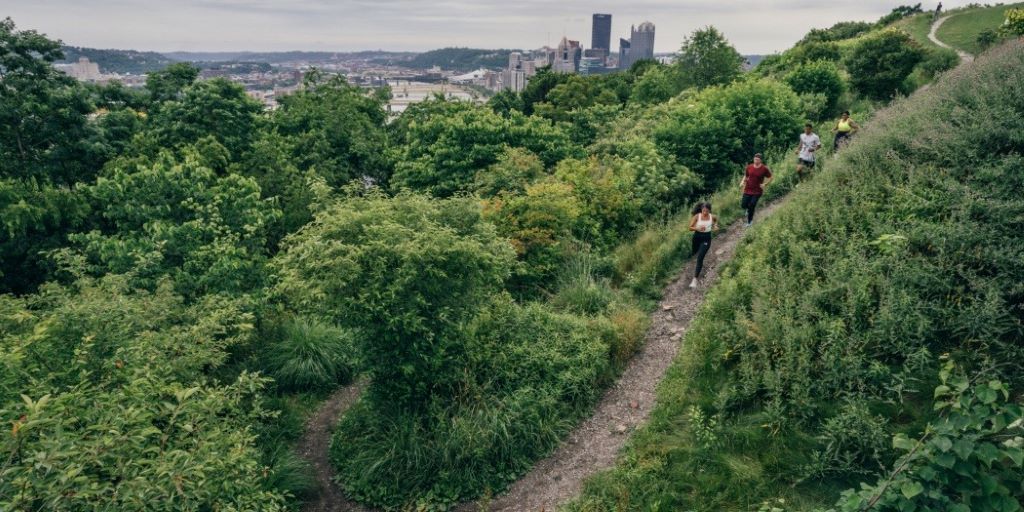
Colorado, a land of towering peaks and sun-drenched landscapes, often conjures images of arid deserts and snow-capped mountains. Yet, nestled within its diverse terrain are pockets of vibrant greenery, where lush forests, verdant meadows, and thriving ecosystems flourish. Among these natural gems, “Colorado’s emerald heart” stands out as a testament to the state’s rich biodiversity. The question then arises: where, amidst this tapestry of natural wonders, lies the greenest place in Colorado?
Determining the “greenest” location isn’t a simple matter of visual assessment. It requires a nuanced understanding of various factors, including vegetation density, biodiversity, water availability, and overall ecosystem health. In Colorado, where elevation and climate vary dramatically, the answer is complex and multifaceted. However, by examining these key indicators, we can identify regions that stand out as exemplars of verdant abundance.
The San Juan Mountains: A Verdant Wilderness
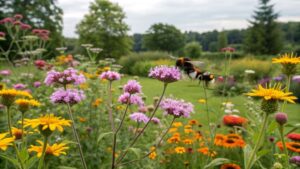
One region that consistently emerges as a strong contender for the title of Colorado’s greenest place is the San Juan Mountains, located in the southwestern corner of the state. This expansive mountain range, encompassing millions of acres of national forest and wilderness areas, boasts a remarkable diversity of ecosystems, from dense coniferous forests to alpine meadows bursting with wildflowers.
The San Juans’ abundant rainfall and snowpack, fueled by the monsoon season and high-altitude precipitation, create ideal conditions for plant growth. The dense forests, dominated by spruce, fir, and aspen trees, provide a lush canopy that shelters a rich understory of ferns, mosses, and wildflowers. During the summer months, the alpine meadows transform into vibrant carpets of color, showcasing the region’s exceptional biodiversity.
Furthermore, the San Juan Mountains are home to numerous rivers and streams, fed by melting snowpack and summer thunderstorms. These waterways sustain riparian ecosystems, providing habitat for a variety of aquatic and terrestrial species. The combination of abundant water, fertile soil, and a temperate climate contributes to the region’s overall verdant character.
The Uncompahgre Plateau: A Hidden Oasis
Adjacent to the San Juan Mountains lies the Uncompahgre Plateau, another region renowned for its lush landscapes. This vast, elevated plateau, characterized by deep canyons, rolling hills, and expansive forests, offers a unique blend of ecosystems.
The Uncompahgre Plateau benefits from its location in the rain shadow of the San Juan Mountains, which helps to moderate temperatures and maintain consistent moisture levels. This allows for the growth of diverse plant communities, including ponderosa pine forests, oak brush woodlands, and riparian corridors along the plateau’s numerous streams.
The plateau’s diverse topography creates a mosaic of microclimates, supporting a wide range of plant and animal species. The deep canyons, shaded by towering cliffs, provide refuge for moisture-loving plants, while the open meadows and grasslands offer habitat for grazing animals and wildflowers.
The Flattops Wilderness: A High-Altitude Haven
In the northwestern corner of Colorado, the Flattops Wilderness Area stands as a testament to the state’s diverse ecological richness. This vast, high-altitude plateau, characterized by rolling tundra, alpine lakes, and dense forests, offers a unique glimpse into the state’s subalpine and alpine ecosystems.
The Flattops Wilderness benefits from its high elevation, which translates to cooler temperatures and higher precipitation levels. This allows for the growth of resilient plant communities, including dwarf shrubs, grasses, and wildflowers adapted to the harsh alpine environment. The dense forests, dominated by Engelmann spruce and subalpine fir, provide shelter for a variety of wildlife species, including elk, deer, and black bears.
The numerous alpine lakes and streams within the Flattops Wilderness contribute to the region’s overall verdant character, providing habitat for aquatic species and sustaining riparian ecosystems. The combination of high elevation, abundant water, and diverse topography makes the Flattops Wilderness a truly remarkable example of Colorado’s natural beauty.
The Importance of Riparian Zones and Waterways
Regardless of the specific region, riparian zones and waterways play a crucial role in maintaining Colorado’s greenest landscapes. These areas, characterized by lush vegetation and abundant water, provide habitat for a wide range of plant and animal species.
Rivers such as the Gunnison, the Dolores, and the Yampa, along with their tributaries, support thriving riparian ecosystems, characterized by cottonwood trees, willows, and a variety of grasses and wildflowers. These riparian corridors act as natural filters, improving water quality and providing habitat for fish, birds, and other wildlife.
Furthermore, wetlands and marshes, often found in low-lying areas and along riverbanks, play a vital role in maintaining ecological balance. These areas, characterized by saturated soils and emergent vegetation, provide habitat for amphibians, reptiles, and waterfowl.
Beyond Visual Greenery: Ecosystem Health and Sustainability
While visual greenery is an important indicator of ecological health, it is essential to consider other factors, such as biodiversity, soil health, and water quality. Sustainable land management practices, including responsible grazing, forest management, and water conservation, are crucial for maintaining the long-term health and vitality of Colorado’s ecosystems.
Efforts to protect and restore riparian zones, wetlands, and other critical habitats are essential for ensuring the continued abundance of Colorado’s greenest landscapes. Promoting sustainable tourism and recreation, while minimizing human impact on natural areas, is also crucial for preserving the state’s ecological treasures.
Conclusion: A Mosaic of Green
In conclusion, while the San Juan Mountains, the Uncompahgre Plateau, and the Flattops Wilderness Area stand out as particularly verdant regions, the “greenest place” in Colorado is ultimately a mosaic of diverse ecosystems, each contributing to the state’s overall ecological richness. From the dense forests of the San Juans to the alpine meadows of the Flattops, Colorado offers a wealth of natural beauty and ecological diversity.
By understanding the factors that contribute to the verdant character of these regions, and by promoting sustainable land management practices, we can ensure that Colorado’s greenest landscapes continue to thrive for generations to come.
People Also Ask (FAQs)
Q: What makes a place “green” in ecological terms?
A: “Green” in an ecological context goes beyond just visual greenery. It encompasses factors like:
- Vegetation Density and Diversity: A high concentration of diverse plant life.
- Biodiversity: A wide range of plant and animal species.
- Water Availability: Sufficient rainfall, snowpack, and healthy waterways.
- Soil Health: Fertile soil that supports plant growth.
- Ecosystem Health: Overall balance and resilience of the natural environment.
Q: Are there any specific types of forests that contribute to Colorado’s “greenness”?
A: Yes, several forest types are crucial:
- Spruce-Fir Forests: Found at higher elevations, these forests are dense and retain moisture.
- Aspen Forests: Known for their vibrant foliage and ability to regenerate quickly, they contribute to biodiversity.
- Ponderosa Pine Forests: These forests, often found at lower elevations, are adapted to drier conditions but still support diverse ecosystems.
- Riparian Forests: Forests along rivers and streams that provide essential habitat and filter water.
Q: How does elevation affect the “greenness” of a place in Colorado?
A: Elevation significantly impacts temperature and precipitation, which in turn affect plant growth. Higher elevations generally receive more precipitation and have cooler temperatures, supporting different types of vegetation than lower elevations.
Q: What role do rivers and streams play in Colorado’s green landscapes?
A: Rivers and streams are vital for:
- Providing water for plant growth.
- Creating riparian ecosystems that support diverse species.
- Maintaining soil moisture and fertility.
- Supporting aquatic life.
Q: How can individuals help preserve Colorado’s greenest places?
A: You can help by:
- Practicing Leave No Trace principles when recreating outdoors.
- Supporting sustainable tourism and businesses.
- Conserving water and reducing waste.
- Volunteering for conservation organizations.
- Advocating for policies that protect natural areas.
Q: What are the best times of year to witness the greenest landscapes in Colorado?
A: The best times are typically:
- Late Spring/Early Summer: When wildflowers bloom and forests are lush.
- Summer: When vegetation is at its peak and alpine meadows are vibrant.
- Early Fall: When aspen trees turn golden, adding to the visual spectacle of the green landscapes.
Read More:
Deciphering Colorado Springs Property Taxes: A Comprehensive Guide
Chasing the Colorado Dream: The Cost of a 3-Bedroom Home in Colorado