Noisy pipes are a common issue in many New York homes, especially in older buildings where plumbing systems have aged significantly over time. Studies show that nearly 35% of homeowners in urban areas report recurring pipe noise problems, particularly during seasonal temperature shifts. Understanding why water pipes make noise air is essential for identifying the root cause and applying the right fix. Many residents explore this issue through resources like why water pipes make noise air to better grasp underlying causes. Moreover, ignoring these sounds can lead to costly damage if left unresolved. Therefore, learning efficient solutions helps homeowners maintain comfort and protect their property value.
Understanding Why Pipes Make Noise
Noisy pipes can produce a variety of sounds, including banging, rattling, whistling, and humming. Each sound often points to a specific issue within the plumbing system. For instance, banging noises, commonly known as water hammer, occur when water flow suddenly stops or changes direction. Meanwhile, whistling sounds often indicate restricted water flow due to mineral buildup or faulty valves. Understanding these distinctions allows homeowners to diagnose problems more accurately. As a result, they can take targeted action rather than relying on guesswork.
Common Types of Pipe Noises
Different sounds require different solutions, so identifying the type is critical. Homeowners frequently encounter the following noises in New York properties:
- Banging: Caused by sudden valve closure
- Rattling: Loose pipes moving within walls
- Whistling: High pressure or valve issues
- Gurgling: Air trapped in pipes
- Humming: Vibrations from water pressure
Each type signals a unique issue, and addressing the correct cause ensures long-term results. Therefore, careful observation plays a key role in efficient problem-solving.
The Impact of New York’s Climate on Plumbing
New York’s climate significantly influences plumbing systems, especially during winter months. Freezing temperatures cause water inside pipes to expand, increasing pressure and leading to unusual noises. Additionally, older buildings in the city often lack modern insulation, which worsens the issue. During summer, humidity can contribute to pipe corrosion and mineral buildup. These seasonal factors create a cycle of stress on plumbing systems throughout the year. Consequently, homeowners must adapt their maintenance strategies based on changing weather conditions.
Seasonal Challenges Homeowners Face
Each season introduces different plumbing concerns that affect noise levels. In winter, frozen pipes and contraction of materials create loud banging sounds. Spring often brings increased water usage, which can highlight existing pressure issues. Summer heat accelerates wear and tear on pipe materials, leading to rattling or humming. Fall, on the other hand, is a crucial time for inspection and preventive maintenance. By understanding these patterns, homeowners can prepare in advance and minimize disruptions.
Identifying the Root Causes of Noisy Pipes
Pinpointing the exact cause of pipe noise is the first step toward an effective solution. In many cases, air trapped inside the pipes disrupts smooth water flow, causing gurgling sounds. High water pressure can also create vibrations that lead to humming or whistling noises. Loose pipe fittings or insufficient anchoring often result in rattling within walls or ceilings. Additionally, sediment buildup inside pipes can restrict water movement and produce unusual sounds. Therefore, a thorough inspection helps determine the most appropriate fix.
Signs That Indicate Serious Problems
Some pipe noises signal deeper issues that require immediate attention. Persistent banging may indicate a failing pressure regulator or damaged valves. Continuous gurgling could suggest trapped air pockets or drainage problems. If noises increase over time, it often points to worsening structural issues within the plumbing system. Water discoloration or reduced pressure may accompany these sounds, indicating internal pipe damage. Addressing these warning signs early prevents costly repairs later.
Effective Solutions for Noisy Pipes
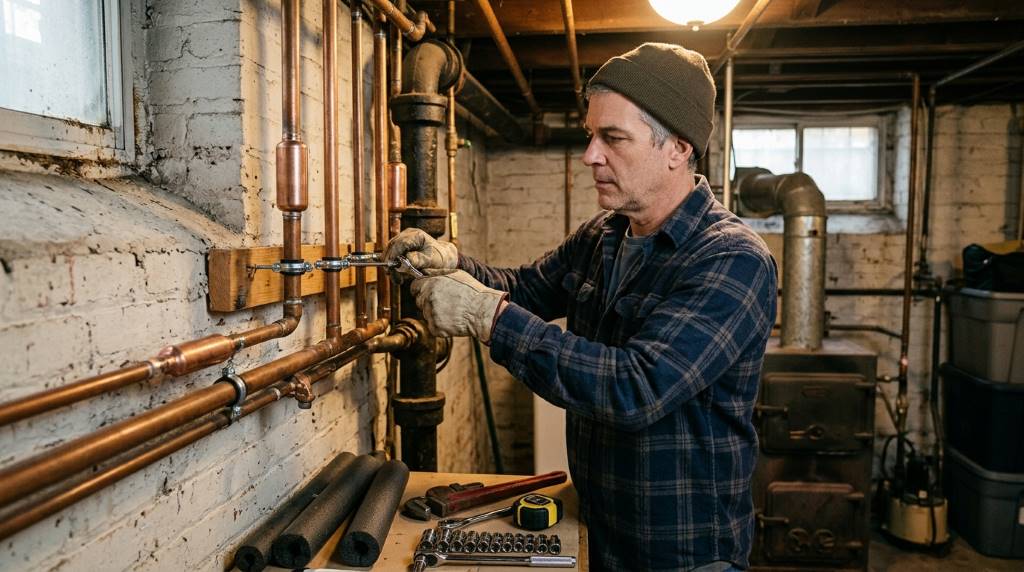
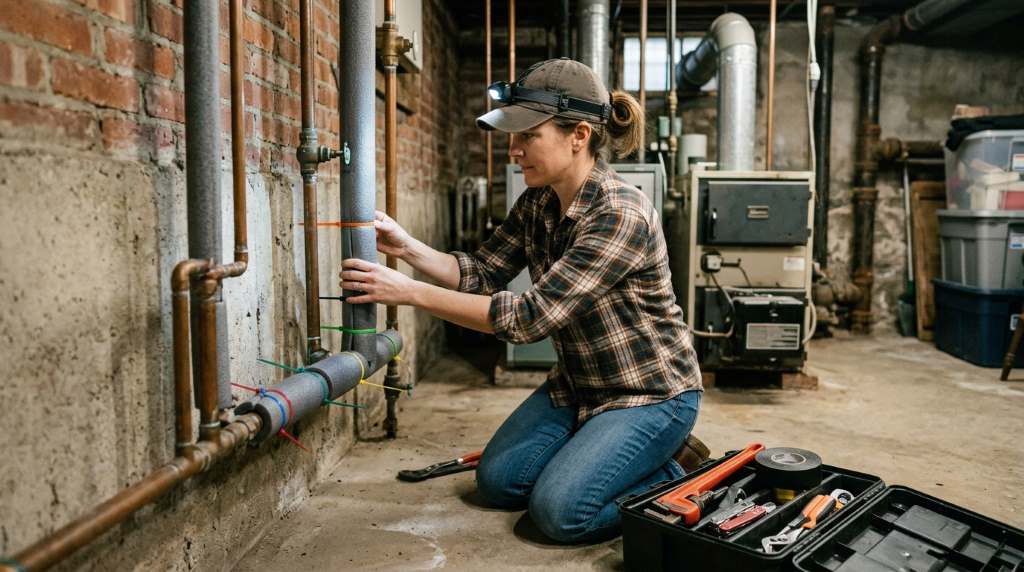
New York homeowners use a range of practical methods to eliminate pipe noise efficiently. One common solution involves installing water hammer arrestors to absorb shock from sudden water flow changes. Securing loose pipes with brackets or insulation reduces rattling and vibration. Adjusting water pressure through a regulator helps prevent excessive strain on the system. Flushing the plumbing system removes trapped air and sediment buildup. These solutions not only reduce noise but also improve overall system performance.
DIY Fixes Homeowners Can Try
Many pipe noise issues can be resolved without professional help. Homeowners often take the following steps:
- Check and tighten loose pipe fittings
- Install foam insulation around exposed pipes
- Adjust the main water valve to control pressure
- Drain the system to remove trapped air
- Replace worn-out washers in faucets
These simple actions can significantly reduce noise levels. However, more complex issues may require professional assistance.
When to Call a Professional Plumber
While DIY solutions work for minor problems, some situations demand expert intervention. Persistent or loud noises often indicate underlying structural issues within the plumbing system. Professional plumbers use advanced tools to diagnose problems accurately and efficiently. They can identify hidden leaks, pressure imbalances, or damaged components that homeowners might overlook. Additionally, licensed professionals ensure repairs comply with local building codes. Therefore, calling an expert saves time and prevents further complications.
Benefits of Professional Repairs
Hiring a professional plumber offers several advantages. First, they provide accurate diagnosis and long-lasting solutions. Second, they use specialized equipment to detect hidden issues. Third, professional repairs reduce the risk of future damage. Finally, expert maintenance improves the overall lifespan of the plumbing system. As a result, homeowners gain peace of mind and avoid repeated problems.
Preventive Maintenance Strategies
Preventive maintenance plays a crucial role in avoiding noisy pipe issues. Regular inspections help detect early signs of wear and tear. Cleaning pipes periodically prevents sediment buildup that can restrict water flow. Installing pressure regulators ensures consistent water pressure throughout the system. Insulating pipes protects them from temperature fluctuations, especially during winter. These proactive steps reduce the likelihood of noise and extend the life of the plumbing system.
Routine Maintenance Checklist
Homeowners can follow a simple checklist to maintain their plumbing systems:
- Inspect pipes for leaks or corrosion
- Test water pressure regularly
- Clean faucets and showerheads
- Check for loose pipe connections
- Schedule annual professional inspections
Following this routine helps maintain a quiet and efficient plumbing system. Consistency is key to long-term success.
Modern Solutions and Technology
Advancements in plumbing technology have made it easier to address noisy pipe problems. Smart water pressure regulators automatically adjust pressure levels based on usage patterns. Noise-reducing pipe materials, such as PEX, minimize vibrations and sound transmission. Leak detection systems alert homeowners to potential issues before they escalate. Additionally, modern insulation materials provide better protection against temperature changes. These innovations offer efficient and long-lasting solutions for urban homes.
Why Upgrading Plumbing Systems Helps
Upgrading outdated plumbing systems can significantly reduce noise issues. Older pipes made from metal are more prone to corrosion and vibration. Modern materials are more flexible and resistant to environmental stress. Replacing aging components improves water flow and reduces pressure fluctuations. Furthermore, updated systems comply with current safety and efficiency standards. Therefore, investing in upgrades provides both immediate and long-term benefits.
Cost Considerations for Repairs
The cost of fixing noisy pipes varies depending on the severity of the issue. Minor repairs, such as tightening fittings or adjusting pressure, are relatively inexpensive. However, replacing damaged pipes or installing new components can be more costly. Labor costs in New York may also be higher due to demand and regulations. Despite the expense, addressing issues early prevents more significant financial burdens later. Homeowners should view these repairs as an investment in property maintenance.
Budget-Friendly Tips
Homeowners can manage repair costs effectively by following these tips:
- Address small issues before they escalate
- Compare quotes from multiple professionals
- Use durable materials to avoid frequent repairs
- Perform regular maintenance to prevent damage
- Invest in quality fixtures and components
These strategies help reduce long-term expenses while maintaining system efficiency.
Common Mistakes to Avoid
Many homeowners unintentionally worsen pipe noise problems by making avoidable mistakes. Ignoring early warning signs often leads to more severe damage. Over-tightening fittings can cause cracks or leaks. Using incorrect materials for repairs may result in recurring issues. Additionally, neglecting regular maintenance increases the likelihood of system failure. Avoiding these mistakes ensures more effective and lasting solutions.
Smart Practices for Better Results
Adopting smart practices improves the efficiency of repairs and maintenance. Homeowners should always use compatible materials for plumbing fixes. Following manufacturer guidelines ensures proper installation of components. Consulting professionals when unsure prevents costly errors. Keeping detailed records of repairs helps track recurring issues. These practices contribute to a more reliable and quiet plumbing system.
Conclusion
Noisy pipes can disrupt daily life, but New York homeowners have effective ways to handle these problems efficiently. By understanding the causes, applying targeted solutions, and maintaining their systems regularly, they can minimize noise and prevent damage. Seasonal awareness and modern technology further enhance the effectiveness of these efforts. Taking proactive steps ensures a comfortable and stress-free living environment. If pipe noise persists or worsens, seeking professional help is the best course of action. Start addressing your plumbing issues today to protect your home and enjoy lasting peace of mind.
FAQs
What causes banging noises in pipes?
Banging usually occurs due to water hammer, which happens when water flow suddenly stops or changes direction.
How can I reduce pipe noise at home?
You can reduce noise by securing loose pipes, adjusting water pressure, and removing trapped air from the system.
Are noisy pipes dangerous?
They can be if ignored, as they may indicate pressure issues or structural damage within the plumbing system.
When should I call a plumber?
Call a professional if noises persist, worsen, or are accompanied by leaks or reduced water pressure.
Can old pipes cause more noise?
Yes, older pipes are more prone to corrosion, vibration, and pressure issues, which increase noise levels.