
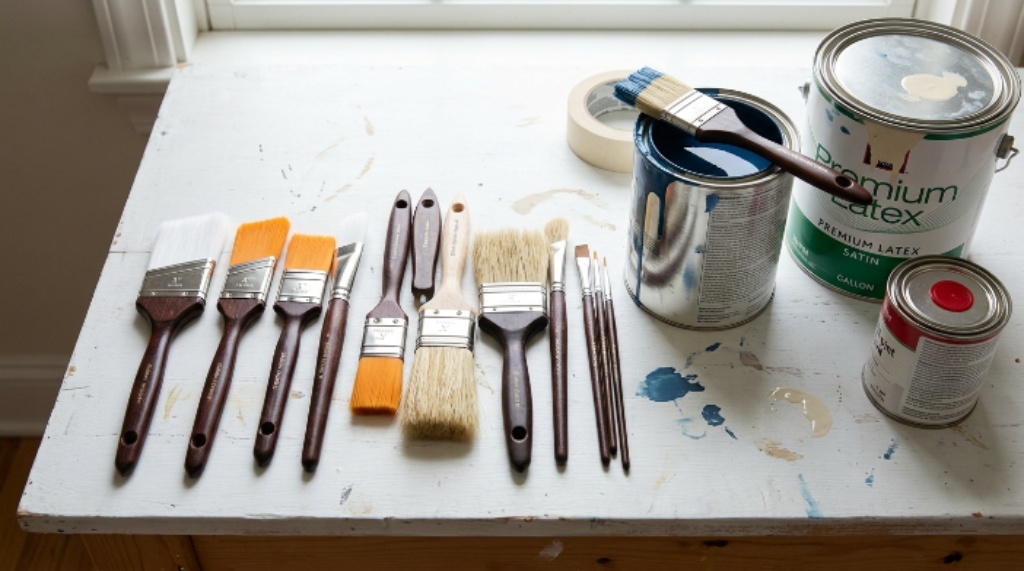
Picking the right paint brush can feel overwhelming. There are hundreds of options on the market, and each one claims to deliver perfect results. However, not all brushes are created equal. The brush you choose will directly affect the quality of your finish, your painting speed, and even how much paint you waste.
In 2026, the painting industry has moved forward in exciting ways. New materials and smarter designs have made it easier than ever to achieve smooth, professional results. Whether you are a homeowner refreshing a room or a professional contractor on a deadline, this guide will help you make the right choice. Therefore, read on to discover what truly matters when selecting a paint brush today.
Why the Right Paint Brush Makes All the Difference
Many people underestimate the importance of a quality brush. They assume any brush will do the job. However, a poor-quality brush leaves bristle marks, drips, and uneven coverage. These problems waste your time and cost you more paint in the long run.
A good brush holds more paint, releases it evenly, and gives you precise control. Additionally, it causes less arm fatigue during long painting sessions. The difference between a cheap brush and a quality one becomes obvious after just a few strokes.
Therefore, choosing wisely from the start will save you effort, time, and money. It will also give you a finish you are genuinely proud of.
Understanding Brush Bristle Types
Bristle type is one of the most important factors to consider. Brushes generally fall into two categories: natural bristle and synthetic bristle. Each has its strengths and ideal use cases.
Natural Bristle Brushes
Natural bristle brushes are made from animal hair, most commonly hog or ox hair. They work exceptionally well with oil-based paints, varnishes, and enamels. The natural bristles hold a large amount of paint and release it in a smooth, controlled way.
However, natural bristles should never be used with water-based paints. Water causes the bristles to swell and lose their shape. This results in a floppy brush that gives poor control and an uneven finish.
Synthetic Bristle Brushes
Synthetic brushes are made from nylon, polyester, or a blend of both. They work well with water-based paints such as latex and acrylic. Unlike natural bristles, they do not absorb water. Therefore, they keep their shape and stiffness throughout the job.
Modern synthetic bristles have improved dramatically. Today’s latest paint brushes made with advanced nylon-polyester blends rival natural bristles in smoothness and performance. Many painters now prefer them for all-around use.
Choosing the Right Brush Shape for Your Project
Brush shape affects how well you can apply paint to different surfaces. Knowing which shape to use for each task will make your work cleaner and faster.
Flat Brushes
Flat brushes have straight, even bristles cut in a rectangular shape. They are ideal for applying paint to large, flat surfaces such as walls, doors, and furniture. Additionally, they work well for bold strokes and filling in wide areas quickly.
Angled Brushes
Angled brushes have bristles cut on a diagonal. This shape gives you greater precision along edges, corners, and trim work. Most professional painters prefer an angled brush for cutting in along ceilings and baseboards. It gives you a cleaner line with less tape required.
Round Brushes
Round brushes taper to a fine point. They are less common in home painting but are very useful for detail work, touch-ups, and narrow trim. Artists also use them frequently for decorative finishes.
Brush Size: Matching the Tool to the Task
Brush size is measured in inches, referring to the width of the bristle head. Choosing the right size speeds up your work and improves accuracy.
For large wall surfaces, a three- to four-inch brush covers ground efficiently. For trim, window frames, and doors, a two- to two-and-a-half-inch brush gives you better control. For fine detail work and touch-ups, a one-inch or smaller brush is the right choice.
Using a brush that is too small for a large surface wastes time. Conversely, using one that is too large for tight spaces causes messy edges. Therefore, having a small selection of sizes will prepare you for any job.

What to Look for in Pro Painting Tools in 2026
The tools available to painters today are better than ever. When evaluating pro painting tools, there are several key qualities to consider beyond bristle type and shape.
- Ferrule quality: The ferrule is the metal band connecting the bristles to the handle. A stainless steel ferrule resists rust and keeps bristles firmly attached over many uses. Cheap ferrules corrode and allow bristles to fall out mid-stroke.
- Handle comfort: A well-balanced handle reduces hand strain. Wooden handles are traditional and durable. Some newer brushes feature ergonomic rubber grips that improve control during long sessions.
- Bristle density: Denser bristles hold more paint and deliver smoother coverage. Tug lightly on the bristles before buying. A quality brush will lose very few hairs.
- Flagged tips: High-quality brushes have split or ‘flagged’ bristle tips. These fine ends hold more paint and release it smoothly, reducing brush marks significantly.
Additionally, some of the latest paint brushes now feature antimicrobial bristle treatments. These prevent mold and bacterial growth during storage, which extends the life of the brush considerably.
Top Tips for Achieving a Smooth Finish
Even the best brush will not save you if your technique is off. Here are practical tips that will help you achieve a flawless finish every time.
First, always load your brush correctly. Dip only the bottom third of the bristles into the paint. Overloading leads to drips and heavy buildup. Tap the brush gently against the inside of the can instead of wiping it on the rim. This keeps more paint in the bristles.
Second, use long, smooth strokes in one direction. Avoid going back and forth repeatedly over wet paint. This causes drag marks and lifts the paint. Work in sections and maintain a wet edge to prevent lap marks.
Third, sand lightly between coats. Even the smoothest first coat will have minor imperfections. A light sanding with fine-grit sandpaper before applying the next coat creates a glass-like surface.
Finally, keep your brush clean during the job. Rinse it out periodically to prevent paint from drying in the bristles near the ferrule. Dried paint in that area causes bristles to splay and ruin your edge control.
How to Care for Your Paint Brushes
Good brushes are an investment. Taking care of them properly means you can use them for years. Here is how to keep them in top condition.
- Clean immediately after use. Never let paint dry in the bristles. Use warm soapy water for water-based paints and the appropriate solvent for oil-based products.
- Reshape the bristles after washing. Use your fingers to reform the bristle head to its original shape before drying.
- Store brushes flat or hang them by the handle. Never store them resting on their bristles. This bends and deforms them permanently.
- Use a brush keeper or the original packaging sleeve to maintain the shape during long-term storage.
Additionally, wrapping a cleaned brush in cardboard or the original sleeve before storing it keeps the bristles aligned and ready for the next use.
Budget vs. Premium: What Should You Spend?
It is tempting to grab the cheapest brush on the shelf. However, inexpensive brushes often cost you more in the long run. They shed bristles into your finish, hold less paint, and wear out quickly.
On the other hand, you do not always need to buy the most expensive option. Mid-range brushes from reputable brands typically offer the best value. They perform well, last long, and do not break the bank.
For professional painters who rely on pro painting tools daily, investing in premium brushes makes clear financial sense. A high-quality brush used and maintained correctly will outperform dozens of cheap ones over its lifetime. Therefore, think of a good brush as a tool, not a disposable item.
Conclusion
Choosing the right paint brush in 2026 comes down to understanding a few key factors. Bristle type, brush shape, size, and build quality all play important roles in the final result. Synthetic brushes suit water-based paints well, while natural bristles remain ideal for oil-based products.
Additionally, technique matters just as much as the tool itself. Load your brush correctly, use smooth strokes, and clean your brush thoroughly after every use. These habits will extend the life of your brushes and consistently deliver smooth, professional finishes.
Whether you are updating a single room or managing large-scale projects, the right brush will make the entire process easier and more enjoyable. Invest wisely, take care of your tools, and the results will speak for themselves.
Frequently Asked Questions
1. What type of paint brush is best for latex paint?
A synthetic bristle brush made from nylon, polyester, or a blend of both is the best choice for latex paint. These bristles do not absorb water, so they maintain their shape and stiffness throughout the job. Look for flagged tips for the smoothest possible finish.
2. How do I prevent brush marks when painting walls?
To prevent brush marks, use a high-quality brush with flagged bristle tips. Load the brush with the right amount of paint, neither too much nor too little. Apply paint in long, smooth strokes and always maintain a wet edge. Additionally, feathering your strokes lightly at the end of each pass helps blend the paint seamlessly.
3. How often should I replace my paint brushes?
With proper care, a quality brush can last for years. Replace your brush when bristles begin to splay permanently, shed excessively, or lose their shape even after cleaning and reshaping. A brush that no longer holds a clean edge will hurt the quality of your work.
4. Can I use the same brush for different types of paint?
It is best to keep separate brushes for water-based and oil-based paints. Residue from oil-based products can linger in bristles even after cleaning, which may contaminate your next water-based project. Labeling your brushes by paint type helps you stay organized and protects your finishes.
5. What size brush should a beginner start with?
A beginner should start with a two-and-a-half-inch angled synthetic brush. This size is versatile enough to handle both cutting in along edges and painting medium-sized surfaces. It gives good control without being too small to cover ground efficiently. Once comfortable, adding a three- to four-inch flat brush for large areas is a natural next step.
Related Topics:
How to Pick the Best Roofing Materials in 2026 for Maximum Durability