
Colorado, a state synonymous with breathtaking landscapes and boundless adventure, proudly wears the badge of an outdoor enthusiast’s paradise. From towering peaks to rushing rivers, the Centennial State offers a plethora of activities that cater to every thrill-seeker. But amidst this abundance, one question resonates: Who will claim Colorado’s outdoor recreation crown as their own?
What is the true outdoor recreation capital of Colorado?
This question isn’t easily answered. Unlike a designated capital city, the title of “outdoor recreation capital” is a matter of passionate debate, fueled by personal experiences and regional pride. While many towns and cities lay claim to the title, a deeper analysis reveals a complex tapestry of factors that contribute to this coveted recognition. We’ll explore the leading contenders, dissect their strengths, and ultimately, attempt to crown the rightful champion.
Aspen: The Iconic High-Altitude Hub
Aspen, nestled in the heart of the Rocky Mountains, immediately springs to mind when considering Colorado’s outdoor prowess. This legendary town, synonymous with luxury and celebrity, also boasts an unparalleled array of recreational opportunities. From world-class skiing at four interconnected resorts (Aspen Mountain, Aspen Highlands, Buttermilk, and Snowmass) to challenging hiking trails that ascend to alpine lakes and wildflower-strewn meadows, Aspen offers a diverse playground for outdoor enthusiasts.
The Maroon Bells, two iconic peaks that reflect in the pristine Maroon Lake, stand as a testament to the area’s scenic grandeur. During the summer, hikers and photographers flock to this iconic location, while in the winter, backcountry skiers carve their way through untouched powder. Beyond the slopes and trails, Aspen’s vibrant downtown offers a plethora of outdoor outfitters, guiding services, and gear shops, ensuring visitors are well-equipped for their adventures. The town’s infrastructure, designed to support its thriving tourism industry, further solidifies its position as a major outdoor destination. However, the high cost of living and the perception of exclusivity can deter some from fully embracing Aspen’s outdoor offerings.
Breckenridge: A Historic Mining Town Turned Mountain Mecca
Breckenridge, another prominent contender, boasts a rich history intertwined with its outdoor landscape. Once a bustling mining town, Breckenridge has transformed into a year-round recreational haven. Its proximity to Denver, coupled with its extensive network of trails and the renowned Breckenridge Ski Resort, makes it a popular destination for both locals and tourists.
Breckenridge’s appeal extends beyond skiing and snowboarding. The town’s surrounding wilderness areas offer abundant opportunities for hiking, mountain biking, fishing, and camping. The Blue River, which flows through the heart of Breckenridge, provides opportunities for whitewater rafting and kayaking. Additionally, the town’s historic Main Street, lined with charming shops and restaurants, creates a vibrant atmosphere that complements its outdoor offerings. Breckenridge, while highly favored, also shares some of the issues that Aspen does. Over tourism at certain times, and cost of living.
Salida: The Whitewater Wonderland
Salida, a charming town nestled along the Arkansas River, emerges as a strong contender for the outdoor recreation capital. Known as the “Heart of the Rockies,” Salida boasts a diverse landscape that includes the towering peaks of the Sawatch Range, the pristine waters of the Arkansas River, and the rolling hills of the surrounding countryside.
Salida’s claim to fame lies in its unparalleled whitewater rafting opportunities. The Arkansas River, designated a Gold Medal water, offers a variety of rapids that cater to all skill levels. From thrilling Class IV rapids to gentle scenic floats, Salida provides an unforgettable whitewater experience. Beyond rafting, the area offers excellent opportunities for kayaking, fishing, hiking, and mountain biking. The town’s vibrant arts scene and relaxed atmosphere further enhance its appeal as an outdoor destination. Salida also benefits from being more of a centrally located outdoor hub than some other cities mentioned. It provides access to numerous outdoor locations in a wider radius.
Durango: Where Adventure Meets History
Durango, located in the southwestern corner of Colorado, presents a unique blend of outdoor adventure and rich history. The town’s surrounding wilderness areas, including the San Juan National Forest and the Weminuche Wilderness, offer an abundance of recreational opportunities.
Durango is a haven for hikers, mountain bikers, and climbers. The renowned Durango & Silverton Narrow Gauge Railroad, a historic steam train that winds its way through the rugged canyons of the San Juan Mountains, provides a unique perspective of the area’s scenic beauty. The Animas River, which flows through Durango, offers excellent opportunities for fly fishing and whitewater rafting. Additionally, Durango’s vibrant downtown, with its historic buildings and thriving arts scene, creates a captivating atmosphere that complements its outdoor offerings.
Fort Collins: Where Urban Meets Outdoor
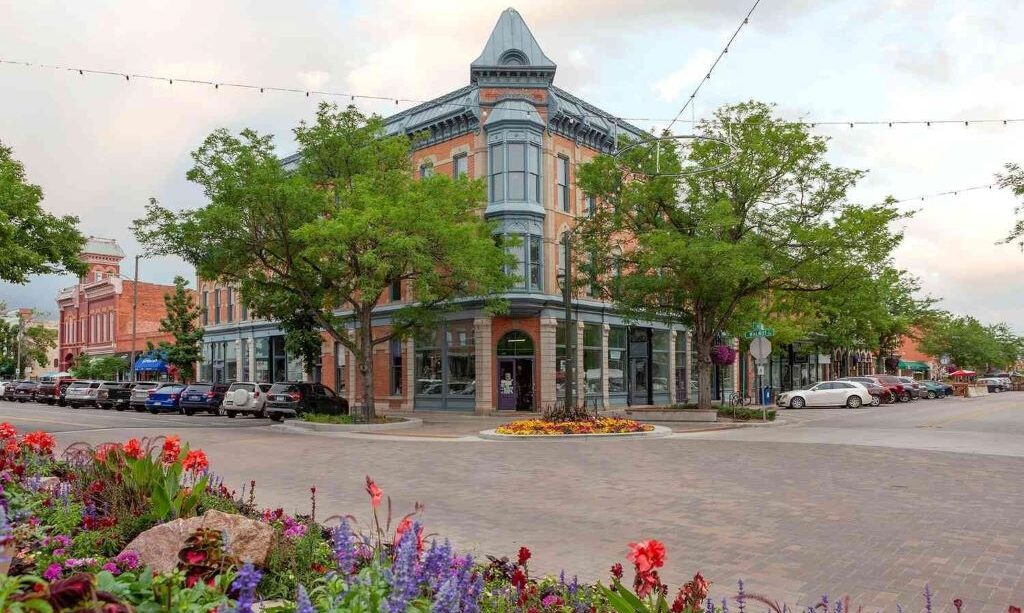
Fort Collins presents a distinct paradigm, masterfully merging urban convenience with a vast array of outdoor activities. Nestled against the foothills of the Rocky Mountains, this vibrant city boasts a network of trails, parks, and natural areas that cater to diverse interests. Horsetooth Reservoir, a large body of water just west of the city, is a haven for boating, fishing, and swimming. The Poudre River Trail, which follows the scenic Cache la Poudre River, offers miles of paved trails for hiking and biking. Furthermore, Fort Collins’ proximity to Rocky Mountain National Park provides easy access to some of Colorado’s most spectacular landscapes. The numerous amount of microbreweries within Fort Collins adds another unique layer of entertainment to outdoor minded patrons.
The Verdict: A Multifaceted Crown
Ultimately, crowning a single “outdoor recreation capital” is a subjective endeavor. Each of these Colorado destinations possesses unique strengths and caters to different outdoor interests. However, when considering the confluence of accessibility, diversity of activities, infrastructure, and overall outdoor culture, Salida begins to shine.
Salida provides access to a large assortment of different outdoor recreation. It is more centrally located in Colorado, giving it access to areas that many of the other cities mentioned do not. The combination of all four seasons worth of out door activities, the town itself, and access to more remote locations puts Salida in an extremely competitive position for being the “Outdoor recreation capital of Colorado.”
While Aspen and Breckenridge offer world-class skiing and luxurious amenities, Salida’s unpretentious charm and emphasis on accessible outdoor adventure resonate deeply with those seeking an authentic Colorado experience. Durango provides an excellent blending of history and recreation, and Fort Collins provides excellent urban recreation access. But Salida manages to blend those traits as well.
The true outdoor recreation capital of Colorado is not a singular entity but rather a collection of vibrant communities that embody the spirit of adventure. Each town and city contributes to the state’s rich tapestry of outdoor experiences, inviting visitors to explore its diverse landscapes and embrace the thrill of the wild.
People Also Ask (FAQs)
-
What is the best time to visit Colorado for outdoor recreation?
- The best time to visit depends on your preferred activities. Summer (June-August) is ideal for hiking, mountain biking, and whitewater rafting, while winter (December-March) offers world-class skiing and snowboarding. Spring and fall offer pleasant temperatures for exploring the outdoors with less crowds.
-
What are some essential items to pack for outdoor adventures in Colorado?
- Essentials include layers of clothing, comfortable hiking shoes, a hat, sunglasses, sunscreen, a water bottle, and a first-aid kit. Depending on the activity, you may also need specialized gear such as hiking poles, a helmet, or a fishing rod.
-
Are there any safety precautions to take when engaging in outdoor recreation in Colorado?
- Yes, it’s crucial to be aware of the potential dangers associated with outdoor activities. Acclimatize to the high altitude, stay hydrated, be prepared for changing weather conditions, and be aware of wildlife. Always inform someone of your plans and carry a map and compass or GPS device.
-
Where can I find information on guided outdoor activities in Colorado?
- Many outdoor outfitters and tour companies operate throughout Colorado, offering guided activities such as whitewater rafting, hiking, and rock climbing. You can find information online or through local visitor centers.
-
What Colorado towns have the best access to hiking?
- Many Colorado towns provide great access to hiking. However, some of the best would include, Estes park, for Rocky Mountain National Park access, Salida and Buena Vista, for access to many 14,000 foot peaks, and Durango for access to the San Juan mountains.
Read More:
A JOURNEY THROUGH TIME: EXPLORING THE RICH HISTORY OF COLORADO SPRINGS