

Colorado, a state renowned for its breathtaking landscapes and outdoor lifestyle, is a haven for pet lovers. From the bustling streets of Denver to the serene mountain trails of Aspen, furry companions are integral members of countless households. However, alongside the joy of pet ownership comes the responsibility of ensuring their safety and well-being, and a crucial aspect of this is understanding and complying with local regulations, particularly concerning pet licensing. The Colorado pet license and why it matters highlights the importance of registering your pet, which not only aids in reunification if they get lost but also supports community efforts to maintain public health and safety.
A Colorado pet license, often referred to as a dog or cat license, is a mandatory registration with your local city or county government. It’s more than just a piece of paper; it’s a vital tool for animal control, public health, and reuniting lost pets with their families. This comprehensive guide will delve into the intricacies of Colorado pet licenses, exploring their purpose, benefits, and the process of obtaining one.
The Foundation of Responsible Pet Ownership: Why Licensing Matters
At its core, pet licensing serves as a fundamental pillar of responsible pet ownership. It’s a proactive measure designed to protect both pets and the community. By requiring pet owners to register their animals, local authorities create a system for tracking and managing the pet population, which is crucial for addressing various issues.
One of the primary purposes of pet licensing is to facilitate the swift return of lost pets. When a licensed pet is found, animal control or a veterinarian can quickly access the owner’s contact information through the license database. This significantly reduces the time pets spend in shelters, minimizes stress for both the animal and the owner, and prevents overcrowding in animal welfare facilities. In a state where outdoor adventures are commonplace, the risk of pets getting lost is heightened, making a visible license tag a lifeline.
Beyond reuniting lost pets, licensing plays a vital role in public health. Rabies, a deadly viral disease, poses a significant threat to both animals and humans. Licensing agencies often require pet owners to provide proof of current rabies vaccination, ensuring pet protection and contributing to overall disease control. This is particularly important in areas where wildlife interactions are frequent, as wild animals are potential carriers of rabies.
Moreover, licensing fees contribute to funding animal control and welfare services. These funds support animal shelters, rescue organizations, and programs that promote responsible pet ownership, such as spaying and neutering initiatives. By paying licensing fees, pet owners directly contribute to the well-being of animals in their community.
Navigating the Specifics: County and City Variations
While the general concept of pet licensing applies across Colorado, the specific requirements, fees, and procedures can vary significantly between counties and cities. It’s crucial to understand the regulations specific to your jurisdiction.
For instance, Denver County has its own set of rules and fees, as does Boulder County or El Paso County. Each jurisdiction may have different age requirements for licensing, varying fees based on whether the pet is spayed or neutered, and specific deadlines for obtaining or renewing licenses. Some counties may offer discounts for senior citizens or individuals with disabilities.
Furthermore, some municipalities may have additional regulations, such as mandatory microchipping or leash laws. Familiarizing yourself with your local ordinances is essential to ensure compliance and avoid potential fines.
The Process of Obtaining a Colorado Pet License: A Step-by-Step Guide
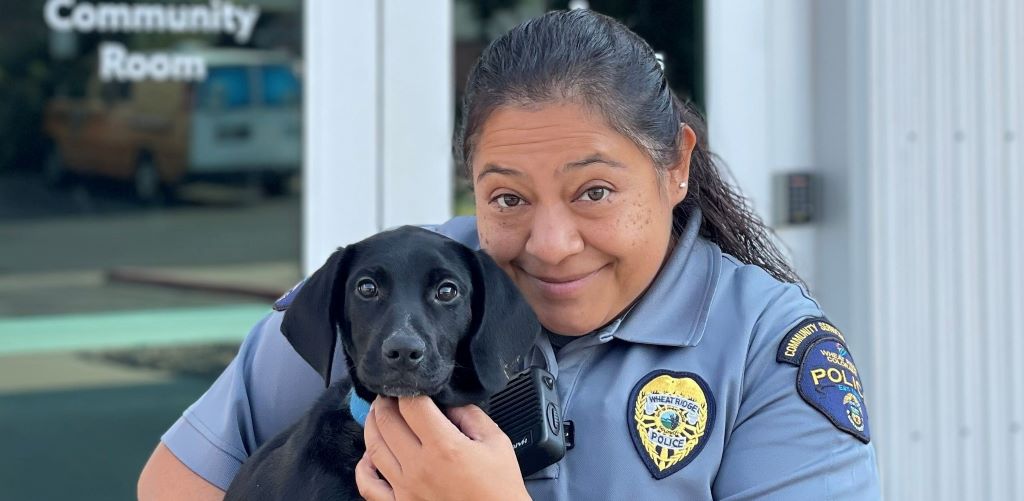
Obtaining a Colorado pet license is typically a straightforward process. Here’s a general outline of the steps involved:
- Identify Your Local Licensing Authority: Determine the city or county government responsible for pet licensing in your area. This information is usually available on your local government’s website or by contacting your local animal control or shelter.
- Gather Required Documentation: Prepare the necessary documentation, which typically includes proof of rabies vaccination, proof of spaying or neutering (if applicable), and your contact information.
- Complete the Application: Fill out the pet license application form, which may be available online or at your local animal control or shelter.
- Pay the Licensing Fee: Submit the required licensing fee, which can usually be paid online, by mail, or in person.
- Receive Your Pet License and Tag: Once your application is processed, you will receive your pet license and a tag that should be attached to your pet’s collar.
Many jurisdictions offer online licensing options, making the process more convenient. However, if you prefer to apply in person, you can typically visit your local animal control or shelter.
The Benefits of Compliance: Ensuring Your Pet’s Safety and Well-being
Complying with pet licensing regulations offers numerous benefits for both pets and their owners.
- Increased Chance of Reuniting with Lost Pets: A visible license tag significantly increases the likelihood of your pet being returned to you if they get lost.
- Protection Against Rabies: Licensing often requires proof of rabies vaccination, protecting your pet and contributing to the control of this deadly disease.
- Support for Animal Welfare Services: Licensing fees fund animal shelters, rescue organizations, and programs that promote responsible pet ownership.
- Avoidance of Fines and Penalties: Failure to comply with licensing regulations can result in fines and other penalties.
- Peace of Mind: Knowing that your pet is licensed and protected provides peace of mind and reduces stress.
How Sue, Franchise Owner in Boulder, Colorado, Describes Camp Bow Wow Culture
Addressing Common Concerns: FAQs About Colorado Pet Licenses
To further clarify any lingering questions, here are some frequently asked questions about Colorado pet licenses:
Q: Is pet licensing mandatory in Colorado?
A: Yes, pet licensing is mandatory in most cities and counties in Colorado. However, the specific requirements and enforcement may vary. It is crucial to check local ordinances.
Q: How much does a pet license cost in Colorado?
A: The cost of a pet license varies depending on the jurisdiction, whether the pet is spayed or neutered, and other factors. Fees can range from $10 to $50 or more.
Q: How often do I need to renew my pet license?
A: Pet licenses typically need to be renewed annually or every few years, depending on the jurisdiction.
Q: What documents are required to obtain a pet license?
A: Typically, you will need proof of rabies vaccination and proof of spaying or neutering (if applicable).
Q: What happens if I don’t license my pet?
A: Failure to license your pet can result in fines and other penalties. In some cases, your pet may be impounded.
Q: Are there any exemptions for pet licensing?
A: Some jurisdictions may offer exemptions for service animals or other specific cases. Check with your local licensing authority for details.
Q: Can I get a pet license online?
A: Many jurisdictions offer online pet licensing options, making the process more convenient.
Q: What should I do if my pet’s license tag is lost or damaged?
A: Contact your local licensing authority to obtain a replacement tag.
Q: Does a pet license replace a microchip?
A: No, a pet license and a microchip serve different purposes. A license tag is visible and provides immediate identification, while a microchip is a permanent form of identification implanted under the pet’s skin. Both are important for ensuring your pet’s safety.
Q: What if I move to a different city or county in Colorado?
A: You will need to obtain a new pet license in your new jurisdiction.
Q: Are there any discounts for pet licenses?
A: Some jurisdictions offer discounts for senior citizens, individuals with disabilities, or pets that are spayed or neutered.
Q: What if I only have an indoor cat?
A: Most jurisdictions require all cats and dogs to be licensed, regardless of whether they are kept indoors or outdoors.
Q: How do I find out the specific pet license laws for my area?
A: You can check your local city or county government website or contact your local animal control or shelter.
Conclusion: Embracing Responsible Pet Ownership in Colorado
In the vast and beautiful landscape of Colorado, pets are cherished members of the community. Understanding and complying with pet licensing regulations is a fundamental aspect of responsible pet ownership. By obtaining a pet license, you contribute to the safety and well-being of your pet and the community as a whole. Familiarize yourself with the specific requirements in your jurisdiction and take the necessary steps to properly license your furry companion. By doing so, you’re not only fulfilling a legal obligation but also embracing the spirit of responsible pet ownership that makes Colorado a haven for animal lovers.
Read More:
POST-WILDFIRE ASH PET RESPIRATORY CARE: PROTECTING YOUR FURRY FRIENDS IN COLORADO SPRINGS
FINDING THE BEST HOME INTERNET IN COLORADO SPRINGS: YOUR ULTIMATE GUIDE