

Introduction: Why Post-Wildfire Ash Is a Silent Threat to Pets
Wildfires have become an increasingly common occurrence in Colorado Springs, leaving behind more than just charred landscapes. The aftermath includes fine ash particles that linger in the air and settle on surfaces, posing significant risks to both humans and animals. Post-wildfire ash pet respiratory care is crucial, as pets often remain overlooked despite being equally vulnerable, even though much attention is given to human health.
According to the American Veterinary Medical Association (AVMA), wildfire smoke and ash contain harmful substances like carbon monoxide, particulate matter, and volatile organic compounds (VOCs). These pollutants can penetrate deep into the lungs of our furry companions, leading to respiratory distress or chronic conditions if not addressed promptly.
In this comprehensive guide, we’ll explore everything you need to know about Post-Wildfire Ash Pet Respiratory Care , offering actionable advice, scientific insights, and real-world solutions tailored specifically for Colorado Springs residents. Let’s dive in!
Understanding Wildfire Ash: What It Contains and Why It Matters
Composition of Wildfire Ash
Wildfire ash isn’t just dust—it’s a toxic cocktail of burnt vegetation, synthetic materials, heavy metals, and other hazardous elements. A study published in Environmental Science & Technology highlights that these microscopic particles are small enough to infiltrate even the tiniest airways in pets’ respiratory systems.
For instance, silica—a primary component of ash—can cause silicosis, a lung disease characterized by inflammation and scarring. Similarly, VOCs released during combustion may lead to oxidative stress, weakening your pet’s immune defenses over time.
How Pets Are Exposed
Unlike humans who can wear masks or avoid outdoor activities, pets rely heavily on their sense of smell and curiosity. Dogs sniffing around contaminated areas or cats grooming themselves after stepping through ash-covered ground are prime examples of exposure pathways. Birds, especially those kept indoors near open windows, are also at risk due to their highly sensitive respiratory tracts.
Recognizing Symptoms of Respiratory Issues in Pets
Early Warning Signs
Early detection is key to preventing long-term damage. Watch out for symptoms such as:
- Persistent coughing or wheezing
- Labored breathing or rapid panting
- Nasal discharge or sneezing
- Lethargy or reluctance to engage in physical activity
A survey conducted by the University of California Davis School of Veterinary Medicine found that 40% of dogs exposed to wildfire smoke exhibited mild to moderate respiratory issues within days. Cats, on the other hand, tend to hide symptoms until the condition worsens, making vigilance crucial.
When to Consult a Vet
If your pet shows any signs of respiratory distress, don’t wait it out. Immediate veterinary intervention could mean the difference between recovery and irreversible harm. Blood tests, chest X-rays, and oxygen therapy might be recommended depending on the severity of the case.
Practical Steps for Post-Wildfire Ash Pet Respiratory Care
Indoor Air Quality Management
Your home should serve as a safe haven for your pets. Here’s how you can improve indoor air quality:
- Invest in HEPA Filters : High-Efficiency Particulate Air (HEPA) filters trap up to 99.97% of airborne particles, including wildfire ash. Brands like Dyson and Honeywell offer excellent options suitable for homes with pets.
- Seal Windows and Doors : Use weather stripping or draft stoppers to prevent ash from entering your living space.
- Humidifiers : Adding moisture to the air helps reduce irritation caused by dry ash particles. Opt for models designed for pet-friendly environments.
Outdoor Precautions
Limiting outdoor exposure is essential during and immediately after a wildfire event. Consider the following measures:
- Keep pets indoors as much as possible.
- Wipe down their paws and fur with damp cloths upon returning inside.
- Avoid walking them near recently burned areas where ash concentration is highest.
Dietary Support
Nutrition plays a vital role in boosting your pet’s immunity against environmental toxins. Omega-3 fatty acids, antioxidants, and probiotics can strengthen respiratory function and overall health. Consult your vet before introducing supplements to ensure they align with your pet’s dietary needs.
Expert Opinions and Scientific Insights
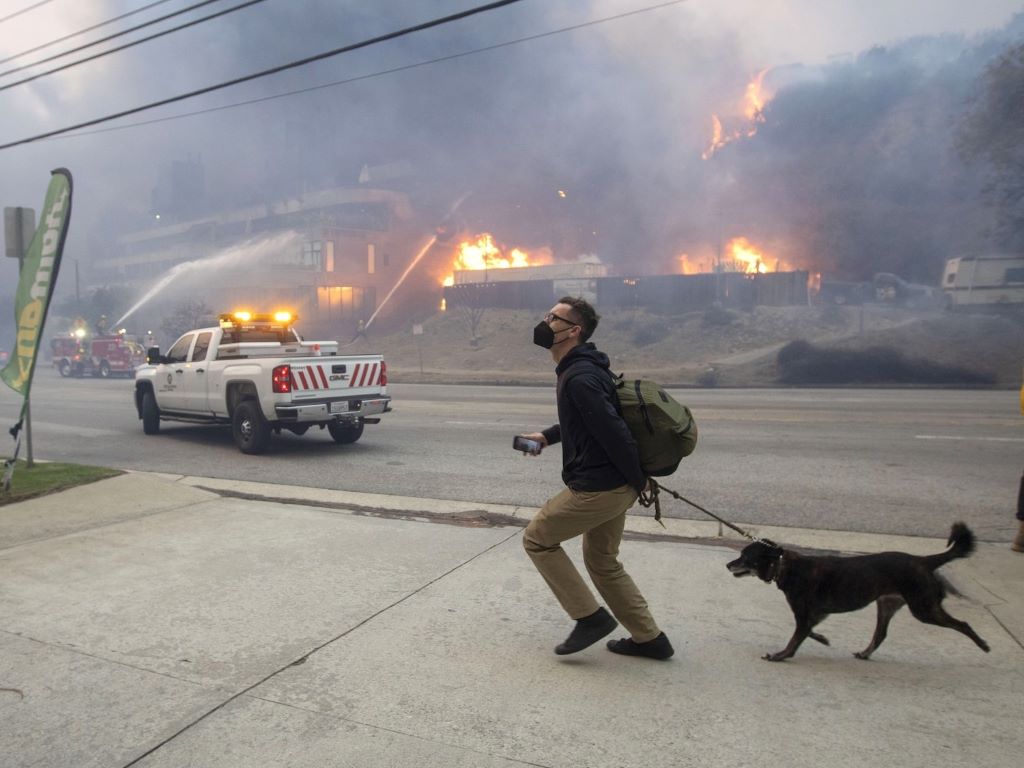
Dr. Sarah Thompson, a veterinarian specializing in environmental medicine, emphasizes the importance of proactive care. “Pets are naturally curious creatures, but this curiosity makes them susceptible to hazards like wildfire ash,” she explains. “Owners must take preemptive steps to minimize exposure while remaining vigilant for signs of illness.”
Research published in Frontiers in Veterinary Science supports Dr. Thompson’s stance, noting that prolonged exposure to wildfire pollutants correlates with increased incidences of bronchitis and asthma-like symptoms in domestic animals.
On the flip side, some critics argue that the risks posed by wildfire ash are overstated compared to other environmental factors. However, statistics paint a different picture. For example, the 2020 Cameron Peak Fire affected thousands of households in Colorado, resulting in a spike in veterinary visits related to respiratory complaints.
Real-Life Stories: Lessons Learned from Colorado Springs Residents
Take the story of Lisa Martinez, a local resident whose Golden Retriever developed severe coughing fits after the Waldo Canyon Fire. “I didn’t realize how dangerous the ash was until my vet explained it,” she recalls. “Switching to filtered air and keeping Max indoors made all the difference.”
Such anecdotes underscore the importance of community awareness and education. Sharing experiences like Lisa’s can inspire others to prioritize their pets’ well-being amidst challenging circumstances.
How Sue, Franchise Owner in Boulder, Colorado, Describes Camp Bow Wow Culture
FAQs About Post-Wildfire Ash Pet Respiratory Care
- How long does wildfire ash remain hazardous?
Depending on wind patterns and cleanup efforts, ash can persist for weeks or months. - Can birds be affected by wildfire ash?
Yes, birds are particularly vulnerable due to their delicate respiratory systems. - Are certain breeds more prone to respiratory issues?
Brachycephalic breeds like Bulldogs and Pugs face higher risks due to pre-existing breathing difficulties. - Should I bathe my pet frequently after a wildfire?
Over-bathing can strip natural oils from their skin; instead, use damp cloths for spot cleaning. - What plants are safe to grow post-wildfire?
Native species like Rocky Mountain Juniper help purify the air without attracting additional pollutants. - Do masks work for pets?
Specialized canine masks exist but aren’t practical for extended use. Focus on reducing exposure instead. - Can wildfire ash affect pregnant pets?
Yes, prolonged exposure may impact fetal development. Consult your vet for guidance. - Is there a vaccine for respiratory illnesses caused by ash?
No specific vaccines target ash-related ailments, but routine vaccinations support general immunity. - How do I clean ash off my furniture safely?
Use microfiber cloths and non-toxic cleaners to avoid spreading particles further. - Where can I find resources for pet owners in Colorado Springs?
Local shelters and veterinary clinics often provide free guides and workshops on disaster preparedness.
Conclusion: Empowering Pet Owners Through Knowledge
Caring for your pets’ respiratory health in the wake of a wildfire requires diligence, compassion, and informed decision-making. By understanding the dangers of wildfire ash and implementing preventive strategies, you can ensure your furry family members thrive even in challenging times.
Remember, every step you take—from investing in air filtration systems to monitoring behavioral changes—counts toward creating a safer environment. Together, let’s protect what matters most: the unconditional love and companionship our pets bring into our lives.
Final Thoughts
This article aimed to equip Colorado Springs pet owners with the tools and knowledge needed to navigate the complexities of Post-Wildfire Ash Pet Respiratory Care . Whether you’re dealing with immediate concerns or planning for future events, remember that preparation saves lives. Stay informed, stay proactive, and cherish every moment with your beloved companions.
Read More:
COLORADO’S ICONIC CUISINE: GREEN CHILI TO ROCKY MOUNTAIN OYSTERS